Key takeaways
- Weave density, not fabric name: “Pet-friendly” is marketing; a tight, low-pile weave is engineering. Chenille and corduroy both perform well because their fibers are short and anchored, so claws glide instead of catching. Avoid open loops and slubby textures that snag on a single stretch.
- Removable, washable covers: Dander is the variable that quietly degrades sleep quality for allergy-prone sleepers, and vacuuming only reaches the surface. Zip-off covers you can launder monthly do more for nighttime breathing than any air purifier placed across the room.
- Cushion recovery over initial softness: Press a seat and count how fast it rebounds. High-resilience foam or layered foam-over-fiber holds its shape under a 70-pound dog who lies in the same spot nightly; low-density fill develops a permanent trough within months and ruins spinal alignment for anyone napping there.
- Seat depth of 38 inches or more: A true nap requires room to lie on your side with knees bent. Deep-seat sectionals let a person and a pet occupy the same cushion without either compromising position — the single biggest predictor of whether a couch gets used for rest.
- Modularity and floor clearance: Modules you can separate make it possible to clean underneath, rotate wear, and reconfigure around a pet bed. Low or fully grounded bases also eliminate the dark undercarriage where fur and allergens accumulate unseen.
What's inside
A sofa is the second most-used sleep surface in most homes — and the least considered. Between evening wind-down, weekend naps, and the guest who stays an extra night, the average couch logs more restorative hours than people realize. Add a dog who claims the deep corner or a cat who kneads the armrest at 5 a.m., and the furniture stops being decor and starts being sleep equipment. The trouble is that most “durable” sofas solve for scratch resistance by getting harder, flatter, and less pleasant to lie on, while the plush ones surrender to fur, dander, and claw snags within a season.
This guide approaches pet-friendly seating the way I’d approach a mattress: by looking at surface hygiene, cushion recovery, and whether the piece can actually support a horizontal body for more than twenty minutes. Below are the 2026 picks I’d recommend to a household that shares its furniture with animals, plus the specifications that separate a sofa that naps well from one that only photographs well.
As an Amazon Associate we earn from qualifying purchases.




How to Choose a Pet-Friendly Sofa (2026)
- Weave density, not fabric name: “Pet-friendly” is marketing; a tight, low-pile weave is engineering. Chenille and corduroy both perform well because their fibers are short and anchored, so claws glide instead of catching. Avoid open loops and slubby textures that snag on a single stretch.
- Removable, washable covers: Dander is the variable that quietly degrades sleep quality for allergy-prone sleepers, and vacuuming only reaches the surface. Zip-off covers you can launder monthly do more for nighttime breathing than any air purifier placed across the room.
- Cushion recovery over initial softness: Press a seat and count how fast it rebounds. High-resilience foam or layered foam-over-fiber holds its shape under a 70-pound dog who lies in the same spot nightly; low-density fill develops a permanent trough within months and ruins spinal alignment for anyone napping there.
- Seat depth of 38 inches or more: A true nap requires room to lie on your side with knees bent. Deep-seat sectionals let a person and a pet occupy the same cushion without either compromising position — the single biggest predictor of whether a couch gets used for rest.
- Modularity and floor clearance: Modules you can separate make it possible to clean underneath, rotate wear, and reconfigure around a pet bed. Low or fully grounded bases also eliminate the dark undercarriage where fur and allergens accumulate unseen.
The Best Pet-Friendly Sofas (2026), Reviewed
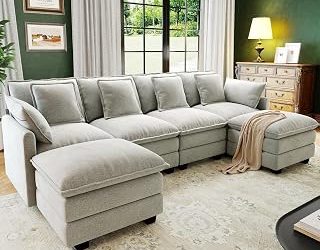
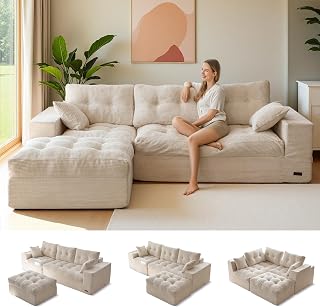
107″ Cloud Couch U-Shaped Sectional
The U-shape gives every household member a dedicated lane, which sounds trivial until you’ve been displaced by a retriever mid-nap. Six removable, washable pillows and two ottomans mean the surfaces most likely to collect dander are the ones you can throw in a machine, and the four-seat deep configuration lies flat enough to function as an overflow sleeping area.
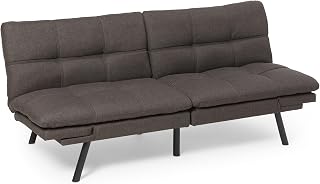
78.8″ Corduroy Convertible Futon Sofa Bed
The strongest small-space option here, and the only one designed from the outset to convert into a proper sleep surface. Corduroy’s fine wale resists claw pull better than most plush fabrics, and the boneless construction means no internal frame edge to press against a shoulder when you’re actually lying down.
MAXYOYO 96″ L-Shaped Boneless Couch
Layered cushioning is the detail worth paying attention to: a firmer support core under a softer comfort layer, which is the same architecture used in quality mattresses and the reason this one doesn’t bottom out under concentrated pet weight. Flexible modules and no-assembly delivery make it unusually easy to break down for deep cleaning.
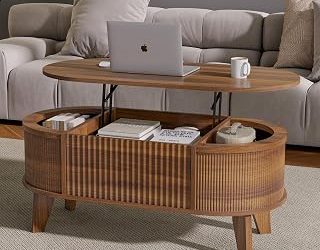
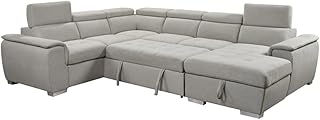
101″ Convertible Sectional with Ottoman Coffee Table
Linen-look upholstery gives this a more formal presence than the boneless designs while the convertible layout still opens into a genuine lounging platform. The integrated storage pocket is a small but practical feature — a place for the throw blanket that catches most of the fur.
102.6″ Chenille Modular Sectional
My pick for households with heavy shedders. Machine-washable chenille covers, a reversible chaise you can flip to redistribute wear, and a storage ottoman that swallows pet bedding make this the most maintainable sofa on the list over a multi-year horizon.
Frequently Asked Questions
Is chenille or corduroy better with pets?
Both resist snagging, but they behave differently. Chenille’s dense pile hides fur between washes and takes a lint roller well; corduroy’s ribbed channels release hair more readily but show it more visibly in the meantime. Choose chenille if you clean weekly, corduroy if you’d rather see what needs attention.
Does letting a pet sleep on the sofa affect my sleep quality?
For most people, no — and many report faster sleep onset with an animal nearby. The measurable risk is allergen exposure, not the animal itself. A washable cover laundered every three to four weeks keeps dander well below the threshold that triggers congestion and fragmented breathing.
Are boneless or “cloud” sofas durable enough for dogs?
Yes, and often more so than framed sofas. Without rigid internal structures, there are no hard edges for claws to catch or joints to loosen. The failure mode to watch for is foam compression, which is why cushion density matters more than any other spec.
What if I need something smaller?
An 84-inch chenille three-seater with a movable ottoman covers most apartments — it delivers the same washable-fabric advantages in a footprint that still permits a full-length nap when the ottoman is repositioned.
Final Thoughts
If your priority is long-term maintainability with a shedding dog or cat, the 102.6″ chenille modular sectional is the most sensible investment on this list — washable covers, a reversible chaise, and real storage. For households that need the sofa to double as a guest bed, the 78.8″ convertible futon delivers a legitimate sleep surface without the frame edges that ruin most sleepers. And if space allows, the 107″ cloud couch sectional remains the best option for a household where the humans and the animals genuinely intend to rest in the same room.