Key takeaways
- Dry time over raw power: Damp carpet raises local humidity, and dust mites thrive above roughly 50% relative humidity. Prioritize strong suction passes and heated airflow so a bedroom is genuinely dry before lights out.
- Extraction beats application: Any machine can push solution into fibers. The allergen and residue actually leave your home during the recovery stroke, so weigh suction and dirty-tank design more heavily than spray pressure.
- Self-flushing hoses and tank hygiene: Stagnant solution left in an internal hose sours within days and reintroduces odor on the next use. Features like HydroRinse or a self-clean cycle are hygiene tools, not marketing extras.
- Formula chemistry and fragrance load: Enzymatic and oxygenated formulas break down urine and organic soil at the source. If anyone in the house has reactive airways, rinse thoroughly and ventilate rather than choosing the strongest scent.
- Footprint, weight, and noise: A compact portable handles the 2 a.m. accident without waking the household; a full upright is for the seasonal reset. Schedule loud, wet work for midday so the room has hours to recover.
What's inside
Most sleep advice stops at mattress firmness, room temperature, and screen curfews. The floor rarely comes up — yet carpet is the largest textile surface in a typical bedroom, and it behaves like a filter nobody ever changes. Shed skin cells feed dust mites, pet dander works into the pile, and one unnoticed spill can quietly ferment under the fibers for months. If you wake congested, spend the first hour of the day clearing your throat, or catch a faint sourness when the heating kicks on, the carpet deserves suspicion before the pillow does.
This roundup evaluates at-home carpet cleaners through a sleep-wellness lens rather than a pure stain-removal one. In a bedroom, what matters is how much water the machine leaves behind, how fast the pile returns to dry, whether the internal hose can be flushed so it doesn’t become a bacterial reservoir, and whether the formula genuinely neutralizes odor instead of layering perfume over it. Below are six well-supported picks for 2026 — from grab-and-go spot cleaners to full-size uprights — along with a short framework for choosing between them.
As an Amazon Associate we earn from qualifying purchases.



How to Choose a Carpet Cleaner At Home (2026)
- Dry time over raw power: Damp carpet raises local humidity, and dust mites thrive above roughly 50% relative humidity. Prioritize strong suction passes and heated airflow so a bedroom is genuinely dry before lights out.
- Extraction beats application: Any machine can push solution into fibers. The allergen and residue actually leave your home during the recovery stroke, so weigh suction and dirty-tank design more heavily than spray pressure.
- Self-flushing hoses and tank hygiene: Stagnant solution left in an internal hose sours within days and reintroduces odor on the next use. Features like HydroRinse or a self-clean cycle are hygiene tools, not marketing extras.
- Formula chemistry and fragrance load: Enzymatic and oxygenated formulas break down urine and organic soil at the source. If anyone in the house has reactive airways, rinse thoroughly and ventilate rather than choosing the strongest scent.
- Footprint, weight, and noise: A compact portable handles the 2 a.m. accident without waking the household; a full upright is for the seasonal reset. Schedule loud, wet work for midday so the room has hours to recover.
The Best Carpet Cleaners At Home (2026) Reviewed
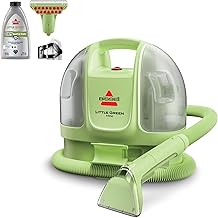
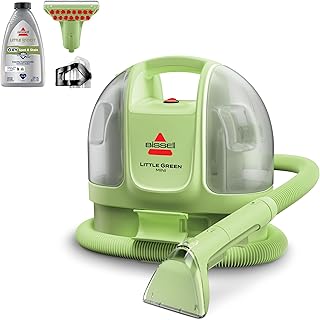
BISSELL Little Green Mini (4075)
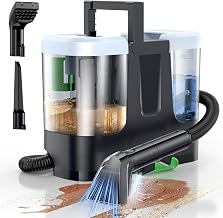
The most practical bedside insurance policy on this list: light enough to carry one-handed, and the HydroRinse tool flushes the hose so yesterday’s spill doesn’t announce itself today. Ideal for nightstand spills, pet accidents beside the bed, and car detailing between deep cleans.
Shark StainStriker PX221
The pairing of a Deep Clean Pro formula with an OXY option makes this a strong choice for odor sources rather than surface marks, which is exactly what matters in a sleeping space. The 3.5-inch and crevice tools reach the baseboard gap where dust and dander quietly accumulate.
Hoover PowerScrub Deluxe
SpinScrub brushes agitate deep into the pile, and HeatForce drying meaningfully shortens the window in which a bedroom sits damp — the single most important variable for anyone cleaning in the evening. The pet and upholstery tools extend it to headboards, chairs, and stair runners.
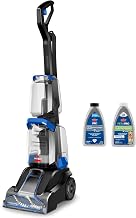
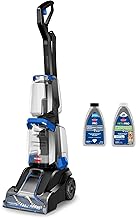
BISSELL TurboClean Upright (3952)
A sensible middle ground for whole-room work: lighter than most uprights, with an included Oxy Urine Eliminator that targets the ammonia compounds behind lingering pet odor. Best used as a twice-yearly reset for bedrooms rather than a spot-treatment tool.
Hoover PowerDash Pet
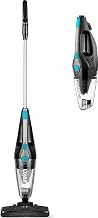
Compact and genuinely manageable on stairs and in tight bedrooms, which means it actually gets used — the underrated variable in any cleaning routine. Pair it with a Hoover solution and treat it as your maintenance machine between deeper extractions.
Frequently Asked Questions
How long should carpet dry before I sleep in the room?
Plan on four to six hours minimum, longer in humid conditions or dense pile. Clean in the morning, open a window, and run a fan across the floor; models with heated drying shorten this considerably.
Does cleaning carpet actually reduce allergens?
Hot-water extraction removes the skin flakes and organic debris that dust mites feed on, along with settled dander. It works best as part of a routine that includes weekly vacuuming and hot-washing bedding.
Portable spot cleaner or full upright for a bedroom?
Most households benefit from both. A portable handles accidents within minutes, before they set; an upright resets the whole floor once or twice a year.
Can I use these on a mattress?
Cautiously, and only with the upholstery tool and minimal moisture — mattresses hold water and dry slowly. Check the manufacturer’s guidance first; headboards, rugs, and chairs are safer targets.
Final Thoughts
For most bedrooms, the BISSELL Little Green Mini is the piece worth owning first — it stops spills from becoming odors. If you want a proper seasonal deep clean, the Hoover PowerScrub Deluxe earns its place on drying speed alone, while the BISSELL TurboClean is the smarter buy for pet households prioritizing odor elimination over gadgetry.