Key takeaways
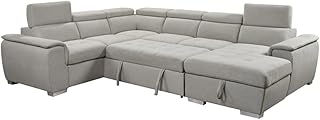
- Head and neck articulation: Prioritize adjustable power headrests over fixed backs. A headrest that tilts independently keeps your cervical spine neutral and your airway open; a fixed high back pushes the head forward into flexion, which is the single most common cause of sofa-induced snoring and next-day neck stiffness.
- Leg elevation and the zero-gravity angle: Look for footrests that bring the knees to or slightly above heart level. This posture reduces lumbar disc pressure and supports venous return, which is why it’s frequently recommended for people with swelling, restless legs, or long standing shifts.
- Surface thermoregulation: Sleep onset depends on your core temperature dropping. Genuine leather breathes and sheds heat far better than vinyl or thick faux leather; corduroy and woven fabrics sit in the middle. If you sleep hot, avoid bonded PU on the seat deck.
- Motor noise and motion isolation: Test or research decibel levels on power mechanisms. Independent seat controls also matter — if one person adjusts while another is dozing, the transmitted motion shouldn’t propagate across the frame.
- Charging port placement: USB and Type-C ports are convenient, but a port at head height invites phone use in a reclined position, and blue-light exposure in the 90 minutes before bed delays melatonin release. Choose models with ports in the console or arm rather than the headrest.
What's inside
Most people shop for a reclining sofa the way they shop for a coffee table — by looks, footprint, and price. But a recliner couch is the only piece of furniture in your home besides the mattress where you will regularly lose consciousness. The average American logs somewhere between three and six hours a week of unplanned sofa sleep, and the position your body holds during those hours matters more than the upholstery color. A couch that lets your chin collapse toward your chest narrows the upper airway and amplifies snoring. One that leaves your calves dangling does nothing for the venous return that makes an afternoon nap feel genuinely restorative.
This guide evaluates the 2026 crop of reclining sofas through a sleep-physiology lens: head and neck articulation, leg elevation angle, thermoregulation of the seating surface, motor noise, and how each design handles the transition between sitting, reclining, and actual sleep. I’ve focused on power and manual models that hold a stable posture over 60 to 90 minutes rather than slumping — because a recliner that sags mid-nap produces micro-arousals you’ll never remember but will absolutely feel the next morning.
As an Amazon Associate we earn from qualifying purchases.


How to Choose a Recliner Couch in 2026
- Head and neck articulation: Prioritize adjustable power headrests over fixed backs. A headrest that tilts independently keeps your cervical spine neutral and your airway open; a fixed high back pushes the head forward into flexion, which is the single most common cause of sofa-induced snoring and next-day neck stiffness.
- Leg elevation and the zero-gravity angle: Look for footrests that bring the knees to or slightly above heart level. This posture reduces lumbar disc pressure and supports venous return, which is why it’s frequently recommended for people with swelling, restless legs, or long standing shifts.
- Surface thermoregulation: Sleep onset depends on your core temperature dropping. Genuine leather breathes and sheds heat far better than vinyl or thick faux leather; corduroy and woven fabrics sit in the middle. If you sleep hot, avoid bonded PU on the seat deck.
- Motor noise and motion isolation: Test or research decibel levels on power mechanisms. Independent seat controls also matter — if one person adjusts while another is dozing, the transmitted motion shouldn’t propagate across the frame.
- Charging port placement: USB and Type-C ports are convenient, but a port at head height invites phone use in a reclined position, and blue-light exposure in the 90 minutes before bed delays melatonin release. Choose models with ports in the console or arm rather than the headrest.
The Best Recliner Couches (2026) Reviewed
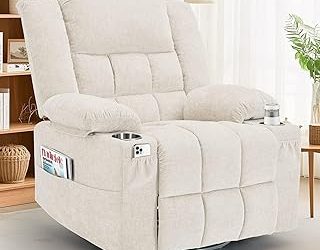
Genuine Leather Power Recliner Sofa (3-Seater)
Real top-grain leather makes this the strongest performer for heat dissipation, which translates directly into easier sleep onset for warm sleepers. The hidden cup holders keep the arm surface flat and uncluttered, so there’s no hard edge digging into your shoulder if you drift off sideways.
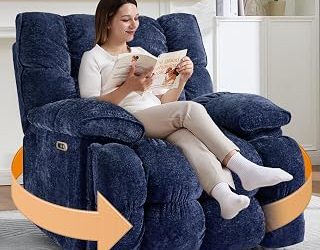
Watson & Whitely Wall Hugger Power Reclining Sofa, Navy
My top overall recommendation on posture: the adjustable power headrests let you fine-tune cervical support independently of the backrest angle, which is the difference between a nap that clears sleep pressure and one that leaves you groggy. The wall-hugger mechanism also means you get a full recline in rooms with only a few inches of clearance.
Recliner Sofa Set with Heat & Massage
The lumbar heat function is genuinely useful for sleep, not just a gimmick — peripheral warming triggers distal vasodilation, which accelerates the core temperature drop that precedes sleep onset. Use the heat for 15 to 20 minutes and switch it off before you settle in, rather than running it continuously.
Power Recliner Sofa Set, Corduroy & Leather, 3-Piece
The corduroy seating surface is more breathable than the faux leather used on most sets in this price bracket, and the three-piece configuration lets each person recline to their own preferred angle without disturbing anyone else. A sensible pick for households where one partner naps and the other doesn’t.
FURNIMAT 4-Seater Dual Reclining Sofa with Flip-Back Console
The extra width is the real sleep advantage here: with the center console flipped back, there’s enough length for a genuine lie-down rather than a compressed semi-recline. Note that the PU leather runs warm, so it suits cooler rooms better than sun-facing living spaces.
Frequently Asked Questions
Is it bad to sleep in a recliner every night?
For most people, occasional recliner sleep is harmless, but habitual all-night reclined sleep can restrict hip and knee extension and increase the risk of blood pooling in the lower legs. That said, physicians sometimes recommend reclined sleep for reflux, post-surgical recovery, or certain respiratory conditions — follow clinical advice over general guidance.
What recline angle is best for snoring or reflux?
Roughly 30 to 45 degrees of torso elevation is the range most often cited for reducing nocturnal reflux, and mild elevation also helps keep the tongue from falling back into the airway. Crucially, the head must stay in line with the torso — propping the head alone makes airway obstruction worse.
How long should a recliner nap be?
Twenty to thirty minutes clears accumulated sleep pressure without dropping you into deep slow-wave sleep, so you wake alert. If you need longer, go for a full 90-minute cycle. The 45-to-70-minute window is the one to avoid — that’s where grogginess lives.
Do heat and massage features actually improve sleep?
Warming has reasonable evidence behind it as a sleep-onset aid when applied before sleep rather than during. Massage is more about subjective relaxation than measurable sleep architecture, though reduced muscle tension is a legitimate benefit if tension is what’s keeping you awake.
Final Thoughts
If sleep quality is your priority, the Watson & Whitely wall hugger earns the top spot on the strength of its independently adjustable power headrests and small-room footprint. Hot sleepers should look hard at the Genuine Leather Power Recliner Sofa for its breathability, while anyone who wants room to fully stretch out will get the most usable sleep surface from the FURNIMAT 4-Seater with its flip-back console.