Key takeaways
- Thermal response: Chrome-tanned full hides pull heat from the skin on contact, then stabilize. Coated PU holds warmth longer and traps perspiration, which matters if the couch sees regular sleep rather than short sitting sessions.
- Grain and finish: A visible natural grain scatters lamplight and gives skin something to register besides slickness. Heavily glossed surfaces feel cold and squeaky, and they reflect evening light in a way that keeps eyes alert.
- Coverage math: A standard three-seat sofa needs roughly 60–80 square feet including waste. Hides are sold by square footage with irregular edges, so budget 15–20% overage; yardage is uniform and easier to plan around.
- Off-gassing: Any new upholstery releases something. Synthetics generally have a stronger initial solvent smell, so unroll new material and air it in a ventilated space for several days before it enters a room used for rest.
- Weight and thickness: Look for 3–5 oz (1.1–2.0 mm) for seating. Thinner stock creases along body pressure lines; heavier stock resists sagging but fights your machine on tight corners.
What's inside
Sofas do more sleeping than most people admit. Evening naps, a feverish kid parked in front of a movie, the third-trimester stretch when the bed stops working, the guest who insists the couch is fine — a living-room seat quietly doubles as a second mattress. Yet upholstery gets chosen on color swatches alone, and the material touching your skin for those hours has a measurable effect on how fast your body temperature drops, how still you lie, and whether you wake up refreshed or clammy.
As a sleep-wellness practitioner who spends a lot of time auditing bedrooms and, increasingly, living rooms, I evaluate leather differently than a furniture catalog does. The criteria below are thermal behavior, breathability, surface texture at skin contact, initial odor, and how the material ages under repeated body pressure. Below you’ll find hides and yardage suited to reupholstering a sofa, patching a worn armrest, or building a nap-friendly piece from the frame up.
As an Amazon Associate we earn from qualifying purchases.




How to Choose a Leather For Sofa (2026)
- Thermal response: Chrome-tanned full hides pull heat from the skin on contact, then stabilize. Coated PU holds warmth longer and traps perspiration, which matters if the couch sees regular sleep rather than short sitting sessions.
- Grain and finish: A visible natural grain scatters lamplight and gives skin something to register besides slickness. Heavily glossed surfaces feel cold and squeaky, and they reflect evening light in a way that keeps eyes alert.
- Coverage math: A standard three-seat sofa needs roughly 60–80 square feet including waste. Hides are sold by square footage with irregular edges, so budget 15–20% overage; yardage is uniform and easier to plan around.
- Off-gassing: Any new upholstery releases something. Synthetics generally have a stronger initial solvent smell, so unroll new material and air it in a ventilated space for several days before it enters a room used for rest.
- Weight and thickness: Look for 3–5 oz (1.1–2.0 mm) for seating. Thinner stock creases along body pressure lines; heavier stock resists sagging but fights your machine on tight corners.
The Best Leather For Sofa (2026)s Reviewed
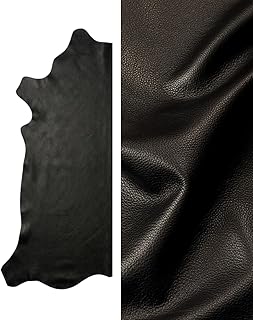
Premium Genuine Natural Grain Cowhide Hides (Black, 20 sq ft)
A full side with intact natural grain, which is exactly what you want at skin contact — subtle irregularity reads as comfortable rather than plasticky. Twenty square feet won’t clad an entire sofa, so order multiple sides from the same batch to keep tone consistent.
Weekender Two-Tone Cognac Full Hide (40–44 sq ft)
The most practical single purchase here for a whole-sofa project: a soft chap-weight hide large enough to yield full cushion panels without seaming across the seat. The two-tone finish develops a warm patina where your shoulders and hips land most often.
Wento Thick Faux Leather, Camel Tan
Substantial PU with a convincing skin grain and enough body to survive a couch that gets slept on nightly. It runs warmer than hide, so pair it with a breathable throw if the sofa is a regular sleep surface.
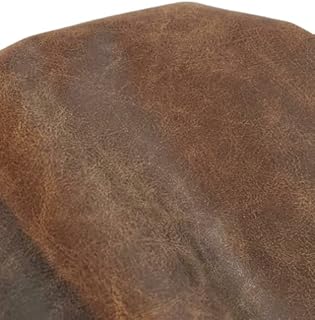
NAT Leathers Brown Distressed Vegan PU
A PETA-approved 0.9 mm pleather with a crazy-horse distressed face that disguises scuffs — useful in households where the sofa absorbs pets, kids, and midnight water glasses. Air it thoroughly before installation.
Full Grain Cowhide Sheet, Cognac (12″ × 24″)
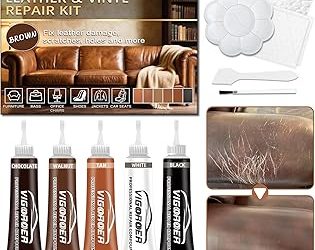
Repair stock, not reupholstery stock. Keep a pre-cut 3 oz sheet in the closet for armrest wear and seam blowouts, which almost always appear before the rest of the sofa is spent.
Frequently Asked Questions
Is real or faux leather better for a sofa people sleep on?
Genuine hide, generally. It wicks and dissipates body heat more effectively than a polymer coating, which reduces the sticky mid-nap wake-ups that fragment light sleep. Quality PU is a reasonable trade for budget or ethical reasons.
How much do I need for a three-seat sofa?
Plan on 60–80 square feet, or roughly 12–16 yards of 54-inch material. Measure each panel, add seam allowance, then add a fifth again for hide irregularities and cutting errors.
Does leather actually sleep hot?
Untreated hide feels cool initially and then equalizes with your skin. The hot sensation people report usually comes from heavy pigment coatings or vinyl, not from the leather itself.
How do I keep it comfortable long-term?
Condition genuine leather twice yearly and keep the sofa out of direct afternoon sun, which stiffens fibers. Wipe PU with a damp cloth only — conditioners sit on the surface and turn tacky.
Final Thoughts
For a full reupholstery where the sofa doubles as a sleep surface, the Weekender Two-Tone Cognac Full Hide is the strongest choice on breathability and yield. Budget-focused builders should look at Wento’s thick camel tan PU, and everyone should keep a small cognac full grain sheet on hand for the inevitable armrest repair.