Infants log more hours on their mattress than anywhere else on earth — roughly 14 to 17 hours a day in the newborn months, tapering to a still-substantial 11 to 14 by toddlerhood. That makes the crib mattress the single most-used piece of furniture you will ever buy for your child, and one of the few where the wrong choice carries genuine safety implications rather than just buyer’s remorse. Yet the category is crowded with vague claims: “breathable,” “organic,” “eco-foam,” “hypoallergenic.” Very few of those words are regulated, and none of them substitute for the two things that actually matter most — a genuinely firm surface and a snug fit inside your crib frame.
This guide cuts through the marketing language from a sleep-science perspective. Below you’ll find the specifications that measurably affect infant sleep safety and quality, followed by hands-on assessments of five crib mattresses worth your attention in 2026 — spanning budget foam, dual-stage designs, and washable breathable models. Whether you’re outfitting a nursery from scratch or replacing a hand-me-down of unknown age, the aim is to get you to a confident decision in about five minutes.
Our top picks


As an Amazon Associate we earn from qualifying purchases at no extra cost to you.
🛒 Best Price Today on Amazon
Prime members get fast, free shipping on everything above, plus member-only deals. New members get a 30-day free trial — cancel anytime.
How to Choose a Crib Mattress Best (2026)
- Firmness first, always: An infant mattress should feel almost uncomfortably rigid to an adult hand. Press firmly in the center and at the edges — if your palm leaves a visible dent that lingers, the surface is too soft. Softness that feels cozy to you increases the risk of a face-down infant rebreathing exhaled air.
- Fit before features: U.S. full-size crib mattresses must measure at least 27¼” x 51⅝” and no more than 6″ thick. Once installed, you shouldn’t be able to slip more than two fingers between the mattress edge and the crib slats anywhere around the perimeter.
- Verify the certification, not the adjective: GREENGUARD Gold tests finished products for chemical emissions; CertiPUR-US applies to the foam core; OEKO-TEX Standard 100 covers textiles. These are third-party verified. “Non-toxic” and “eco-friendly,” on their own, are not.
- Plan for the mess: Diaper leaks and reflux are inevitable. Decide between a sealed waterproof surface you wipe clean and a zip-off machine-washable cover — or find a model offering both. Check that seams are welded or double-stitched, since that’s where liquid migrates first.
- Buy for two stages: Dual-sided mattresses pair an extra-firm infant side with a slightly softer toddler side, extending usable life to roughly age four or five. Confirm the warranty length and whether it covers body impressions deeper than a specified threshold.
The Best Crib Mattress Best (2026)s Reviewed
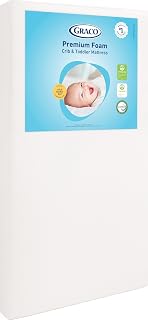
Graco Premium Foam Crib & Toddler Mattress
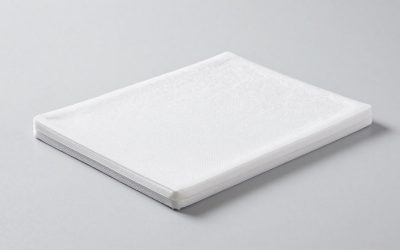
This remains the reference point for value: a lightweight foam core with legitimate GREENGUARD Gold certification and a waterproof, machine-washable OEKO-TEX cover — a combination usually reserved for mattresses at three times the price. It’s the model I recommend most often to parents buying a second crib for a grandparent’s house or a nanny share.
Newton Baby Crib Mattress & Toddler Bed
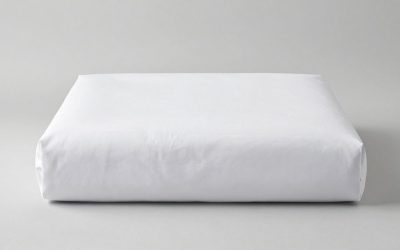
Newton’s fully washable food-grade polymer core is genuinely distinctive: the entire mattress, not just the cover, can go through the wash, which is a meaningful advantage for households managing reflux or eczema. It’s the priciest option here, and the airflow claims shouldn’t replace standard safe-sleep practice, but the hygiene benefit is real and hard to replicate.
Organic Cotton Dual-Sided 2-Stage Crib Mattress
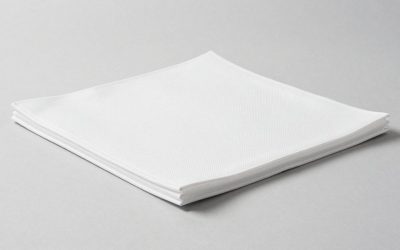
At 52″ x 27.5″ x 5.5″ with a CertiPUR-US memory foam construction, this one earns its keep through the honest two-stage design — a properly rigid infant face and a cooling-gel toddler face — wrapped in an organic cotton, waterproof, washable cover. A sensible pick if you’d rather buy once and use it through preschool.
Letmxiu Premium Crib & Toddler Mattress
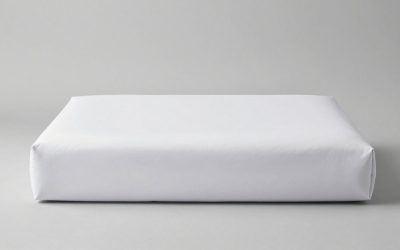
The 5″ profile and knitted fabric surface with a fleece top layer give this mattress a softer hand-feel than its firm core actually delivers, which is the right way around. Reasonable middle-ground choice, though I’d air it out for 48 hours before first use, as with any compressed foam product.
Premium Hypoallergenic Crib & Toddler Mattress (52″ x 27.6″)
Sized to fit standard cribs with minimal perimeter gap and built around a firm, low-emission core, this is a straightforward no-frills performer. “Hypoallergenic” here mostly means a tightly woven, dust-mite-resistant surface — useful, but not a substitute for regular cover laundering at 130°F.
Frequently Asked Questions
How firm is firm enough?
Use the two-hand test: press down with both palms in the center, then release. The surface should spring back immediately with no residual impression. If you’re unsure, it’s too soft.
Do breathable mattresses prevent suffocation?
No mattress has been demonstrated to prevent sleep-related infant death, and none should be marketed as such. Breathable designs may improve comfort and washability, but they don’t change the core guidance: firm, flat surface, baby on their back, nothing else in the crib.
Can I add a mattress topper or extra padding?
Not for infants. Toppers, quilted pads, and folded blankets defeat the firmness of the mattress underneath. A single thin, tightly fitted waterproof protector is the only acceptable addition.
When should I switch to the toddler side?
Most manufacturers specify around 12 months, but follow your particular product’s instructions. Flip it the day of the first birthday if you’re prone to forgetting — the infant side becoming a toddler surface is fine; the reverse is not.
Final Thoughts
For most families, the Graco Premium Foam delivers certified, washable performance at a price that leaves budget for the rest of the nursery. If you want a single mattress to carry you from newborn to preschooler, the Organic Cotton Dual-Sided 2-Stage is the smarter long-term investment, while the Newton Baby justifies its premium for parents prioritizing full-mattress washability. Any of the three, paired with a bare crib and back sleeping, sets your child up well.