Key takeaways
- Target firmness 7.5–9 out of 10: Stomach sleepers concentrate weight across the pelvis and abdomen rather than spreading it over shoulders and hips. Aim for firm to extra-firm; a “medium-firm” label only works if you’re under roughly 130 lb or sleep partly on your side.
- Prioritize zoned lumbar reinforcement: Look for 5- or 7-zone coil layouts or firmer foam density through the middle third of the bed. Reinforced center support is what stops the hip drop that flattens your natural lumbar curve.
- Choose hybrid construction over all-foam when possible: Pocketed coils push back with a resilient, springy support that resists long-term body impressions far better than foam alone. All-foam extra-firm builds can work well, but favor high-density cores and gel infusion.
- Insist on airflow: Lying face-down traps heat and moisture against the surface. Ventilated foam, breathable covers, and coil layers all help; a hot mattress will wake a stomach sleeper long before a slightly soft one does.
- Check certifications and trial length: CertiPUR-US foams and fiberglass-free constructions are now the baseline expectation. A 365-night trial matters more here than in any other position, since prone alignment takes several weeks of adaptation to judge honestly.
Stomach sleeping gets a bad reputation, but for millions of people it’s simply how the body settles once the lights go out. The real trouble isn’t the position — it’s the surface underneath it. When a mattress lets the hips and midsection sink even an inch too far, the lumbar spine arches into a shallow hammock, and the muscles that should be switching off for the night spend seven hours quietly bracing instead. That’s the low-back ache that greets so many front sleepers before their feet hit the floor, along with the neck strain that comes from a head turned sharply to one side on a pillow that’s too tall for a sagging bed.
The fix is a genuinely firm sleep surface — one that keeps the pelvis level with the shoulders and lets the ribcage rest without burrowing. This guide breaks down what “firm” actually needs to mean for stomach sleepers in 2026, which construction types hold up best over years of nightly loading, and how six well-reviewed firm and extra-firm queen mattresses compare on support, cooling, and trial terms. Everything below reflects how these beds behave under a prone sleeper specifically, not a generic comfort score.
Our top picks



As an Amazon Associate we earn from qualifying purchases at no extra cost to you. Ratings are shown as listed on Amazon.
🛒 Best Price Today on Amazon
Prime members get fast, free shipping on everything above, plus member-only deals. New members get a 30-day free trial — cancel anytime.
How to Choose a Firm Mattress For Stomach Sleepers (2026)
- Target firmness 7.5–9 out of 10: Stomach sleepers concentrate weight across the pelvis and abdomen rather than spreading it over shoulders and hips. Aim for firm to extra-firm; a “medium-firm” label only works if you’re under roughly 130 lb or sleep partly on your side.
- Prioritize zoned lumbar reinforcement: Look for 5- or 7-zone coil layouts or firmer foam density through the middle third of the bed. Reinforced center support is what stops the hip drop that flattens your natural lumbar curve.
- Choose hybrid construction over all-foam when possible: Pocketed coils push back with a resilient, springy support that resists long-term body impressions far better than foam alone. All-foam extra-firm builds can work well, but favor high-density cores and gel infusion.
- Insist on airflow: Lying face-down traps heat and moisture against the surface. Ventilated foam, breathable covers, and coil layers all help; a hot mattress will wake a stomach sleeper long before a slightly soft one does.
- Check certifications and trial length: CertiPUR-US foams and fiberglass-free constructions are now the baseline expectation. A 365-night trial matters more here than in any other position, since prone alignment takes several weeks of adaptation to judge honestly.
The Best Firm Mattress For Stomach Sleepers (2026)s Reviewed
BedStory Firm 13 Inch Hybrid Queen
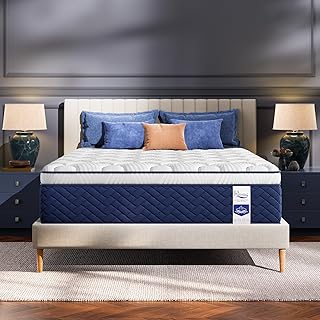
A hotel-style hybrid that pairs a genuinely firm feel with zoned lumbar reinforcement, so the pelvis stays level instead of settling into the bed. The 13-inch profile gives enough support depth for heavier front sleepers without the pillowy top layer that usually undermines prone alignment.
SLEEP100 14″ Extra Firm Memory Foam Queen
The strongest all-foam option here, with a dense contouring core tuned for maximum pushback and gel-infused ventilated layers that address foam’s usual heat problem. Best suited to stomach sleepers who want a quiet, motion-isolating bed and don’t mind a very solid, almost floor-like feel.
BedStory Firm Queen 14 Inch 7-Zone Hybrid
The 7-zone coil arrangement is the standout feature, delivering noticeably firmer response through the hips and midsection where front sleepers need it most. Fiberglass-free and CertiPUR-US certified construction makes it an easy recommendation for buyers who scrutinize materials.
Queen 12 Inch Extra Firm Hybrid
A slimmer, no-nonsense extra-firm build that suits lighter and average-weight stomach sleepers who find deeper mattresses too plush at the surface. The 365-night trial and zero-fiberglass construction add real reassurance at this profile height.
Medium Firm 14 Inch Hotel Collection Hybrid
The gentlest option in this lineup, and the right call for combination sleepers who spend part of the night on their side or shoulder. Its 7-zone support still targets the hips and lower back, but expect a touch more give than a true extra-firm bed.
Frequently Asked Questions
Is a firm mattress always better for stomach sleepers?
Almost always, yes. Firm surfaces keep the pelvis from sinking below shoulder level, which preserves neutral spinal alignment. The main exception is very lightweight sleepers, who may not compress a firm bed enough to feel supported at the shoulders.
What pillow should I pair with a firm mattress?
Go thin — roughly 2 to 3 inches of loft, or none at all. On a firm bed your torso stays high, so a thick pillow forces the neck into extension. Many front sleepers do better with a slim pillow under the pelvis and only a token one under the head.
How long before a new firm mattress feels normal?
Give it three to four weeks. Muscles accustomed to a sagging surface often protest at first, which is exactly why a 365-night trial is worth prioritizing over a 30-day return window.
Hybrid or memory foam for prone sleeping?
Hybrids generally win on durability and cooling, since coils resist body impressions and move air. Choose extra-firm memory foam if silence, motion isolation, and a solid uniform surface matter more to you than bounce.
Final Thoughts
For most stomach sleepers, the BedStory Firm 14 Inch 7-Zone Hybrid offers the best balance of targeted hip support, durable coil construction, and clean materials, with the BedStory 13 Inch Hybrid a close second for those who want a slightly more hotel-like surface. If you prefer foam’s quiet, contouring feel without sacrificing pushback, the SLEEP100 14″ Extra Firm is the pick — just commit to the trial period and let your body recalibrate before passing judgment.