Key takeaways
- Stays dry when you sweat. Wool absorbs roughly 30% of its weight in moisture before feeling wet, compared with about 8% for cotton and near zero for polyester, then releases it as vapor.
- Evens out temperature swings. The same fiber that pulls heat and moisture away when you are hot holds warmth when you cool down toward morning, which reduces the hot-then-cold cycle common with night sweats.
- Hypoallergenic in practice. Dust mites do not thrive in wool, and lanolin-cleaned wool has little scent, which makes it an option for people who react to down.
- Quiet and low-drift. Wool batting is quilted in place and does not shift or clump to one end the way loose down or fiber can.
- Durable. A quality wool insert lasts 8-15 years with occasional airing; the fiber resists compression and springs back.
- Naturally flame-resistant. Wool does not need chemical flame retardants to meet bedding standards.
What's inside
The Short Answer
Yes, a wool duvet insert is worth it for night sweats, with one condition: it must be a lightweight or all-season weight, not a winter-weight insert. Wool absorbs up to about 30% of its weight in moisture without feeling damp and releases it as vapor, which is why sweaty sleepers stay drier under wool than under down or polyester. But wool is also warm, and a heavy 500-plus gsm winter insert cancels the moisture benefit by making you sweat more in the first place. At 200-350 gsm, wool is the most effective duvet fill for people who soak the sheets rather than simply run warm. A queen runs $80-$200 for a good quality insert.
What You Actually Get
A wool duvet insert is a cotton or cotton-linen shell quilted around a layer of carded wool batting, usually sheep’s wool, sometimes alpaca or merino. Weight is specified in grams per square meter: lightweight inserts run 200-300 gsm, all-season 350-450, and winter 500-600. A queen at 300 gsm weighs about 6-7 lb total; a king all-season at 450 gsm weighs 9-11 lb. Wool does not loft like down, so the duvet lies flatter and heavier and drapes closer to the body.
As an Amazon Associate we earn from qualifying purchases at no extra cost to you. Product prices and availability are accurate as of the date shown and are subject to change.


What the wool does is manage the moisture cycle. When you sweat, the fiber pulls the vapor away from your skin and holds it inside the fiber structure; as your body cools, the wool releases it into the room. That keeps the microclimate under the duvet from turning clammy, which is the moment most night sweaters wake up and throw the covers off. Wool also resists dust mites and mildew, so a duvet that gets damp several nights a week is less likely to develop odors than a down or cotton one.
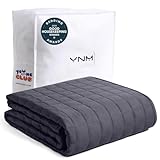
Entry-level pricing is reasonable. A lightweight queen wool comforter with a cotton-linen shell such as the YOUR MOON at $89.99 sits at the low end; an all-season king quilted wool insert such as the COHOME at $169.90 represents the middle. Certified organic or traceable-wool inserts run $250-$500.
Pros
- Stays dry when you sweat. Wool absorbs roughly 30% of its weight in moisture before feeling wet, compared with about 8% for cotton and near zero for polyester, then releases it as vapor.
- Evens out temperature swings. The same fiber that pulls heat and moisture away when you are hot holds warmth when you cool down toward morning, which reduces the hot-then-cold cycle common with night sweats.
- Hypoallergenic in practice. Dust mites do not thrive in wool, and lanolin-cleaned wool has little scent, which makes it an option for people who react to down.
- Quiet and low-drift. Wool batting is quilted in place and does not shift or clump to one end the way loose down or fiber can.
- Durable. A quality wool insert lasts 8-15 years with occasional airing; the fiber resists compression and springs back.
- Naturally flame-resistant. Wool does not need chemical flame retardants to meet bedding standards.
Cons
- It is warm. Even lightweight wool is warmer than a summer-weight down-alternative. In a bedroom above 72°F, many sweaty sleepers still overheat under it.
- Heavier and flatter than down. A 6-7 lb queen feels weighty; if you like the airy cloud of a down duvet, wool will feel like a blanket instead.
- Cleaning is limited. Most wool inserts are spot-clean and air-only, with dry cleaning or a cold hand wash once a year. Machine-washable versions exist but are fewer and shrink if overheated.
- Wool smell when new or damp. Some inserts carry a faint lanolin odor for the first few weeks, noticeable to sensitive noses.
- Higher entry price than synthetics. $80-$200 for a queen versus $25-$50 for a lightweight down-alternative.
- Weight labels are inconsistent. “All-season” ranges from 300 to 450 gsm depending on brand, so you must read the gsm figure, not the label.
Who Should Buy It
Buy a wool insert if you wake up damp rather than just warm: soaked pillowcase, sheet stuck to your back, needing to change the sheet at 3 a.m. That is a moisture problem, and wool is the best fill for it. Buy one if you also get cold toward morning after sweating, since wool smooths that cycle. Buy one if you react to down or have dust mite allergies, or if you sleep in a bedroom kept at 65-70°F where a bit of warmth is welcome. Choose 200-300 gsm if you sweat heavily, 350-450 if your room is cool and you sweat moderately, and pair it with breathable cotton percale or linen sheets so the moisture wool releases has somewhere to go.
Who Should Skip It
Skip wool if you are simply a hot sleeper who does not actually sweat much; a lightweight down-alternative or a linen coverlet will keep you cooler for less money. Skip it if your bedroom stays above 72°F at night without air conditioning, since any wool is too warm in that range. Skip it if you want a duvet you can machine wash monthly, or if you want the puffy, lofted look of down. Skip winter-weight wool entirely for night sweats, regardless of what else is true; 500-plus gsm defeats the purpose. And skip it if the budget is under $60 for a queen, because wool inserts at that price are usually thin wool-poly blends that behave like polyester.
Cheaper Alternatives
| Option | Cost (queen) | Trade-off |
|---|---|---|
| Lightweight down-alternative insert (under 2 lb fill) | $25-$50 | Cooler and washable, but polyester holds no moisture, so sweat stays on you and the sheet |
| Cotton or linen coverlet only, no insert | $40-$90 | Coolest option for hot climates; too cold for most bedrooms under 68°F |
| Bamboo or Tencel lyocell insert | $50-$100 | Wicks moisture and sleeps cool; less warmth regulation than wool, and lyocell fill compresses over 2-3 years |
| Wool mattress pad under a light synthetic duvet | $60-$120 | Puts wool where the sweat lands (beneath you) and lets you keep a washable duvet on top; no benefit for upper-body sweat |
| Wool-poly blend insert | $45-$70 | Cheaper and often washable, but 30-50% polyester cuts moisture absorption roughly in half |
| Moisture-wicking sheets plus a fan | $40-$80 | Addresses the sheet-stuck-to-you problem directly and costs less; does nothing about the duvet’s own clamminess |
FAQ
Is a wool duvet too hot for summer night sweats?
A lightweight 200-300 gsm insert is usable in summer in an air-conditioned room around 68-72°F. Above that, most people find any wool too warm and do better with a wool mattress pad beneath them and just a sheet or coverlet on top. Winter-weight wool at 500 gsm or more is never a summer duvet.
How do I wash a wool duvet insert?
Air it outdoors or by an open window monthly for 2-3 hours; wool sheds odor and moisture that way. Spot clean stains with cool water and mild soap. Once a year, follow the label: most say dry clean or cold hand wash with a wool detergent, then lay flat to dry, which takes 24-48 hours. Never tumble dry on heat, which felts and shrinks the batting. A washable duvet cover changed weekly does most of the hygiene work.
What gsm should I choose for night sweats?
200-300 gsm if you sweat heavily or your room is above 68°F; 350-450 gsm if your room is 62-68°F and you sweat moderately. In 2026 most brands label these as lightweight or summer and all-season respectively, but the gsm number is the reliable guide. Avoid anything above 450 gsm for a sweaty sleeper.
Wool or down for someone who sweats at night?
Wool. Down insulates by trapping air and holds little moisture, so once you sweat under it the air pockets turn humid and you wake up damp. Wool absorbs that moisture and moves it away. Down is lighter and loftier, which some people prefer for feel, but for the specific problem of sweating through the night, wool outperforms it.