Key takeaways
- Vacuum or dry-sweep first, every time. Steam turns loose grit into abrasive slurry that scratches the wear layer.
- Keep the head moving in slow, overlapping passes and never let it idle on one plank — lingering is what drives vapor into seams.
- Use distilled or filtered water to prevent mineral scale, which reduces steam output and eventually clogs the nozzle.
- Finish at least two hours before bed. The floor should be dry to the touch and the room fully aired before you sleep in it.
What's inside
As a sleep-wellness practitioner, I spend most of my consultations talking about light, temperature, and cortisol curves — and a surprising amount of time talking about floors. Bedroom flooring is the largest horizontal surface in the room you breathe against for seven or eight hours a night. It collects skin cells, pet dander, pollen tracked in on socks, and the fine grit that settles out of the air while you sleep. Laminate is one of the most common bedroom floorings in the country, and it’s also the fussiest to clean well, because the thing that makes steam so appealing — hot, chemical-free vapor — is the same thing that can quietly ruin a laminate plank from the seams outward.
So this guide is not a list of the most powerful steamers. It’s a practical walkthrough of what actually makes a steam mop laminate-safe, how to use one without voiding your floor’s warranty, and how to fold floor care into an evening routine that leaves your bedroom air cleaner rather than sharper. You’ll learn how to read your floor before you read a spec sheet, which features genuinely matter (and which are marketing), and how to time cleaning so you’re not sleeping on damp planks or breathing residual fragrance.
As an Amazon Associate we earn from qualifying purchases.




🛒 Best Price Today on Amazon
Prime members get fast, free shipping on everything above, plus member-only deals. New members get a 30-day free trial — cancel anytime.
First, Confirm Your Laminate Can Take Steam At All
Laminate is a photographic decor layer over a high-density fiberboard core. That core is wood flour and resin, and it swells when moisture reaches it. Modern click-lock laminate with tight, factory-treated joints tolerates brief, light steam; older floors, floors with visible gaps, chipped edges, lifting seams, or any board that already feels spongy underfoot do not. Check your manufacturer’s care sheet before anything else — several major brands explicitly void warranty coverage for steam use. If your floor passes, note the phrase used by nearly every steam mop maker: “sealed hard floors.” That word “sealed” is doing all the work.
Choose Low, Controllable Steam Over Maximum Output
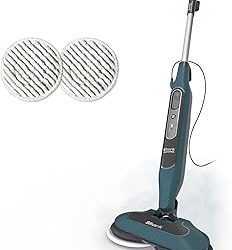
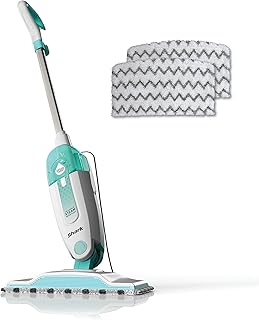
For laminate, adjustability is the single most important feature. A mop locked at full blast gives you no way to dial back on seams and transitions. Variable steam control is why the BISSELL PowerFresh 1940A remains a sensible default for mixed hard-floor homes — you can run it at its lowest setting on laminate and step up only for tile grout. For people who want simplicity over settings, the Shark S1000 is deliberately minimal and light, which naturally limits how much moisture you leave behind, and its washable Dirt Grip pads absorb rather than smear.
Pad Design Matters More Than Wattage
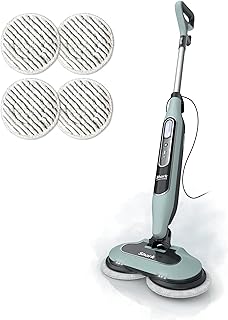
The pad is your moisture buffer. A thick microfiber pad captures condensate before it reaches a seam; a thin, worn pad lets water pool. Swap to a fresh pad the moment the current one feels saturated, not when it looks dirty. Mops that ship with multiple pads — the Shark Steam & Scrub S8001 includes four soft scrub pads, plus LED headlights that reveal the fine dust you’d otherwise miss under a bed frame — make that habit easy to keep. Wash pads without fabric softener, which coats fibers and destroys absorbency.
Decide Whether You Need Handheld Versatility
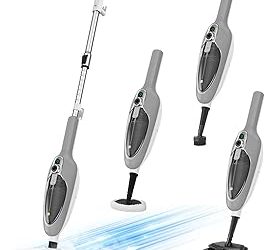
If floors are your only concern, a dedicated upright is simpler and lighter. But bedrooms accumulate grime above the floor too: baseboards, window tracks, upholstered headboards, mattress seams, and the vents that push air over your face all night. Detachable systems earn their keep here. An 11-in-1 handheld steam cleaner with a long cord and three steam modes will reach a window frame without an extension lead, while a 10-in-1 model with a 350ml tank and ten-second heat-up suits short, frequent bursts rather than marathon sessions. Multi-purpose steam cleaners marketed as pet-friendly and chemical-free are also worth considering if allergen load is your main driver, since they let you sanitize soft surfaces without introducing fragrance into a sleeping space.
Tips
- Vacuum or dry-sweep first, every time. Steam turns loose grit into abrasive slurry that scratches the wear layer.
- Keep the head moving in slow, overlapping passes and never let it idle on one plank — lingering is what drives vapor into seams.
- Use distilled or filtered water to prevent mineral scale, which reduces steam output and eventually clogs the nozzle.
- Finish at least two hours before bed. The floor should be dry to the touch and the room fully aired before you sleep in it.
Frequently Asked Questions
Will a steam mop damage my laminate floor?
It can, if the floor has open seams, damaged edges, or an unsealed surface, or if you over-wet it. Light steam, a fresh absorbent pad, and continuous motion make damage unlikely on sound modern laminate. When in doubt, test an inconspicuous corner and check it again after 48 hours.
How often should I steam a bedroom floor?
Once every two to four weeks is plenty for most bedrooms, with dry dusting or vacuuming twice weekly in between. Over-steaming adds cumulative moisture exposure without meaningful hygiene benefit.
Does steam actually help allergies and sleep?
Indirectly. Steam removes settled dust and dander without adding volatile fragrances or residues, which matters for anyone with reactive airways. Reducing particulate load in the bedroom tends to mean fewer nighttime congestion arousals.
Can I add cleaning solution or essential oils to the tank?
No. Additives can damage the boiler and void the warranty, and aerosolized fragrance in a bedroom is counterproductive for sensitive sleepers. Use a scent pad or demister if your model offers one.
Conclusion
The best steam mop for laminate is the one that gives you the least moisture you can get away with, in the most controlled way: adjustable steam, generous absorbent pads, a light head, and — if your bedroom needs more than floor care — a detachable handheld for vents, tracks, and baseboards. Confirm your floor is sealed, work dry-first and dry-fast, and finish well before lights out. Clean floors won’t fix insomnia, but they quietly remove one irritant from the eight hours you can least afford to have disrupted.