Key takeaways
- Steam temperature and sanitizing claims: Look for units reaching roughly 240°F or higher at the head. That’s the range where steam meaningfully reduces dust mite populations and surface bacteria without any cleaning chemicals — which matters if fragranced cleaners trigger congestion at night.
- Heat-up time and tank size: A ten-second heat-up encourages quick nightly passes through high-traffic zones. Larger tanks suit whole-floor sessions, while smaller ones stay lighter in hand. Decide whether you want a daily habit or a weekend deep clean.
- Variable steam settings: Sealed hardwood needs a lighter touch than porcelain tile or grout. Multi-level controls protect finishes and prevent the excess moisture that leads to musty odors in closed bedrooms.
- Pad quality and washability: Double-sided microfiber pads effectively double your cleaning surface before a swap. Confirm the pads are machine washable and that replacements are easy to source — a mop is only as hygienic as the cloth touching your floor.
- Attachments and reach: If you also want to steam mattress seams, baseboards, curtains, or upholstery, prioritize a detachable handheld or canister system with brushes and nozzles rather than a floor-only design.
What's inside
As a sleep-wellness specialist, I spend most of my time talking about mattresses, light exposure, and bedtime routines — but the conversation almost always circles back to something less glamorous: the floor. Dust mites, pet dander, and tracked-in residue settle low, and every time you walk across a bedroom rug or step out of bed onto tile, that debris lifts into the air you breathe for the next eight hours. Buyers trying to fix this end up drowning in options, unsure whether they need a slim daily mop, a scrubbing workhorse, or a full canister unit that also handles grout and upholstery.
This guide sorts that out. Below you’ll find the steam mops I’d actually recommend to clients working on bedroom air quality and allergen control, plus a plain-language breakdown of the specs that matter — heat-up time, steam control, pad design, and surface safety — so you can match a machine to your home instead of guessing.
As an Amazon Associate we earn from qualifying purchases.


🛒 Best Price Today on Amazon
Prime members get fast, free shipping on everything above, plus member-only deals. New members get a 30-day free trial — cancel anytime.
How to Choose a/an Steam Mop Best (2026)
- Steam temperature and sanitizing claims: Look for units reaching roughly 240°F or higher at the head. That’s the range where steam meaningfully reduces dust mite populations and surface bacteria without any cleaning chemicals — which matters if fragranced cleaners trigger congestion at night.
- Heat-up time and tank size: A ten-second heat-up encourages quick nightly passes through high-traffic zones. Larger tanks suit whole-floor sessions, while smaller ones stay lighter in hand. Decide whether you want a daily habit or a weekend deep clean.
- Variable steam settings: Sealed hardwood needs a lighter touch than porcelain tile or grout. Multi-level controls protect finishes and prevent the excess moisture that leads to musty odors in closed bedrooms.
- Pad quality and washability: Double-sided microfiber pads effectively double your cleaning surface before a swap. Confirm the pads are machine washable and that replacements are easy to source — a mop is only as hygienic as the cloth touching your floor.
- Attachments and reach: If you also want to steam mattress seams, baseboards, curtains, or upholstery, prioritize a detachable handheld or canister system with brushes and nozzles rather than a floor-only design.
The Best Steam Mop Best (2026)s Reviewed
Shark Steam & Scrub S8201
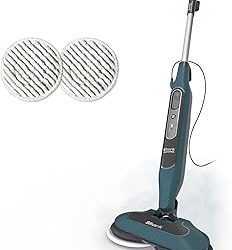
The self-cleaning rotating pads and Steam Blaster jet make this the strongest performer for kitchens and entryways where ground-in grime resists a standard pass. Three steam modes and LED headlights also make it genuinely useful for late-evening cleaning without flipping on harsh overhead lights.
Shark Steam Pocket Mop S3501
Lightweight, agile, and simple — this is the model I suggest most often for bedrooms, since the swivel head slips under bed frames and around nightstand legs with minimal effort. The two washable double-sided pads give you four cleaning surfaces per session, which is plenty for a typical upstairs floor plan.
Multi-Purpose Steam Cleaner with Handheld Steamer
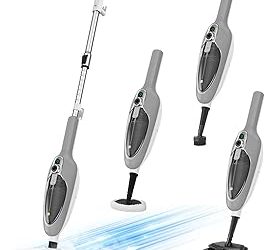
A strong value pick for allergy-conscious households: chemical-free operation is safe around kids and pets, and the detachable handheld extends your reach to mattress seams, headboards, and upholstered benches. Expect solid stain lifting on both hardwood and tile without a steep learning curve.
McCulloch MC1385 Canister Steam Cleaner
With 23 accessories and a proper canister boiler, this is the most capable unit here for grout, tile, and detail work well beyond the floor. It’s heavier and requires more setup, so choose it if you want one machine to handle bathrooms, furniture, and car interiors rather than a nightly grab-and-go tool.
BISSELL PowerFresh 1940A
A dependable all-rounder: variable steam, a built-in scrubber for stubborn spots, and a wide 12-inch cleaning path that shortens open-floor sessions considerably. Its natural sanitization on sealed hard floors makes it a sensible default for households avoiding chemical residue.
Frequently Asked Questions
Can steam mopping actually improve sleep quality?
Indirectly, yes. Reducing floor-level allergens and dust mite debris lowers nighttime nasal congestion for sensitive sleepers, and clearer breathing means fewer micro-awakenings. It’s a supporting habit, not a cure for a sleep disorder.
Is steam safe on hardwood floors?
On properly sealed hardwood, yes — provided you use a low steam setting and keep the head moving. Avoid steam entirely on unsealed, waxed, or laminate floors with damaged seams, where moisture can penetrate and cause swelling.
How often should I steam my bedroom floors?
Once weekly suits most homes. Households with pets, shedding textiles, or diagnosed dust mite allergies benefit from twice weekly, ideally in the morning so floors and air fully dry before bedtime.
Do I still need to vacuum first?
Yes. Steam mopping loose hair and grit turns it into muddy streaks and clogs your pads quickly. Vacuum or dry sweep first, then steam to sanitize.
Final Thoughts
For most bedrooms and living spaces, the Shark Steam Pocket Mop S3501 is the easiest machine to actually use consistently, and consistency is what improves indoor air. If your floors take heavier abuse, the Shark Steam & Scrub S8201 handles scrubbing duty without extra effort, while the BISSELL PowerFresh 1940A remains the best-balanced pick for wide open floors and reliable chemical-free sanitizing.