Key takeaways
- Using hot water or high heat. The batting that keeps beads in place melts or shrinks, and the blanket ends up lumpy for good.
- Washing in a top-loader with a center post. The agitator twists the quilted grid and rips pockets open.
- Overloading a home washer. A blanket over 15 to 20 pounds dry can strain the motor and bearings; use a laundromat machine.
- Adding bleach or fabric softener. Bleach weakens seams; softener coats the fabric and traps odor.
- Hanging it to dry from one edge. Gravity pulls beads to the bottom row and stresses the stitching.
- Putting it away damp. Wet batting mildews inside sealed pockets where you cannot see or smell it until it is too late.
- Ironing. Direct heat on a bead pocket can scorch the fabric and fuse the batting.
A weighted blanket filled with glass beads is really two products stitched together: a quilted grid of small pockets, each holding a measured dose of tiny glass spheres, wrapped in a fabric shell. Washing it badly attacks both. Hot water and high dryer heat melt the polyester batting that keeps the beads from shifting, so the weight ends up in one corner. A machine with a center agitator can twist and tear the internal seams, and once a pocket splits, thousands of beads about the size of coarse sand pour into your washer drum and drain pump, which is a repair bill of $150 to $300. Overloading a home washer with a 20-pound blanket that weighs 35 pounds wet can also burn out the motor or crack the drum bearings. None of that has to happen. A glass-bead blanket is one of the easier weighted fills to wash because glass does not absorb water or hold odor, but it needs the right machine, cool temperatures, and a lot of patience during drying.
What You Need
| Item | Why | Optional? |
|---|---|---|
| Care label or manufacturer instructions | Confirms the shell fabric and whether the inner blanket is machine washable | No |
| Bathroom scale | Weigh the blanket first; most home washers max out at 15 to 20 pounds of dry load | No |
| Front-load or high-capacity top-load washer without a center agitator | Agitators twist and tear quilted pockets | No |
| Mild, bleach-free liquid detergent (1 to 2 tablespoons) | Powder can leave residue in the quilting; bleach weakens seams | No |
| Enzyme stain remover | Pretreats sweat, food, or pet stains before the wash | Yes |
| Large-capacity dryer or a sturdy drying rack | A wet 15-pound blanket needs room to tumble or air out | No |
| Wool dryer balls (2 to 3) | Keep the quilted pockets moving so beads dry evenly | Yes |
| Needle and heavy thread | Repair any seam gaps before washing to prevent bead leaks | Yes |
| Replacement glass beads | Refill a repaired pocket that lost weight | Yes |
| Access to a laundromat with 25- to 40-pound machines | Required for blankets over about 15 pounds | Yes |
Step-by-Step
1. Read the label and weigh the blanket (5 minutes)
Check the care tag for the fabric of the inner blanket and the shell. Most glass-bead inners are cotton or polyester and labeled machine washable in cold water; some premium shells are minky or bamboo and have their own rules. Put the blanket on a bathroom scale. Anything over 15 pounds should go to a laundromat’s commercial front-loader, and anything over 20 pounds absolutely must. A standard home washer with a 4.5-cubic-foot drum is rated for about 15 to 20 pounds dry, and a weighted blanket doubles in weight when soaked.
Our top picks
As an Amazon Associate we earn from qualifying purchases at no extra cost to you.
2. Remove and wash the duvet cover separately (5 minutes plus wash cycle)
If the blanket has a removable cover, unzip or untie it and wash the cover on its own, on a normal cycle with regular detergent. Nine times out of ten, only the cover is dirty and the weighted inner just needs airing. If that is the case, skip to step 7 for the inner and you are done.
3. Inspect and repair seams (10 minutes)
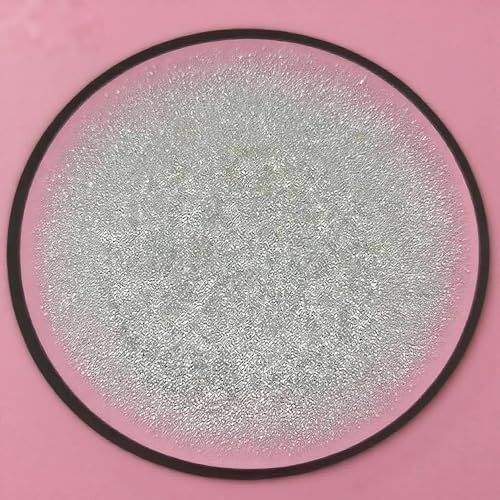
Spread the inner blanket flat and run your hands along every seam and quilt line, feeling for loose threads, small holes, or a pocket where beads have migrated into a neighbor. Stitch any gap closed with a tight backstitch using heavy polyester thread. If a pocket has clearly lost fill, this is the time to top it up through a small opening before sealing; glass beads are sold in bulk, with a 10-pound bag running around $33.99 and a 2.2-pound bag around $13.99, and a single pocket in a 15-pound throw typically holds 1 to 2 ounces.
4. Pretreat stains (10 minutes plus 15-minute dwell)
Spot-treat any marks with an enzyme stain remover or a dab of liquid detergent worked in with your fingers. Let it sit for 10 to 15 minutes. Avoid bleach-based sprays; they weaken cotton thread and can leave pale blotches on colored shells.
5. Machine wash cold and gentle (45 to 60 minutes)
Load the blanket by itself into a front-loader or agitator-free top-loader, spreading it evenly around the drum. Add 1 to 2 tablespoons of mild liquid detergent; more than that will not rinse out of the quilting. Select cold water, gentle or delicate cycle, and the lowest spin speed available. Cold water protects the polyester batting and any glued seams. Skip fabric softener, which coats the fibers and makes the blanket feel slick and stiff. When the cycle ends, run an extra rinse if the machine offers one.
6. Dry low or air-dry (2 to 4 hours in a dryer, 24 to 48 hours flat)
Tumble dry on low or air-fluff only, with two or three wool dryer balls to keep the pockets shifting. Stop every 30 to 40 minutes, pull the blanket out, shake it hard to redistribute the beads, and check for warm spots. A 15-pound blanket usually takes 2 to 3 hours; a 20-pound one can take 4. If you prefer to air-dry, lay it flat across a large drying rack, a clean floor with towels underneath, or over two parallel clotheslines so the weight is spread out. Hanging it from one edge lets the beads pull all the fill downward and can tear pockets. Flip every few hours. Glass beads themselves dry instantly, so the batting is what you are waiting on.
7. Shake, check, and reassemble (10 minutes)
Once fully dry, hold the blanket by two corners and shake it so the beads settle evenly. Run your hands over the grid; every pocket should feel about the same weight and the fabric should be dry to the touch with no cool patches. Put the clean cover back on and fasten all the ties or the zipper so the inner cannot bunch.
Mistakes to Avoid
- Using hot water or high heat. The batting that keeps beads in place melts or shrinks, and the blanket ends up lumpy for good.
- Washing in a top-loader with a center post. The agitator twists the quilted grid and rips pockets open.
- Overloading a home washer. A blanket over 15 to 20 pounds dry can strain the motor and bearings; use a laundromat machine.
- Adding bleach or fabric softener. Bleach weakens seams; softener coats the fabric and traps odor.
- Hanging it to dry from one edge. Gravity pulls beads to the bottom row and stresses the stitching.
- Putting it away damp. Wet batting mildews inside sealed pockets where you cannot see or smell it until it is too late.
- Ironing. Direct heat on a bead pocket can scorch the fabric and fuse the batting.
How Often
Wash the removable cover every 2 to 4 weeks, the same as your sheets, or weekly if you use the blanket nightly or share it with pets. Wash the weighted inner itself only two to four times a year unless it gets visibly soiled; every wash puts stress on the seams, and glass beads do not hold sweat or odor the way plastic pellets or organic fills can. Between washes, air the inner outdoors or by an open window for a couple of hours once a month and shake it to redistribute the fill. Spot-clean spills within a day so they do not set.
When to Call a Pro or Replace
Take the blanket to a laundromat or a dry cleaner that offers wet cleaning if it weighs more than 20 pounds, if the shell is a delicate fabric like silk or velvet, or if the care label says professional cleaning only. Commercial washing typically costs $10 to $25 per load in a 40-pound machine, and professional cleaning $30 to $60. Replace the blanket when several pockets have split and beads are leaking faster than you can patch them, when the batting has clumped so badly that shaking no longer evens out the weight, when the fabric has thinned enough to see beads through it, or when the blanket has lost more than a pound or two of its rated weight. Most well-made glass-bead blankets last 4 to 6 years of regular use. In 2026, a quality 15-pound twin runs $60 to $150 and a queen 20-pounder $100 to $250, so a blanket that is falling apart is not worth another wash cycle.
FAQ
Will glass beads damage my washing machine?
Not while they stay inside the pockets. The risk is a torn seam releasing beads into the drum, where they can jam the drain pump. Inspect and repair every seam before washing and you eliminate the problem.
Can I wash a 20-pound weighted blanket at home?
Only if your washer is rated for at least 20 pounds dry and has no agitator, which usually means a large front-loader of 5 cubic feet or more. Otherwise the wet weight of roughly 35 to 40 pounds can damage the machine. A laundromat’s commercial front-loader is the safer choice.
How do I dry a weighted blanket without a dryer?
Lay it flat on a clean surface or drape it evenly across a large rack or two clotheslines so the weight is spread out. Flip it every 3 to 4 hours and expect 24 to 48 hours in a well-ventilated room, faster with a fan pointed at it. Never hang it from one edge.
Is it safe to use a dryer at all with glass beads?
Yes, on low or no heat. Glass beads tolerate the temperature easily; the concern is the polyester batting and the stitching, which is why you stay away from medium and high settings and check the blanket every half hour.