Transforming a cluttered garage into a functional workshop or tidy parking space often starts with investing in the right storage infrastructure. While wall-mounted systems and overhead racks handle certain gear, freestanding garage cabinets remain the ultimate workhorse for heavy-duty organization. They swallow up automotive supplies, power tools, seasonal gear, and bulky household items while keeping them protected from dust, moisture, and pests. However, shopping for these units can quickly become overwhelming due to the vast array of materials, weight ratings, and locking configurations on the market.
Choosing the right freestanding cabinets requires looking past slick marketing photos and focusing on structural integrity, spatial compatibility, and daily usability. Whether you are outfitting a newly built suburban garage or upgrading a workspace in 2026, understanding the core specifications prevents costly mistakes. This guide cuts through the noise to highlight the exact factors that determine whether a cabinet will stand strong for decades or wobble under a modest load.
As an Amazon Associate we earn from qualifying purchases at no extra cost to you.
Understanding Gauge Thickness and Weight Ratings
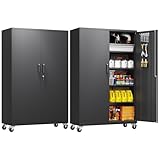
When shopping for metal freestanding cabinets, steel gauge is the single most critical indicator of durability. Lower numbers indicate thicker steel, which translates to better dent resistance and higher load tolerances. Many budget models utilize thin gauge steel that easily twists during transit or buckles under heavy tool collections. Look for cabinets that clearly state their gauge ratings and examine the published weight capacities for individual shelves. A sturdy shelf should support heavy items like cast-iron bench grinders, battery banks, and bins of hardware without sagging in the middle over time. Always calculate the total weight of your heaviest equipment before finalizing your purchase to ensure the shelving framework can handle the load safely.
Evaluating Material Performance: Steel, Resin, and Wood
Material selection dictates how your cabinets will react to the harsh environment of an unconditioned garage. Steel remains the gold standard for heavy-duty industrial applications, offering exceptional strength and fire resistance, though it requires a quality powder coating to prevent rust. Resin and heavy-duty plastic cabinets have evolved significantly, offering complete immunity to moisture, rot, and denting while remaining lightweight enough to reposition easily. However, resin can warp under extreme summer heat if overloaded or if placed in direct, intense sunlight streaming through a garage window. Wood and high-density particleboard composite cabinets provide a clean, furniture-like aesthetic ideal for hobbyists, but they demand rigorous edge-banding and surface sealing to survive high humidity and accidental chemical spills.
Balancing Mobility with Stationary Stability
Deciding whether your garage layout requires stationary feet or heavy-duty casters fundamentally changes how you use your storage space. Casters offer incredible versatility, allowing you to roll your entire tool cabinet right up to your vehicle or workbench during a project, then tuck it away against the wall afterward. If you choose a mobile unit, verify that the casters feature robust locking mechanisms on at least two wheels to prevent the cabinet from drifting while you open drawers. Stationary cabinets with heavy-duty leveling legs, conversely, offer superior stability on uneven concrete garage floors. Sloped floors are standard in garages for drainage purposes, so integrated adjustable feet are essential to ensure doors swing shut properly and top-heavy frames remain balanced.
Assessing Locking Mechanisms and Security Features
Security in a garage environment is about more than just keeping children away from sharp tools and chemicals; it is also a vital deterrent for expensive power equipment and automotive gear. Many freestanding cabinets feature basic single-point latches that secure only the door handle, which can easily be pried open if the metal frame flexes. Premium models utilize three-point locking systems that secure the top, center, and bottom of the doors simultaneously into the steel frame. If you store hazardous materials, solvents, or high-value cordless tool kits, prioritize key-locking or digital padlocked designs that bolt deeply into reinforced channels rather than flimsy sheet metal lips.
Assembly Demands and Modular Expandability
Before ordering a massive freestanding cabinet, evaluate how it arrives and how it integrates into your long-term storage ecosystem. Knock-down or ready-to-assemble units ship in flat boxes, making them much easier to maneuver through tight side doors and narrow hallways, but they require patience, hand tools, and careful square alignment during construction. Welded frame cabinets arrive fully assembled and offer vastly superior rigidity right out of the box, though freight delivery logistics can be complex. Additionally, consider modular systems that allow you to stack half-height cabinets, add wooden worktops across the top, or lock side-by-side with compatible tool chests as your storage needs inevitably expand.
Related Guides
To help you narrow down your options, we have evaluated top-performing models across various categories. You can compare our top picks in our detailed roundup of the best freestanding units. If you are also organizing specialized hobby gear elsewhere in the home, take a look at our expert selections for the top vinyl storage options. Additionally, for maximum durability against heavy tool weight, review our curated guide on the finest metal cabinets available today.
FAQ
Do freestanding garage cabinets need to be anchored to the wall?
While freestanding cabinets are designed to support their own weight, anchoring them to a wall stud is strongly recommended for safety. This prevents tipping hazards if heavy upper drawers are extended simultaneously or if someone bumps heavily against the unit.
What is the difference between welded and knock-down cabinets?
Welded cabinets arrive fully assembled from the factory, offering superior rigidity and immediate readiness. Knock-down or ready-to-assemble units require construction on-site, which takes more time but makes transport through tight doorways much easier.
How do I protect metal cabinets from garage humidity?
To prevent rust, look for powder-coated finishes that seal the raw steel from ambient moisture. Keeping the cabinets slightly elevated off concrete floors using adjustable feet or a wooden base also prevents moisture wicking.
Can I add leveling feet to a cabinet that doesn’t include them?
Adding aftermarket leveling feet is difficult and often compromises the structural load distribution of the base. It is always best to purchase a cabinet that features integrated, heavy-duty adjustable leveling legs to handle uneven garage floors.