Key takeaways
- Heat tolerance: Check the stated temperature rating, not just the word “heat resistant.” Thin vinyl handles a warm plate; a hot roasting pan straight from a 425°F oven needs a rated custom pad or a trivet on top of the pad.
- Measure the tabletop, then subtract: Measure length and width at the widest points and aim for a pad that stops roughly an inch short of each edge so it sits flat and hides neatly under a cloth. If you use leaves, buy a pad system that accounts for them.
- Cushion thickness: Thicker foam cores absorb more sound and impact but can telegraph through thin linen. Around 1/8 inch is the sweet spot for everyday use; heavier padding suits homes with children or frequent entertaining.
- Backing material: Flannel or felt backing grips the tabletop, prevents sliding, and — importantly — won’t trap moisture or abrade a finish the way bare rubberized backing sometimes can.
- Storage and handling: Roll-up vinyl pads store easily in a closet. Rigid custom pads fold into sections and need a flat storage spot, but they lie perfectly flat with no memory creases, which matters if the pad stays visible.
What's inside
Most people think about protecting a dining table only after the damage is done — a pale ring under a casserole dish, a hairline scratch where a serving platter slid, a cloudy patch left by a spilled glass of wine that sat too long. Solid wood and veneer both respond badly to heat and moisture, and refinishing a table costs far more than preventing the problem in the first place. The other issue buyers run into is noise and hardness: a bare table amplifies every clatter of cutlery and dish, which makes a long dinner feel louder and more agitating than it needs to be.
I spend my working life studying how home environments affect rest and recovery, and dining rooms matter more than people assume — evening meals are the bridge into wind-down time, and a calm, quiet, low-stress table genuinely helps. A good table pad does three jobs at once: it blocks heat and liquid, it cushions impact so dishes land softly, and it damps the sharp acoustic edge of a hard surface. Below you’ll find the padded protectors and custom-made options worth considering in 2026, plus a practical buying framework and answers to the questions I hear most.
As an Amazon Associate we earn from qualifying purchases.



🛒 Best Price Today on Amazon
Prime members get fast, free shipping on everything above, plus member-only deals. New members get a 30-day free trial — cancel anytime.
How to Choose a Table Pad for Your Dining Table (2026)
- Heat tolerance: Check the stated temperature rating, not just the word “heat resistant.” Thin vinyl handles a warm plate; a hot roasting pan straight from a 425°F oven needs a rated custom pad or a trivet on top of the pad.
- Measure the tabletop, then subtract: Measure length and width at the widest points and aim for a pad that stops roughly an inch short of each edge so it sits flat and hides neatly under a cloth. If you use leaves, buy a pad system that accounts for them.
- Cushion thickness: Thicker foam cores absorb more sound and impact but can telegraph through thin linen. Around 1/8 inch is the sweet spot for everyday use; heavier padding suits homes with children or frequent entertaining.
- Backing material: Flannel or felt backing grips the tabletop, prevents sliding, and — importantly — won’t trap moisture or abrade a finish the way bare rubberized backing sometimes can.
- Storage and handling: Roll-up vinyl pads store easily in a closet. Rigid custom pads fold into sections and need a flat storage spot, but they lie perfectly flat with no memory creases, which matters if the pad stays visible.
The Best Table Pads for Dining Tables Reviewed
Custom Table Pads with Magnetic Lock System
Handcrafted to your exact tabletop dimensions with protection rated to 550°F, this is the option I recommend to anyone with an heirloom or high-value table. The magnetic lock keeps folding sections seamed tightly together, so hot dishes never find a gap.
Traditional Custom Table Pads with MagnaLocs
Built to order in any size and shape, and the price includes pads for all your leaves — a detail most buyers overlook until they extend the table for a holiday. The rigid construction gives the best acoustic damping of anything here, noticeably softening dish clatter.
LAMINET Deluxe Cushioned Table Pad Protector
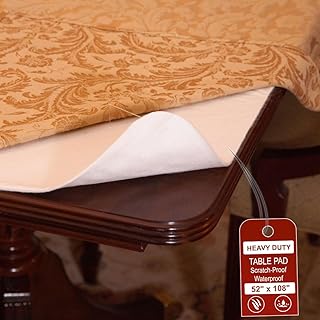
A generous 52″ x 108″ cushioned vinyl pad that trims easily with scissors, making it a smart, budget-conscious choice for long or unusually sized tables. Waterproof and thick enough to feel substantial under a tablecloth rather than papery.
Heavy-Duty Vinyl Table Protector with Flannel Backing
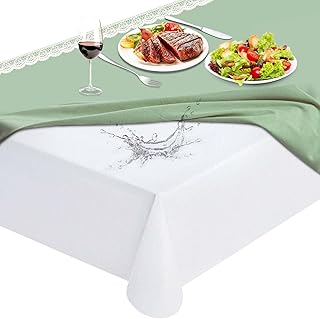
At 90″ x 54″, this covers most standard rectangular tables, and the flannel backing keeps it from creeping when someone leans in or slides a chair. Straightforward, waterproof, everyday protection at a reasonable price.
Reversible Dining Table Protector Pad
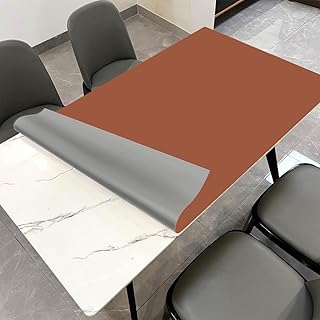
Usable on either side in brown or gray and sized at 54″ x 98″, it stays impressively flat out of the box — a common weak point with rolled vinyl. Easy to wipe down, which makes it a sensible pick for households with young children.
Frequently Asked Questions
Do I still need a tablecloth over a table pad?
Not for protection — the pad handles that. A cloth is purely aesthetic, though most padded protectors are designed to sit discreetly underneath one.
Will a pad damage my table’s finish?
Quality pads with flannel or felt backing won’t. Avoid leaving any pad on a freshly refinished surface for several weeks, and lift it occasionally to let the finish breathe.
Can I put a hot pan directly on the pad?
Only on a custom pad with a high stated heat rating. With standard vinyl protectors, use a trivet for cookware coming straight off the stove or out of the oven.
How do I clean one?
Wipe vinyl with a damp cloth and mild soap, then dry fully before storing. Never machine wash or tumble dry — heat warps the vinyl layer permanently.
Final Thoughts
If your table is valuable or irreplaceable, invest in a Custom Table Pad with the magnetic lock system, or the Traditional Custom Table Pads with MagnaLocs if you need leaf coverage included. For everyone else, the LAMINET Deluxe Cushioned Table Pad Protector delivers the best balance of cushioning, waterproofing, and value — and a quieter, calmer dinner table into the bargain.