Key takeaways
- Water-based vs. oil-based: Water-based formulas carry far less solvent, clear the air within hours, and dry crystal clear. Oil-based versions are tougher and add a warm amber cast, but the odor lingers and demands real ventilation planning.
- Odor and cure timeline: Read the recoat window, then double it in your head. Plan the project so the strongest off-gassing happens on mornings you can leave windows open, not the night before an early start.
- Sheen level: Gloss reflects light beautifully but broadcasts every fingerprint and scratch. Satin and semi-gloss hide daily wear and diffuse overhead light instead of bouncing glare into your eyes at dinner.
- Coats required: Standard formulas want three thin coats; thick self-leveling products claim one. Fewer coats means fewer days of drying, which is a genuine quality-of-life factor in an occupied home.
- Application method: Brush-on gives maximum build for heavy-use tabletops. Wipe-on is slower to build but nearly foolproof, with no brush marks and no dust nibs to sand out.
What's inside
Refinishing a dining table sounds like a straightforward weekend job until you’re standing in the aisle holding two nearly identical cans, trying to work out which one won’t leave your home smelling like a chemistry lab for a week. That smell matters more than most guides admit. Solvent fumes drift from the dining room into bedrooms through shared air, and even mild irritation of the eyes, nose, and throat is enough to fragment sleep and leave you groggy the next morning. As someone who spends most of my working life helping people troubleshoot their sleep environments, I’ve lost count of the clients whose “random bad week” traced back to a home improvement project two rooms away.
So this guide looks at dining table finishes through two lenses at once: how well they resist wine rings, hot plates, and elbows, and how disruptive they are to live with while they cure. Below you’ll find the finishes I recommend most often, a short framework for choosing between water-based and oil-based products, honest notes on odor and cure time, and answers to the questions that come up again and again. Durability first, but never at the cost of a fortnight of restless nights.
As an Amazon Associate we earn from qualifying purchases.


🛒 Best Price Today on Amazon
Prime members get fast, free shipping on everything above, plus member-only deals. New members get a 30-day free trial — cancel anytime.
How to Choose a Polyurethane For Dining Table (2026)
- Water-based vs. oil-based: Water-based formulas carry far less solvent, clear the air within hours, and dry crystal clear. Oil-based versions are tougher and add a warm amber cast, but the odor lingers and demands real ventilation planning.
- Odor and cure timeline: Read the recoat window, then double it in your head. Plan the project so the strongest off-gassing happens on mornings you can leave windows open, not the night before an early start.
- Sheen level: Gloss reflects light beautifully but broadcasts every fingerprint and scratch. Satin and semi-gloss hide daily wear and diffuse overhead light instead of bouncing glare into your eyes at dinner.
- Coats required: Standard formulas want three thin coats; thick self-leveling products claim one. Fewer coats means fewer days of drying, which is a genuine quality-of-life factor in an occupied home.
- Application method: Brush-on gives maximum build for heavy-use tabletops. Wipe-on is slower to build but nearly foolproof, with no brush marks and no dust nibs to sand out.
The Best Polyurethane For Dining Table (2026)s Reviewed
Varathane Water-Based Ultimate Gloss Polyurethane
This is my standard suggestion for anyone finishing furniture inside a lived-in home, because the low-solvent formula means the room is comfortable again within an hour or two rather than the next day. It dries genuinely clear, so pale oak and maple keep their natural tone instead of turning yellow.
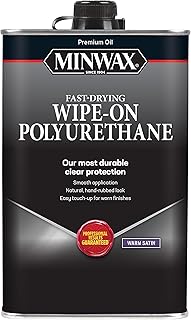
Minwax Fast Drying Polyurethane, Warm Satin
An oil-based classic that delivers the hard, water-resistant film a dining table really needs, with a soft satin sheen that forgives crumbs and scuffs. The tradeoff is a strong odor, so treat this as a garage or open-window project and keep bedroom doors closed until it’s fully cured.
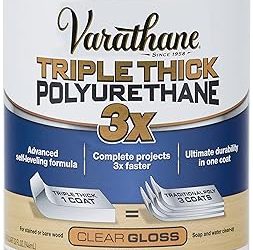
Varathane Triple Thick Polyurethane Gloss
One coat replaces roughly three, which is a meaningful advantage when you want your dining room back quickly and your evenings undisturbed. The self-leveling formula smooths itself out well, though it’s best on horizontal surfaces where gravity works in your favor.
Minwax Fast Drying Polyurethane, Clear Semi-Gloss
The same durable oil-based film as the satin version, but clear rather than warm-toned and with a touch more shine. Choose this when you’ve stained the wood a color you like and don’t want any additional amber shift over the top.
Minwax Polycrylic Protective Finish, Satin
A water-based, notably low-odor option that lays down thin and dries fast, making it ideal for interior work in tight quarters or upstairs rooms. Build at least three coats on a dining surface, since each layer is lighter than an oil-based equivalent.
Frequently Asked Questions
How long before it’s safe to sleep in the house?
With water-based finishes, most people are comfortable the same evening provided the room has been ventilated. Oil-based products need a full day or more of airflow, and sensitive sleepers should allow two to three days before spending a night nearby.
Does polyurethane keep off-gassing after it feels dry?
Yes, though at rapidly diminishing levels. Dry to the touch is not fully cured, so keep the room ventilated for several days after the last coat, especially with oil-based formulas.
How many coats does a dining table need?
Three for standard water- or oil-based products, sanded lightly between coats. Thick self-leveling formulas can achieve similar protection in a single pass.
Will water-based finish hold up to daily meals?
Modern water-based polyurethanes are substantially tougher than their reputation suggests and handle family dining well. Use coasters under hot dishes regardless of which product you choose.
Final Thoughts
For most homes, the Varathane Water-Based Ultimate is the sensible starting point: hard-wearing, crystal clear, and gentle enough on indoor air that your sleep schedule survives the project intact. If you want maximum durability and can ventilate properly, the Minwax Fast Drying Warm Satin remains the benchmark, while Varathane Triple Thick is the one to reach for when you need the job finished in a single day.