Our Top Picks


Stuffed animals multiply. One birthday and one holiday later, a child’s bed is buried and the floor is covered. Good stuffed animal storage keeps the collection tidy, lets kids see and reach their favorites, and fits the room without taking over. The best option depends on how many plush toys there are, how much floor space you have and how involved your child is in tidying up.
Storage options compared
| Type | Capacity | Space used | Kid-friendly | Notes |
|---|---|---|---|---|
| Stuffed animal bean bag cover | High | Floor seat | Very | Fill with plush toys; doubles as a seat |
| Hanging net or hammock | Medium | Corner or wall, no floor | Medium | Toys on display; out of reach of toddlers |
| Tall mesh or rope zoo-style holder | High | Small floor footprint | Very | Kids can see and pull out toys through bars |
| Fabric bins and baskets | Medium | Shelves or floor | Very | Easy cleanup, toys hidden |
| Toy chest or bench | High | Floor, doubles as seating | Medium | Choose safety hinges |
| Over-the-door organizer | Low to medium | None | Medium | Good for small plush |
Bean bag storage covers
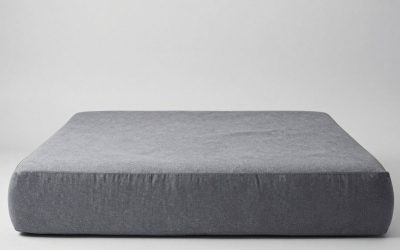
A stuffed animal bean bag is an empty, zippered cover that you fill with plush toys instead of foam. It stores dozens of toys and turns them into a soft reading seat. It is one of the most space-efficient options because it uses floor space you would give to a chair anyway. Choose a cover with a child-safe zipper (hidden or lockable), washable fabric, and a size that fits the collection. Compare stuffed animal bean bag covers by size.
Display options: nets and zoo holders
Hanging nets in a corner keep toys off the floor and turn them into a playful display. They work best for kids old enough to ask for a toy, since high nets are out of reach for small children. Install them into studs or with anchors rated for the weight. Tall freestanding holders with flexible bars (often called toy zoos) let kids see every toy and pull favorites out themselves, which makes cleanup easier. Some holders have adjustable straps to keep toys from spilling. See stuffed animal zoo holders.
Small rooms and shared spaces
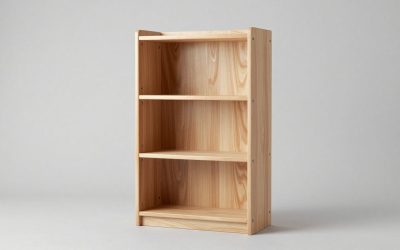
When floor space is tight, go vertical: wall nets, over-the-door pockets and tall narrow holders. A bookshelf with a fabric bin for plush on the bottom shelf combines books and toys in one footprint. Under-bed bins with wheels store toys that are not in rotation.
Rotate the collection
Many parents find that keeping only some plush toys out and storing the rest makes kids play with them more. Every month or two, swap a bin of stored animals with those on display. It also reduces clutter without forcing a child to give away favorites.
Safety notes
- Choose toy chests with slow-close or safety hinges to protect fingers.
- Anchor tall holders and shelves to the wall to prevent tipping.
- Avoid nets low enough for a toddler to get tangled in.
- Keep bean bag zippers secured so small children cannot climb inside.
Which storage suits you
Huge collection: bean bag cover or a large zoo-style holder. Small bedroom: wall net or over-the-door organizer. Toddler: low fabric bins on the floor. Child who likes to display favorites: a corner net or shelf with a few plush on top.
FAQ
How do I store a lot of stuffed animals?
A bean bag storage cover or a tall zoo-style holder holds dozens of toys in a small footprint.
Are hanging stuffed animal nets safe?
Yes if mounted securely and hung high enough that young children cannot get tangled.
Can I wash a stuffed animal bean bag cover?
Many covers are machine washable; check the label and empty it first.
How can I reduce stuffed animal clutter?
Rotate toys, storing some away and swapping them every few weeks.