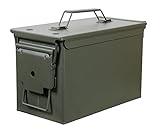
When it comes to heavy-duty organizational containers, few options rival the legendary durability of metal ammo cans. Originally designed to protect sensitive military ordnance from moisture, dust, and physical impact, these rugged steel containers have evolved into a go-to storage staple for homeowners looking to safeguard everything from important documents and family heirlooms to emergency gear, tools, and craft supplies in 2026. Their reputation for indestructibility is well-earned, but not all metal cans on the market are manufactured to the same rigorous standards.
Choosing the right metal ammo can for your home organization project requires looking beyond the classic aesthetic and military surplus appeal. Factors like steel gauge, rubber gasket condition, latch design, and interior dimensions dictate whether a can will keep your items pristine for decades or succumb to rust and moisture intrusion. This decision guide breaks down the core specifications that actually matter, helping you make an informed investment that protects your valuables from the elements.
As an Amazon Associate we earn from qualifying purchases at no extra cost to you.
Understanding Steel Gauge and Wall Thickness
The foundation of any quality metal ammo can is the steel used to construct its body and lid. Most military-spec cans utilize carbon steel, which provides exceptional structural rigidity and impact resistance. When shopping for storage, pay close attention to the metal thickness, as thinner budget imports can dent easily under heavy loads or stack pressure. A robust wall prevents warping when multiple cans are stacked vertically in a closet or garage shelving unit. Furthermore, inspect the construction seams; true military surplus and premium aftermarket cans feature precision spot-welding and folded seams that eliminate sharp edges and reinforce structural integrity against drops.
Evaluating Gasket Quality and Airtight Seals
The defining feature that separates an ammo can from a standard toolbox is its weather-resistant seal. Inside the rim of the lid, you will find a rubber O-ring or flat rubber gasket designed to compress tightly when the latch is engaged. Over time, particularly with older military surplus units, this rubber can dry out, crack, or flatten out of shape, compromising the airtight and waterproof barrier. If you are purchasing surplus cans, always inspect the gasket for pliability. A healthy gasket should bounce back when pressed and form a complete, uninterrupted loop around the perimeter of the lid channel.
Latch Mechanism and Compression Tension
A secure closure is entirely dependent on the hinged lever latch system located on the side of the can. This mechanism relies on mechanical advantage to pull the lid downward, heavily compressing the rubber gasket against the steel body. When evaluating a can, the latch should snap firmly into the locked position with distinct resistance, ensuring that the seal remains compressed under vibration or accidental bumps. Flimsy latches that lock too loosely will fail to keep out ambient humidity and pests, while excessively stiff latches might require excessive force or specialized tools to open safely.
Sizing Guide: Matching Cans to Your Storage Items
Metal ammo cans come in several standardized military designations, with the most common being the .30 caliber (often designated PA108) and the .50 caliber (designated M2A1). The .30 caliber can is narrower and lighter, making it ideal for storing smaller items like batteries, loose hardware, photography gear, or first-aid supplies without becoming too heavy to lift comfortably. The larger .50 caliber can offers a wider footprint and greater vertical clearance, perfect for bulkier tools, larger emergency rations, and electronics. Consider your weight limitations before buying larger cans, as a fully loaded steel container can quickly exceed safe lifting thresholds.
Surface Finishes and Rust Prevention
Traditional ammo cans feature a heavy-duty painted or powder-coated exterior, usually in olive drab, black, or flat dark earth, which serves as the first line of defense against atmospheric corrosion. However, budget-friendly aftermarket cans sometimes skimp on interior coating, leaving raw steel exposed to any residual moisture trapped inside the container. Look for cans that feature a complete rust-inhibiting coating on both the inside and outside surfaces. If you discover minor surface rust on a surplus find, it can typically be cleaned and treated with a rust converter before putting the container back into active service.
Common Buying Mistakes to Avoid
One of the most frequent mistakes buyers make is purchasing strictly based on the lowest price tag without verifying whether the can is truly water-resistant. Another common pitfall is ignoring the interior dimensions in favor of external measurements; the internal storage space is always slightly reduced due to the lid overhang, latch hardware, and rounded bottom corners. Additionally, buyers often underestimate the cumulative weight of their stored items, filling large cans to the brim with dense objects until the handles pull away from the body or strain the user’s back during transport.
When to Invest in Premium Heavy-Duty Cans
While military surplus cans offer incredible value and authentic character, brand-new commercial heavy-duty cans often make more sense for long-term indoor storage where aesthetic consistency matters. Premium manufactured cans usually feature flawless rubber gaskets, perfectly aligned hinges, and modern powder-coating that will not flake off onto your stored goods. If you are storing irreplaceable paperwork, vintage electronics, or gear that requires absolute moisture isolation, spending slightly more on a certified waterproof commercial container provides invaluable peace of mind.
Related Guides
If you are expanding your organizational systems beyond heavy-duty steel containers, we have evaluated numerous other home solutions. For a comprehensive look at top-tier steel options, read our Best Metal Ammo Cans for Storage in 2026: Compared and Ranked. If you are upgrading your bedroom wardrobe setup, check out the Best Closet Islands with Drawer Storage in 2026: Compared and Ranked for central accessory organization. For moisture-prone areas around the house, our guide on the Best Bathroom under Sink Organizers and Storage in 2026: Compared and Ranked offers fantastic insights into keeping daily essentials tidy and accessible.
FAQ
Are metal ammo cans completely waterproof?
High-quality metal ammo cans featuring an intact, pliable rubber gasket are highly water-resistant and can withstand rain, splashes, and brief accidental submersions. However, they are generally rated for moisture and dust protection rather than permanent underwater deployment. Regularly inspecting the rubber seal ensures the waterproof integrity remains intact over years of use.
Can I stack metal ammo cans safely?
Yes, metal ammo cans are specifically designed with interlocking rims on the lid and bottom to allow safe vertical stacking. This feature prevents the stacked cans from sliding off one another, making them exceptionally space-efficient for closet floors or garage shelving. Always place heavier, larger cans on the bottom of the stack to maintain a low center of gravity.
How do I clean and maintain old surplus ammo cans?
To restore a surplus metal can, start by washing the exterior with mild soap and warm water to remove dirt and old residue. If you encounter minor rust spots, gently scrub them away with fine steel wool and treat the area with a rust inhibitor before wiping it down. Finally, apply a light coat of silicone oil to the rubber gasket to keep it soft and prevent dry rot.
What is the difference between .30 caliber and .50 caliber cans?
The primary difference lies in their overall dimensions and internal volume. The .30 caliber can is narrower and lighter, making it ideal for smaller items and easier portability. The .50 caliber can provides a wider and deeper interior compartment, accommodating bulkier gear while remaining manageable to lift when loaded.