Key takeaways
- Pressure over pad size: A wide mop head cleans tile faces quickly, but grout needs a concentrated jet. Prioritise models with a detail nozzle or a canister design that forces steam through a narrow aperture — that velocity is what lifts soil out of the recessed lines.
- Temperature you can verify: Look for a stated output figure, ideally 230°F or higher. Vague “hot steam” claims tell you nothing, and cooler mist tends to wet grout without dislodging anything from it.
- Tank capacity versus your square footage: A 350ml reservoir suits a single bathroom; open-plan kitchens and hallways demand an XL tank unless you enjoy refill trips. Larger tanks add weight, so match the size to the actual job.
- Detachable handheld function: Grout does not stop at the floor. Shower walls, backsplashes, and tub surrounds harbour the same biofilm, and a unit that converts to a handheld lets you treat the entire wet room in one session.
- Nylon brushes plus washable pads: Stiff bristles supply the mechanical agitation steam alone cannot. Confirm the pads are machine washable and that replacements remain easy to source, or running costs climb quickly.
What's inside
Grout is porous, and that is the whole problem. Tile itself shrugs off spills, but the narrow channels between each piece behave like a sponge, absorbing mop water, skin cells, pet dander, and the fine grit tracked in from outside. Scrub with a cloth and dish soap and you mostly relocate that residue rather than remove it. Over months, the lines darken, the bathroom develops a faint mildew smell, and the room begins working against you — particularly at night, when a bedroom or ensuite with elevated dust and mould spore counts can nudge you toward congestion, throat irritation, and the fragmented, shallow sleep that follows.
I approach floors the way I approach mattresses and pillow covers: as part of the air you breathe for eight hours a night. Pressurised steam at roughly 200–250°F loosens embedded soil and denatures a good share of surface bacteria and mould without introducing fragranced chemicals that can irritate airways. This guide covers what genuinely matters when shopping for tile and grout — steam temperature, nozzle pressure, detail attachments, tank capacity — and then walks through five machines worth your money in 2026, from full canister systems to lightweight two-in-one units.
As an Amazon Associate we earn from qualifying purchases.




🛒 Best Price Today on Amazon
Prime members get fast, free shipping on everything above, plus member-only deals. New members get a 30-day free trial — cancel anytime.
How to Choose a Steam Mop For Tiles And Grout (2026)
- Pressure over pad size: A wide mop head cleans tile faces quickly, but grout needs a concentrated jet. Prioritise models with a detail nozzle or a canister design that forces steam through a narrow aperture — that velocity is what lifts soil out of the recessed lines.
- Temperature you can verify: Look for a stated output figure, ideally 230°F or higher. Vague “hot steam” claims tell you nothing, and cooler mist tends to wet grout without dislodging anything from it.
- Tank capacity versus your square footage: A 350ml reservoir suits a single bathroom; open-plan kitchens and hallways demand an XL tank unless you enjoy refill trips. Larger tanks add weight, so match the size to the actual job.
- Detachable handheld function: Grout does not stop at the floor. Shower walls, backsplashes, and tub surrounds harbour the same biofilm, and a unit that converts to a handheld lets you treat the entire wet room in one session.
- Nylon brushes plus washable pads: Stiff bristles supply the mechanical agitation steam alone cannot. Confirm the pads are machine washable and that replacements remain easy to source, or running costs climb quickly.
The Best Steam Mop For Tiles And Grout (2026)s Reviewed
McCulloch MC1385 Canister Steam Cleaner
The canister format delivers noticeably stronger, more sustained pressure than upright mops, and the 23-piece accessory set includes the small nylon brushes that make short work of neglected grout lines. It is the most capable option here for a whole-home deep clean, provided you accept dragging a canister behind you.
BISSELL PowerFresh 1940A
Variable steam control is the standout feature: dial it low for sealed tile, then push it high over a grimy grout seam without switching tools. The flip-down scrubber and 12-inch path make this the most sensible everyday choice for a family bathroom and kitchen.
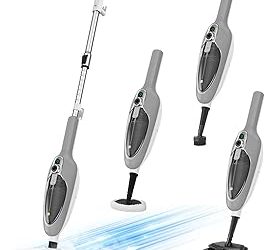
FEPPO Detachable Steam Mop
A 15-second heat-up and 230°F output mean you can steam a shower floor before bed without planning ahead, and detaching the handheld unit gives you reach into corners and up onto tiled walls. Build quality is lighter than the McCulloch, but the versatility per dollar is hard to argue with.
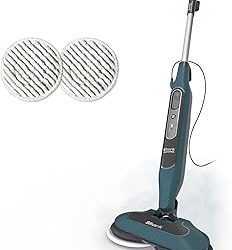
Shark Steam & Scrub S8001
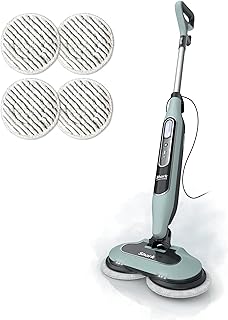
The rotating Dirt Grip pads do the scrubbing for you, which spares your shoulders on large tiled expanses, and the LED headlights genuinely reveal soil you would otherwise walk past. Best suited to broad floor maintenance rather than surgical grout work.
10-in-1 MultiPurpose Handheld Steam Mop
With 11 accessories and a detachable steamer, this is the flexible pick for renters and smaller homes where storage space is scarce. Expect more frequent refills, but the grout brush and squeegee cover the essentials.
Frequently Asked Questions
Can steam damage grout?
Sealed, cured grout in sound condition handles steam well. Avoid prolonged blasting on crumbling or unsealed grout, and hold off entirely for the first month after new installation or resealing.
Does steam cleaning actually reduce allergens?
It helps. High-temperature steam disrupts mould colonies and flushes dust mite debris from crevices, and because it needs no detergent, you avoid adding volatile fragrances to your indoor air.
How often should I steam tiled floors?
Weekly for bathrooms and kitchen zones, monthly with a detail nozzle for the grout itself. Bedroom-adjacent ensuites deserve the tighter schedule.
Should I steam before bed?
Steam raises humidity temporarily. Clean a few hours before you sleep and ventilate the room so moisture levels settle — damp air is its own sleep disruptor.
Final Thoughts
For serious, deeply embedded grout discolouration, the McCulloch MC1385 remains the most powerful tool on this list. The BISSELL PowerFresh 1940A is the balanced pick most households should buy first, and the FEPPO detachable model is the smartest choice if you want floors and shower walls handled by a single machine.