Key takeaways
- Length before width: Aim for a hammock at least four feet longer than your height. Extra length is what allows the deep 30-degree sag and diagonal lay that flattens your spine; a short hammock forces a hard curve no amount of adjustment will fix.
- Bug and weather protection: If you’re sleeping outdoors more than a handful of nights a year, an integrated mosquito net and rainfly system saves weight, setup time, and the 3 a.m. scramble when weather turns. Add-on nets always sag somewhere.
- Suspension quality: Tree straps are non-negotiable — they distribute load across bark and hold their adjustment through the night. Rope suspension creeps, which means you slowly sink and change your lay angle while asleep.
- Fabric weight and breathability: Lighter 70D nylon packs small and dries fast; heavier weaves feel more stable and less clammy on humid nights. Double-layer designs also let you slide in an insulating pad without it sliding out from under you.
- Honest capacity math: Treat quoted weight limits as static ratings, not dynamic ones. Sitting down abruptly or shifting hard multiplies load, so leave meaningful headroom above your body weight plus gear.
What's inside
Most people who try sleeping in a hammock quit after one night, and it’s almost never the hammock’s fault. They hang it like a banana, wake at 2 a.m. with pins and needles in their shoulders, and conclude their spine simply wasn’t built for suspended rest. The frustrating part is that the fix is mostly geometry: sag angle, diagonal body position, and a shelter system that keeps you from being woken by insects or condensation. Get those three right and hammock sleep can rival — and for side-sleepers with hip pressure points, occasionally beat — a decent mattress.
This guide approaches hammocks the way I’d approach any sleep surface for a client: as a tool for staying asleep, not just for lying down. Below you’ll find the models worth considering in 2026, from lightweight backpacking shelters with integrated bug netting to wide double-layer nylon designed for backyard naps and porch nights. I’ve flagged which ones genuinely support overnight sleep versus which are better classified as excellent lounging hammocks, because the difference matters when you’re planning a week on trail.
As an Amazon Associate we earn from qualifying purchases.


🛒 Best Price Today on Amazon
Prime members get fast, free shipping on everything above, plus member-only deals. New members get a 30-day free trial — cancel anytime.
How to Choose a Sleeping Hammock (2026)
- Length before width: Aim for a hammock at least four feet longer than your height. Extra length is what allows the deep 30-degree sag and diagonal lay that flattens your spine; a short hammock forces a hard curve no amount of adjustment will fix.
- Bug and weather protection: If you’re sleeping outdoors more than a handful of nights a year, an integrated mosquito net and rainfly system saves weight, setup time, and the 3 a.m. scramble when weather turns. Add-on nets always sag somewhere.
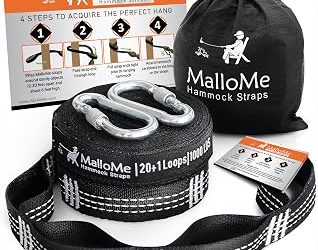
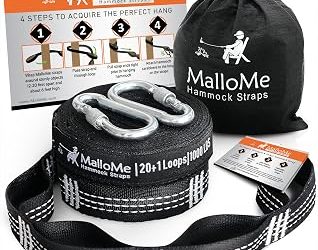
- Suspension quality: Tree straps are non-negotiable — they distribute load across bark and hold their adjustment through the night. Rope suspension creeps, which means you slowly sink and change your lay angle while asleep.
- Fabric weight and breathability: Lighter 70D nylon packs small and dries fast; heavier weaves feel more stable and less clammy on humid nights. Double-layer designs also let you slide in an insulating pad without it sliding out from under you.
- Honest capacity math: Treat quoted weight limits as static ratings, not dynamic ones. Sitting down abruptly or shifting hard multiplies load, so leave meaningful headroom above your body weight plus gear.
The Best Sleeping Hammocks Reviewed
3-in-1 Camping Hammock Tent with Mosquito Net & RainFly (Dark Green)
This is the most complete out-of-the-box sleep system here: hammock, no-see-um netting, and a waterproof fly that actually extends past the ridgeline rather than teasing the edges. For anyone whose sleep quality collapses at the first mosquito whine, the integrated net is worth more than any comfort feature.
ENO DoubleNest Lightweight Camping Hammock
ENO’s DoubleNest remains the benchmark for build quality — triple-stitched seams, consistent fabric tension, and hardware that inspires confidence after several seasons of use. It’s a lounging hammock that sleeps beautifully once you pair it with proper straps and a bug net, and the generous width makes the diagonal lay effortless.
Lightweight Double Camping Hammock (772 lb Capacity)
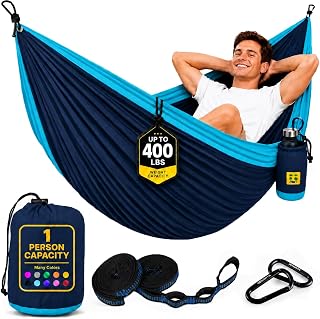
The headline capacity means you can share it for an evening without the fabric feeling stressed, and the roomy cut gives taller sleepers the length they need to lie flat-ish. A strong value pick for backyard and porch sleeping where packability matters less than sheer surface area.
SZHLUX Camping Hammock with 2 Tree Straps
Bundled tree straps and an attached carry bag remove the two most common beginner obstacles: bad suspension and a lost stuff sack. Setup is genuinely quick, which matters more than most buyers realize — a hammock you can hang in 90 seconds is one you’ll actually use on weeknights.
Flat Lay Camping Hammock Tent with Mosquito Net & RainFly
The flat-lay geometry is the standout feature, reducing shoulder squeeze and calf ridge pressure that keep restless sleepers turning all night. If you’re transitioning from a mattress and want the smallest adjustment period, start here.
Frequently Asked Questions
Is sleeping in a hammock every night bad for your back?
There’s no evidence it’s harmful for healthy adults, and many people with lower-back discomfort report relief from the gentle, pressure-point-free suspension. If you have a diagnosed spinal condition, check with your clinician first.
What’s the correct hang angle?
Roughly 30 degrees from horizontal on each strap, with the fabric sitting deep rather than pulled taut. A drum-tight hammock is the single most common cause of a miserable first night.
Do I still need a sleeping pad or underquilt?
Yes, below about 70°F. Air moving underneath strips heat far faster than ground contact does, and cold-shoulder wake-ups are the usual reason people abandon hammock camping.
Can two people sleep in a double hammock overnight?
Comfortably, rarely. Doubles are sized for shared lounging; overnight, both sleepers roll toward the centerline and neither gets a proper diagonal lay.
Final Thoughts
For genuine overnight sleep in the backcountry, the Flat Lay Camping Hammock Tent gives you the most sleep-friendly geometry with weather protection built in, while the 3-in-1 Dark Green model is the better buy if bug pressure is your primary problem. If your nights are spent on a porch or in a backyard and durability matters more than pack size, the ENO DoubleNest is still the one I’d expect to outlast everything else on this list.