Key takeaways
- Sliding vs. fixed: A fixed compound saw handles trim, cleats, and legs beautifully at a lower price. If you plan to cut bed rails, wide headboard panels, or 1×12 case sides, a slider’s extra crosscut width saves you from flipping stock and hoping the second pass lines up.
- Single vs. dual bevel: Single bevel means tilting one direction and rotating your workpiece for the mirrored cut. Dual bevel tilts both ways, which matters most for crown, baseboard, and mitered box corners — think plinths, drawer boxes, and picture-frame panels.
- Cut line indication: Shadow-line systems project the blade’s actual silhouette onto your pencil mark, which is more reliable than a laser you have to recalibrate. Lasers still work well; just verify alignment before trusting them on final cuts.
- Fence height and detents: Look for a tall, flat fence and firm positive stops at the common angles. Detents that click crisply and hold under clamping pressure are the difference between tight miters and filler.
- Noise and dust reality: Universal motors on budget saws are loud. If you’re working in an apartment or near sleeping children, plan cuts for daytime, wear hearing protection, and attach a shop vacuum — bag-only collection leaves fine dust airborne long after you’ve finished, and that dust follows you indoors.
What's inside
Anyone who has ever built a bed frame, a nightstand, or a set of blackout-shutter frames knows the moment where enthusiasm meets reality: the cut list. Crosscuts that wander a degree off square turn into gaps at the headboard joints, drawer fronts that sit proud, and a wardrobe door that whispers against its frame all night. As someone who spends most of my working life thinking about what makes a bedroom restful — quiet joinery, solid frames that don’t creak at 3 a.m., furniture proportioned to the room rather than the showroom — I’ve come to see the miter saw as a sleep-quality tool as much as a woodworking one. A rickety cut is a rattle waiting to happen.
The problem is that “affordable miter saw” covers everything from genuinely capable machines to models that fight you on every pass. This guide sorts through the value end of the 2026 market: which saws hold an accurate 90 degrees out of the box, which ones have the crosscut capacity for real bed rails and case sides, and where spending a little more actually buys quieter, cleaner, more repeatable results. Below you’ll find the current picks, followed by buying criteria, individual reviews, and answers to the questions I get asked most often by people building their own bedroom furniture.
As an Amazon Associate we earn from qualifying purchases.



🛒 Best Price Today on Amazon
Prime members get fast, free shipping on everything above, plus member-only deals. New members get a 30-day free trial — cancel anytime.
How to Choose a Best-Price Miter Saw (2026)
- Sliding vs. fixed: A fixed compound saw handles trim, cleats, and legs beautifully at a lower price. If you plan to cut bed rails, wide headboard panels, or 1×12 case sides, a slider’s extra crosscut width saves you from flipping stock and hoping the second pass lines up.
- Single vs. dual bevel: Single bevel means tilting one direction and rotating your workpiece for the mirrored cut. Dual bevel tilts both ways, which matters most for crown, baseboard, and mitered box corners — think plinths, drawer boxes, and picture-frame panels.
- Cut line indication: Shadow-line systems project the blade’s actual silhouette onto your pencil mark, which is more reliable than a laser you have to recalibrate. Lasers still work well; just verify alignment before trusting them on final cuts.
- Fence height and detents: Look for a tall, flat fence and firm positive stops at the common angles. Detents that click crisply and hold under clamping pressure are the difference between tight miters and filler.
- Noise and dust reality: Universal motors on budget saws are loud. If you’re working in an apartment or near sleeping children, plan cuts for daytime, wear hearing protection, and attach a shop vacuum — bag-only collection leaves fine dust airborne long after you’ve finished, and that dust follows you indoors.
The Best Price Miter Saws (2026) Reviewed
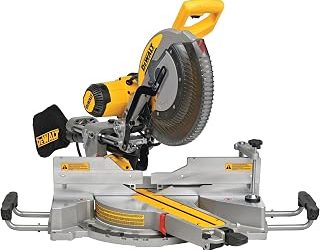
DEWALT 12-Inch Double Bevel Sliding (DWS780)
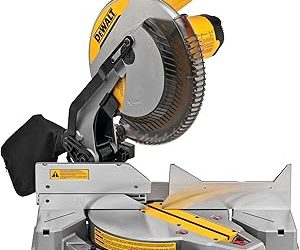
This remains the reference point for serious home furniture work: generous crosscut capacity, dual bevel, and the XPS shadow light that eliminates guesswork on marked lines. It costs more than the rest here, but if you’re building multiple pieces it will outlast the projects.
DOVAMAN 12-Inch Dual-Bevel Sliding Miter Saw
A strong value proposition — 15-amp motor, dual bevel, and a 4.2 x 13-inch capacity that covers most bed rails and case parts in one pass. Check and set the 90-degree stop and fence squareness before your first real cut, then it holds well.
SKIL 10″ Dual Bevel Sliding (MS6305-00)
The 10-inch slider sweet spot: dual bevel convenience and slide capacity in a footprint that fits a small garage or balcony workshop. Ideal if you’re making nightstands, floating shelves, and trim rather than dimensioning wide slabs.
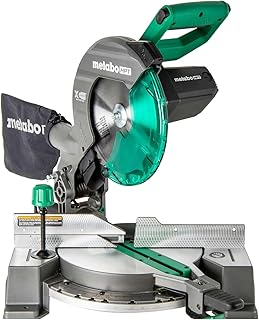
Metabo HPT 10-Inch Single Bevel Compound (C10FCG2)
Genuinely light, genuinely accurate, and pleasantly straightforward — the Xact Cut shadow line is unusual at this price. Choose it if you want a trustworthy trim-and-legs saw you can carry upstairs one-handed.
DOVAMAN Updated 10-Inch Sliding Miter Saw
Dual-speed operation and three included TCT blades make this the most flexible pick for mixed materials, including aluminum bed-frame hardware and laminate panels. The 3.5 x 13.4-inch capacity is impressive for a 10-inch machine.
Frequently Asked Questions
Do I need a 12-inch saw for bedroom furniture?
Rarely. A 10-inch slider handles nearly all bed, nightstand, and shelving stock. Twelve-inch models earn their keep on thick posts and tall baseboard cut vertically against the fence.
How do I keep the noise down?
You can’t quiet the motor much, but you can shorten exposure: batch all your cuts in one session, use a sharp blade with more teeth, and never cut during anyone’s sleep window. Sharp blades cut faster and scream less.
Is a laser guide good enough?
Yes, provided you confirm it against a test cut in scrap. Shadow-line systems are less fussy because there’s nothing to calibrate.
What’s the first upgrade to make?
A quality 60- to 80-tooth crosscut blade. It improves finish quality more than any other single change, especially on plywood and pre-finished panels.
Final Thoughts
If you want one saw that will carry you through a full bedroom build without argument, the DEWALT DWS780 is the safe long-term choice. For tighter budgets, the DOVAMAN 12-Inch Dual-Bevel Slider delivers remarkable capacity for the money, while the Metabo HPT C10FCG2 is the pick for anyone prioritizing portability and clean, no-nonsense accuracy in a small space.