Key takeaways
- Start with a shallow head lift: Side sleepers do best between 5 and 15 degrees at the head. Anything steeper folds the torso sideways at the ribs and pinches the down-facing shoulder. If you need more elevation for reflux or apnea, add it gradually over a week so your shoulder joint adapts.
- Pair it with a modest foot lift: Raising the legs 5 to 10 degrees stops your body from sliding down the incline, which is the hidden reason many people wake up crumpled. This mild “cradle” also relieves lumbar tension by letting the pelvis settle into neutral.
- Check zero gravity behavior on your side: Zero gravity is marketed for back sleepers, but a softened version works beautifully laterally. Look for bases with programmable memory positions so you can save your own dialed-back variant rather than using the factory preset.
- Match the mattress to the base: A base only articulates as well as what sits on it. Side sleepers generally want medium to medium-soft foam or hybrid construction with enough give at the shoulder and hip; overly firm mattresses resist bending and create pressure ridges at the hinge points.
- Consider positioning wedges before replacing everything: Body positioners and wedge pillows solve rotation and roll-back issues that no motor can fix, and they’re the practical choice post-surgery, during pregnancy, or when caring for someone with limited mobility.
Side sleeping is the most popular sleep posture in the world, and also the one most likely to leave you with a numb arm, an aching hip, or a shoulder that clicks when you reach for your coffee. The culprit usually isn’t the position itself — it’s the flat, unyielding plane most of us sleep on. Lying on your side creates a natural gap under the waist and forces the shoulder to absorb body weight it was never designed to carry for eight hours. An adjustable base changes the geometry of that equation, but only if you know which angles actually help and which ones quietly make things worse.
This guide breaks down the specific head and foot elevations that work best for side sleepers, then reviews the bases and positioning aids that make those angles achievable. You’ll find full adjustable frames for people ready to replace their setup entirely, plus wedges and body positioners for anyone who wants targeted support without a new bed. Each pick is assessed on how well it supports lateral spinal alignment, shoulder pressure relief, and the small comforts — quiet motors, reachable USB ports — that determine whether you actually use the features you paid for.
Our top picks



As an Amazon Associate we earn from qualifying purchases at no extra cost to you. Ratings are shown as listed on Amazon.
🛒 Best Price Today on Amazon
Prime members get fast, free shipping on everything above, plus member-only deals. New members get a 30-day free trial — cancel anytime.
How to Choose a Position To Put Adjustable Bed For Side Sleepers (2026)
- Start with a shallow head lift: Side sleepers do best between 5 and 15 degrees at the head. Anything steeper folds the torso sideways at the ribs and pinches the down-facing shoulder. If you need more elevation for reflux or apnea, add it gradually over a week so your shoulder joint adapts.
- Pair it with a modest foot lift: Raising the legs 5 to 10 degrees stops your body from sliding down the incline, which is the hidden reason many people wake up crumpled. This mild “cradle” also relieves lumbar tension by letting the pelvis settle into neutral.
- Check zero gravity behavior on your side: Zero gravity is marketed for back sleepers, but a softened version works beautifully laterally. Look for bases with programmable memory positions so you can save your own dialed-back variant rather than using the factory preset.
- Match the mattress to the base: A base only articulates as well as what sits on it. Side sleepers generally want medium to medium-soft foam or hybrid construction with enough give at the shoulder and hip; overly firm mattresses resist bending and create pressure ridges at the hinge points.
- Consider positioning wedges before replacing everything: Body positioners and wedge pillows solve rotation and roll-back issues that no motor can fix, and they’re the practical choice post-surgery, during pregnancy, or when caring for someone with limited mobility.
The Best Position To Put Adjustable Bed For Side Sleepers (2026)s Reviewed
Sven & Son Harmony Adjustable Bed Base (Queen)
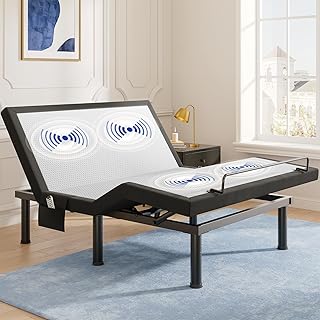
The Harmony is the most complete package here for side sleepers, largely because its memory presets let you store a gentle 10-degree head and 8-degree foot combination and return to it every night without fiddling. Under-bed lighting and USB charging are genuinely useful for anyone who wakes at 3 a.m., and the massage function targets the lumbar zone where lateral sleepers tend to hold tension.
Tami Tami T600 Adjustable Bed Frame (Queen)
A strong value option with a notably quiet motor — worth emphasizing, since a loud base wakes your partner every time you reposition. The dual-side USB ports and side pockets suit couples who both adjust independently, and the five-minute assembly claim is close to accurate for two people.
Celestial Aurora Adjustable Base + 12″ Gel Memory Foam Mattress (Twin XL)
Buying the base and mattress together removes the guesswork about compatibility, and the medium-soft, CertiPUR-US certified foam is well judged for lateral sleepers who need the shoulder to sink rather than perch. The Twin XL sizing makes it a smart pick for split-king setups where partners want independent angles.
Fanwer 3-in-1 Positioning Wedge Pillow
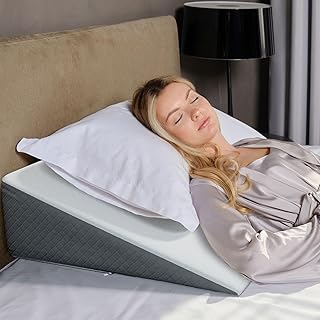
This 40-degree triangle system is designed for clinical situations — pressure injury prevention, post-operative positioning, elevated knees — and it excels at holding a true side-lying angle rather than letting the body drift toward supine. The three-piece configuration gives caregivers real flexibility without buying separate products.
Kolbs Bed Wedge Pillow
At 7.5 inches, this wedge delivers roughly the shallow incline side sleepers should be targeting, making it the sensible entry point if you’re testing whether elevation helps before investing in a motorized base. The jacquard cover looks far better than typical medical foam, and FSA eligibility offsets the cost for reflux or apnea sufferers.
Frequently Asked Questions
What is the ideal adjustable bed angle for side sleeping?
Aim for a head elevation of 5 to 15 degrees with a foot elevation of 5 to 10 degrees. This keeps the spine in a straight lateral line while preventing downhill sliding. Steeper head angles are appropriate only when a medical need outweighs the shoulder compression they cause.
Can side sleepers use the zero gravity preset?
Yes, but usually in a reduced form. The standard preset elevates both head and knees more aggressively than lateral sleeping tolerates, so use a base with memory positions and save a shallower custom version instead.
Do I need a special mattress for an adjustable base?
You need one that flexes — most all-foam and many hybrid mattresses qualify, while traditional innerspring models with rigid perimeter coils generally don’t. Side sleepers should prioritize medium to medium-soft firmness so the shoulder and hip can settle without bottoming out.
Will an adjustable bed fix my shoulder pain?
It can reduce it substantially by offloading weight and improving alignment, but the base is only one variable. Pillow height, mattress feel, and arm placement matter just as much, and persistent pain deserves a clinical assessment rather than a hardware upgrade alone.
Final Thoughts
For side sleepers who want the full range of adjustment with presets worth saving, the Sven & Son Harmony is the strongest overall choice, with the Tami Tami T600 close behind at a friendlier price and a genuinely quiet motor. If you’d rather test the concept first — or you’re managing recovery, pregnancy, or caregiving — start with the Kolbs Bed Wedge for its side-sleeper-appropriate 7.5-inch incline, then scale up once you know which angle your body prefers.