Key takeaways
- Comfort level over coil count: Side sleepers need the top few inches of the mattress to compress under the shoulder and hip. A medium-soft build almost always outperforms a firm one here, so treat “medium firm” as the ceiling rather than the target unless you weigh over roughly 230 pounds.
- Split configuration if you share the bed: A split king gives each person an independent motor and mattress half. This matters more for side sleepers than anyone else, because your ideal knee lift is unlikely to match your partner’s, and compromise positions defeat the purpose.
- Heat management at the contact points: Deep contouring means more of your body is surrounded by foam rather than exposed to air. Look for gel infusions, breathable covers, or hybrid coil units that let warm air move laterally instead of pooling under your hip.
- Zero-gravity and lumbar articulation: A zero-gravity preset elevates head and legs together to distribute weight broadly. Lumbar support, where available, adds a small upward push at the waist that helps close the gap side sleepers get between mattress and lower spine.
- Motor noise and practical extras: Side sleepers reposition several times a night, so a quiet motor and a backlit or wireless remote you can find without sitting up genuinely affect sleep continuity. USB ports and under-bed lighting are conveniences, not deciding factors.
Side sleeping is the most popular position in the world and also the one most likely to leave you sore. Roughly two-thirds of your body weight lands on one shoulder and one hip, and unless the surface underneath you yields exactly where those pressure points sit, the spine bends into a shallow S and the shoulder joint gets compressed for six or seven straight hours. That is why so many side sleepers wake with a numb arm, a hot ear, or a low back that takes twenty minutes to loosen up. Flat beds simply cannot solve a problem created by uneven load distribution.
An adjustable base changes the geometry. Lifting the knees a few degrees rotates the pelvis and takes tension off the lumbar spine; a slight head incline opens the airway and reduces reflux, which matters because side sleepers who snore often end up rolling onto their backs mid-night and losing the position entirely. This guide breaks down what actually matters when you pair a base with a mattress for side sleeping, then reviews the strongest bed-and-mattress bundles available for 2026 — including split-king options for couples who need independent control.
Our top picks

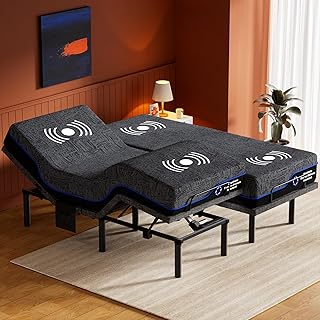


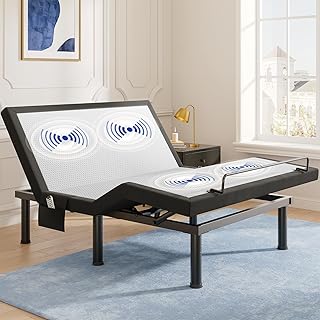

As an Amazon Associate we earn from qualifying purchases at no extra cost to you. Ratings are shown as listed on Amazon.
🛒 Best Price Today on Amazon
Prime members get fast, free shipping on everything above, plus member-only deals. New members get a 30-day free trial — cancel anytime.
How to Choose an Adjustable Bed For Side Sleepers (2026)
- Comfort level over coil count: Side sleepers need the top few inches of the mattress to compress under the shoulder and hip. A medium-soft build almost always outperforms a firm one here, so treat “medium firm” as the ceiling rather than the target unless you weigh over roughly 230 pounds.
- Split configuration if you share the bed: A split king gives each person an independent motor and mattress half. This matters more for side sleepers than anyone else, because your ideal knee lift is unlikely to match your partner’s, and compromise positions defeat the purpose.
- Heat management at the contact points: Deep contouring means more of your body is surrounded by foam rather than exposed to air. Look for gel infusions, breathable covers, or hybrid coil units that let warm air move laterally instead of pooling under your hip.
- Zero-gravity and lumbar articulation: A zero-gravity preset elevates head and legs together to distribute weight broadly. Lumbar support, where available, adds a small upward push at the waist that helps close the gap side sleepers get between mattress and lower spine.
- Motor noise and practical extras: Side sleepers reposition several times a night, so a quiet motor and a backlit or wireless remote you can find without sitting up genuinely affect sleep continuity. USB ports and under-bed lighting are conveniences, not deciding factors.
The Best Adjustable Beds For Side Sleepers (2026) Reviewed
Sven & Son Classic Adjustable Bed Base + 14″ Hybrid Mattress (Split King)
The medium-soft hybrid is the standout here: the spring unit carries your midsection while the gel comfort layer lets the shoulder sink, which is precisely the combination side sleepers need. Split-king independence, head and foot lift, and a zero-gravity preset make it the most complete package on this list for couples with different position preferences.
Amada Split King Adjustable Bed Frame + 14″ Cooling Gel Memory Foam Set
An all-foam split king with strong motion isolation and a genuinely cool-sleeping surface, thanks to the gel-infused comfort layer. The medium-firm feel suits heavier side sleepers or anyone who has found plush foam beds too enveloping, though lighter sleepers may want the softer hybrid instead.
Sven & Son Bliss Adjustable Base + 14″ Hybrid Mattress (Queen)
The Bliss adds lumbar support and pillow-tilt to the Classic formula, and both features punch above their weight for single side sleepers: the lumbar lift closes the waist gap, while pillow-tilt keeps your head aligned instead of tipping forward. The best choice if you sleep alone and want the most adjustability per dollar.
Amada Queen Adjustable Bed Frame + 14″ Cooling Gel Memory Foam Set
The same cooling foam and full head-and-foot articulation as Amada’s split king, sized and priced for a single sleeper or a guest room. Assembly is straightforward and the wireless remote handles massage and incline without fuss.
Tami T600 Adjustable Bed Frame (Queen)
A base-only option for anyone who already owns a mattress they like — a common situation for side sleepers who have finally found the right feel. Five-minute assembly, a notably quiet motor, zero-gravity preset, and dual USB ports make it an easy upgrade path without replacing your sleep surface.
Frequently Asked Questions
What is the best adjustable bed position for side sleeping?
Start with a modest head incline of roughly 10 to 15 degrees and a slight knee lift. The goal is a neutral spine, not a recliner: too much head elevation folds the neck forward and increases shoulder pressure rather than relieving it.
Do I need a special mattress for an adjustable base?
You need one that flexes. Memory foam, latex, and modern hybrids with individually pocketed coils all articulate well; traditional interconnected-coil innersprings do not and can be damaged. All the bundles above are matched sets, which removes the guesswork.
Is a split king worth the extra cost?
If you share a bed, yes. Independent motors mean one partner can elevate for reflux or snoring while the other stays flat, and the split design also isolates motion when someone repositions overnight.
Will an adjustable bed help with shoulder pain?
Indirectly. The base improves spinal alignment and pelvic tilt, but shoulder relief comes mainly from a comfort layer soft enough to let the joint sink in. Pair a slight leg lift with a medium-soft surface and a pillow that fills the gap between ear and shoulder.
Final Thoughts
For most side sleepers sharing a bed, the Sven & Son Classic split king is the pick: the medium-soft hybrid handles shoulder and hip pressure better than anything else here, and each side adjusts independently. Solo sleepers should look at the Sven & Son Bliss queen for its lumbar and pillow-tilt articulation, while anyone who already owns a mattress that works can get most of the benefit from the Tami T600 base alone.