Key takeaways
- Head incline range: Side sleepers rarely want more than 10–20 degrees at the head. Look for a base with fine incremental control near the bottom of its range rather than one that jumps from flat to a steep 45 degrees, which pinches the down-side shoulder forward.
- Independent foot articulation: A 5–15 degree knee lift takes rotational strain off the pelvis and stops the top leg from dragging the lower spine into a twist. Bases that move head and foot together can’t deliver this.
- Memory presets: You will change position two or three times a night. A base that returns to your exact side-sleep angle at the press of one button is far more useful than one you have to feather back into place half-asleep.
- Mattress compatibility: Side sleeping needs enough surface give for the shoulder to sink in. Pair an adjustable base with a flexible 10–14 inch foam or hybrid mattress; a rigid innerspring will fight the articulation and create pressure ridges.
- Lateral stability aids: If you tend to roll onto your back and snore, or you’re recovering from surgery on one side, a positioning wedge or body positioner locks the posture in without asking you to hold tension all night.
Side sleeping is the position most of us gravitate toward, and for good reason — it keeps the airway open and supports lymphatic drainage during the night. The trouble is that a flat mattress asks the shoulder and hip to absorb nearly all of your body weight through two narrow contact points, while the spine sags in the gap between them. That’s the shoulder ache you wake up with, the numb arm at 3 a.m., the hip that protests when you first stand up. An adjustable base changes the geometry of that equation, but only if you know which positions actually serve a side sleeper rather than a back sleeper who happens to roll over.
This guide covers the specific angles that work for lateral sleeping — a modest head incline paired with a slight knee lift, sometimes called a shallow zero-gravity variant — and the hardware that lets you hold those angles reliably. You’ll find full adjustable bases, base-and-mattress bundles, and the positioning wedges that solve the same problem at a fraction of the cost. Each recommendation is judged on how well it stabilizes the shoulder-hip-spine line, not on feature counts.
Our top picks




As an Amazon Associate we earn from qualifying purchases at no extra cost to you. Ratings are shown as listed on Amazon.
🛒 Best Price Today on Amazon
Prime members get fast, free shipping on everything above, plus member-only deals. New members get a 30-day free trial — cancel anytime.
How to Choose a/an Adjustable Bed Position For Side Sleepers (2026)
- Head incline range: Side sleepers rarely want more than 10–20 degrees at the head. Look for a base with fine incremental control near the bottom of its range rather than one that jumps from flat to a steep 45 degrees, which pinches the down-side shoulder forward.
- Independent foot articulation: A 5–15 degree knee lift takes rotational strain off the pelvis and stops the top leg from dragging the lower spine into a twist. Bases that move head and foot together can’t deliver this.
- Memory presets: You will change position two or three times a night. A base that returns to your exact side-sleep angle at the press of one button is far more useful than one you have to feather back into place half-asleep.
- Mattress compatibility: Side sleeping needs enough surface give for the shoulder to sink in. Pair an adjustable base with a flexible 10–14 inch foam or hybrid mattress; a rigid innerspring will fight the articulation and create pressure ridges.
- Lateral stability aids: If you tend to roll onto your back and snore, or you’re recovering from surgery on one side, a positioning wedge or body positioner locks the posture in without asking you to hold tension all night.
The Best Adjustable Bed Position For Side Sleepers (2026)s Reviewed
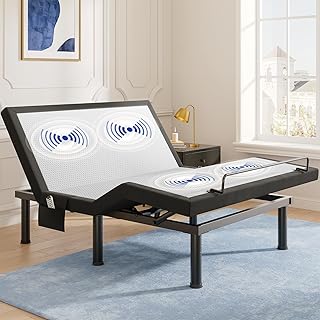
Sven & Son Platinum Adjustable Bed Base
The head-pillow-tilt articulation is the standout here for lateral sleepers: it lets you angle the cervical spine independently of the torso, which is precisely the adjustment most bases can’t make. Combined with dedicated lumbar support, it’s the most anatomically thoughtful frame on this list.
Tami Tami T600 Adjustable Bed Frame
A genuinely capable base at a mainstream price, with zero-gravity preset, quiet motors, and dual USB ports on both sides. The five-minute assembly claim holds up reasonably well, and the wireless remote is intuitive enough to operate in the dark without fumbling.
Celestial Aurora Adjustable Base + 12″ Gel Memory Foam Mattress
Buying base and mattress together removes the compatibility guesswork, and the medium-soft 12-inch gel foam is well-matched to side sleeping — soft enough for shoulder immersion, dense enough to hold hip alignment. The TwinXL sizing also makes it a sensible split-king building block.
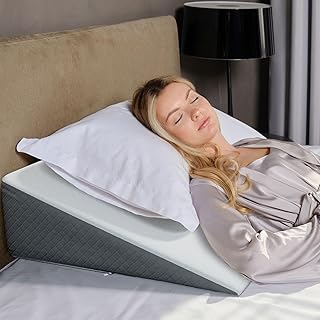
Fanwer Positioning Wedge Pillow for Side Sleeping (3-in-1)
A 40-degree triangle wedge that props the torso into a stable lateral position, with the versatility to elevate knees or support a pregnancy bump instead. For caregivers managing pressure-sore prevention or post-surgical positioning, this is the most practical single purchase available.
Positioning Wedge Pillow with Belt Connection
The belt-and-width-limiter design is what separates this from generic wedges: it holds two positioners at a fixed spacing so the body genuinely cannot roll out of alignment overnight. Best suited to recovery periods, anti-snoring protocols, and anyone who needs enforced rather than encouraged positioning.
Frequently Asked Questions
What is the ideal adjustable bed position for side sleepers?
Start with the head raised roughly 10–15 degrees and the foot section lifted about 5–10 degrees. This shallow, gently cradled profile keeps the neck neutral relative to the torso while reducing the twist through the lumbar spine and pelvis.
Can I use zero gravity as a side sleeper?
Yes, though most people prefer to soften it. Standard zero-gravity presets are calibrated for supine sleeping and can push the lower shoulder uncomfortably forward. Save the preset, then dial the head down a few degrees for lateral use.
Will an adjustable base help with shoulder pain?
Indirectly. The base improves spinal alignment, which reduces compensatory tension, but shoulder relief depends heavily on mattress comfort layers and pillow height. Treat the three as a single system rather than expecting the frame to solve it alone.
Are wedge pillows a real alternative to an adjustable base?
For elevation-driven issues like acid reflux, sleep apnea, or post-operative positioning, a well-made wedge such as the Kolbs bed wedge delivers much of the benefit for a fraction of the outlay. Bases win on adjustability, silent repositioning, and long-term comfort.
Final Thoughts
If you want the most refined solution, the Sven & Son Platinum earns it through head-pillow-tilt and lumbar support that address side sleeping specifically rather than incidentally. The Tami Tami T600 is the smarter value play for most households, and the Celestial Aurora bundle removes the mattress-matching problem entirely. On a tighter budget, the Fanwer 3-in-1 positioning wedge delivers real alignment benefit tonight.