Key takeaways
- Decibel rating at distance: Manufacturer dBA figures are typically measured at 23 feet under partial load. Anything at or below 60 dBA reads as background hum through a closed window; above 68 dBA and you will hear it in bed. Site the unit downwind and around a corner from bedroom windows regardless of the number on the box.
- Total harmonic distortion: Look for THD under 3%. Inverter technology conditions the sine wave so laptops, routers, smart-home hubs, and — critically — CPAP and oxygen concentrators run without the electrical noise that can shorten their lifespan.
- Realistic overnight runtime: Target eight hours minimum at 25% load so nobody has to dress and go outside at 3 a.m. to refuel. ECO or economy throttle modes stretch runtime substantially and drop noise output at the same time.
- Carbon monoxide shutoff: Non-negotiable for any fuel-burning unit. CO sensors that automatically kill the engine when concentrations rise protect against the single most common — and most lethal — mistake people make with generators, which is placing them too close to the house.
- Starting versus running watts, honestly assessed: Add up your true essentials: refrigerator, furnace blower, well pump, a few lights, device charging. Then confirm the surge capacity handles your largest motor starting up. Undersizing is frustrating; wildly oversizing means burning fuel to power nothing.
What's inside
Power outages rarely announce themselves at a convenient hour. They arrive at 2 a.m. during an ice storm, when the furnace dies, the fridge goes silent, and the CPAP machine on the nightstand blinks out. As someone who spends professional hours studying what wrecks human sleep, I can tell you that the second night of an outage is almost always worse than the first — cold bedrooms, spoiled food anxiety, and the constant drone of a neighbor’s contractor generator rattling through the walls at 78 decibels. Backup power is a comfort purchase as much as a safety one, and comfort means quiet.
This guide evaluates portable inverter generators specifically through the lens of livable home backup: how loud they actually are at bedroom distance, whether they produce clean enough electricity for sensitive medical and electronic devices, how long they’ll run unattended overnight, and what safety features protect a sleeping household from carbon monoxide. Below you’ll find picks ranging from a whole-home 11,000-watt workhorse to a battery unit you can safely run inside a bedroom, plus the specifications that genuinely matter when you’re shopping under pressure.
As an Amazon Associate we earn from qualifying purchases.


🛒 Best Price Today on Amazon
Prime members get fast, free shipping on everything above, plus member-only deals. New members get a 30-day free trial — cancel anytime.
How to Choose a Portable Inverter Generator For Home Backup (2026)
- Decibel rating at distance: Manufacturer dBA figures are typically measured at 23 feet under partial load. Anything at or below 60 dBA reads as background hum through a closed window; above 68 dBA and you will hear it in bed. Site the unit downwind and around a corner from bedroom windows regardless of the number on the box.
- Total harmonic distortion: Look for THD under 3%. Inverter technology conditions the sine wave so laptops, routers, smart-home hubs, and — critically — CPAP and oxygen concentrators run without the electrical noise that can shorten their lifespan.
- Realistic overnight runtime: Target eight hours minimum at 25% load so nobody has to dress and go outside at 3 a.m. to refuel. ECO or economy throttle modes stretch runtime substantially and drop noise output at the same time.
- Carbon monoxide shutoff: Non-negotiable for any fuel-burning unit. CO sensors that automatically kill the engine when concentrations rise protect against the single most common — and most lethal — mistake people make with generators, which is placing them too close to the house.
- Starting versus running watts, honestly assessed: Add up your true essentials: refrigerator, furnace blower, well pump, a few lights, device charging. Then confirm the surge capacity handles your largest motor starting up. Undersizing is frustrating; wildly oversizing means burning fuel to power nothing.
The Best Portable Inverter Generator For Home Backup (2026)s Reviewed
Champion 11,000-Watt Wireless Remote Start Inverter
This is the pick for households that want genuine whole-home coverage, including central air and a well pump, without abandoning inverter-grade clean power. The wireless remote start deserves special mention for overnight use: you can restore power from inside the house rather than standing in freezing rain, and the three-year warranty signals real confidence in the platform.
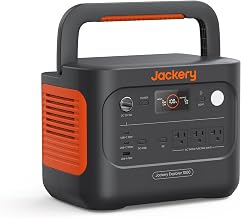
BLUETTI Elite 100 V2 Portable Power Station
The only unit here that is genuinely silent and genuinely safe to operate indoors, which makes it the single best choice for bedside medical equipment and sleep-critical devices. Its 10ms UPS switchover means a CPAP never registers the outage at all, and the LiFePO4 chemistry tolerates hundreds of cycles more than older lithium designs.
Champion 4500-Watt RV Ready Inverter
The sweet spot for most suburban homes: enough capacity for the refrigerator, furnace, and a full lighting circuit while staying quiet enough to sleep through. The RV-ready 30-amp outlet doubles as a convenient transfer-switch connection point for a properly installed interlock.
Champion 2500-Watt Ultralight Inverter
At under 40 pounds and 53 dBA, this is the quietest gas unit on the list and the easiest for one person to reposition away from bedroom windows. CO Shield auto shutoff and sub-3% THD make it a smart minimalist choice for apartments, small homes, or as a second unit for parallel operation.
maXpeedingrods 4000-Watt Inverter Generator
The Bluetooth app monitoring is more than a gimmick for overnight backup — checking fuel level and load from your phone means not opening the back door at 4 a.m. Solid value, RV-ready output, and an integrated CO alarm round out a capable mid-tier package.
Frequently Asked Questions
Can I run a CPAP machine on a portable generator?
Yes, provided it is an inverter model with THD under 3%. That said, a battery power station like the Elite 100 V2 is the better sleep solution, since it runs indoors, silently, and switches over instantly without waking you.
How far from the house does a generator need to be?
At least 20 feet, with the exhaust directed away from all doors, windows, and vents — including bedroom windows one story up. Never operate a fuel-burning generator in a garage, breezeway, or covered porch, even with the door open.
Will a generator running all night keep my family awake?
A 53 to 60 dBA unit placed 20-plus feet away and shielded by the building’s corner typically registers as a low hum comparable to a refrigerator. Sound falls off with distance and obstruction, so placement matters as much as the rating.
Should I choose a gas generator or a battery power station?
Gas offers effectively unlimited runtime while fuel lasts and far more wattage per dollar. Battery units offer silence, zero emissions, and indoor operation. Many well-prepared households own both, using the battery for bedrooms and electronics and the generator for heat and refrigeration.
Final Thoughts
For most homes, the Champion 4500-Watt RV Ready inverter is the balanced choice — quiet, clean, and capable of covering the essentials that make an outage survivable. Households with larger loads or all-electric heat should step up to the Champion 11,000-Watt remote start model, while anyone who depends on a CPAP or other bedside device should pair either one with the BLUETTI Elite 100 V2 for truly uninterrupted, truly silent sleep.