Key takeaways
- Thermal behavior: Your core temperature needs to drop before sleep, so avoid surfaces that store afternoon heat. HDPE and powder-coated aluminum shed warmth quickly; dark cast iron and untreated stone radiate it back at you well past sunset.
- Cushion architecture: Depth matters less than structure. A firm foam core near four inches, wrapped in polyester fiber fill, keeps your pelvis from sinking — the same principle that separates a supportive mattress from a hammock-like one.
- Maintenance friction: Furniture you have to fuss over is furniture you stop using. Low-effort materials like HDPE and marine-grade aluminum remove the small excuses that keep people indoors during golden hour.
- Weight and stability: Frames that rock, creak or skate across pavers keep your nervous system mildly alert. Look for weighted aluminum or solid HDPE with reinforced joinery, especially in windy or coastal spots.
- Finish and glare: Matte, mid-tone finishes scatter low-angle evening sun instead of throwing it back into your eyes. Glossy white and polished chrome look sharp at noon and become genuinely uncomfortable at dusk.
What's inside
Most sleep advice stops at the bedroom door, which is odd, because the hour that decides how well you sleep rarely happens in a bedroom. It happens outside — on a porch, a balcony, a back deck — in the fading light that tells your body to start winding the day down. That makes outdoor seating a genuine sleep variable, and the material it’s built from quietly determines whether you settle in for forty unhurried minutes or shift around for five and go back indoors.
This guide evaluates patio furniture the way I’d evaluate a mattress: by how the material behaves over a long, still stretch of time. Below you’ll find how HDPE, powder-coated aluminum, all-weather wicker, sling mesh and modern cushion fills handle heat, humidity, glare and daily upkeep — followed by the specific sets that hold up best in 2026.
As an Amazon Associate we earn from qualifying purchases.


🛒 Best Price Today on Amazon
Prime members get fast, free shipping on everything above, plus member-only deals. New members get a 30-day free trial — cancel anytime.
How to Choose a Patio Furniture Material (2026)
- Thermal behavior: Your core temperature needs to drop before sleep, so avoid surfaces that store afternoon heat. HDPE and powder-coated aluminum shed warmth quickly; dark cast iron and untreated stone radiate it back at you well past sunset.
- Cushion architecture: Depth matters less than structure. A firm foam core near four inches, wrapped in polyester fiber fill, keeps your pelvis from sinking — the same principle that separates a supportive mattress from a hammock-like one.
- Maintenance friction: Furniture you have to fuss over is furniture you stop using. Low-effort materials like HDPE and marine-grade aluminum remove the small excuses that keep people indoors during golden hour.
- Weight and stability: Frames that rock, creak or skate across pavers keep your nervous system mildly alert. Look for weighted aluminum or solid HDPE with reinforced joinery, especially in windy or coastal spots.
- Finish and glare: Matte, mid-tone finishes scatter low-angle evening sun instead of throwing it back into your eyes. Glossy white and polished chrome look sharp at noon and become genuinely uncomfortable at dusk.
The Best Patio Furniture Materials Reviewed (2026)
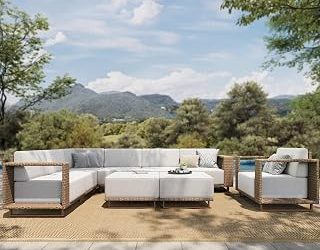
HOOOWOOO 13-Piece Wicker Sectional with Fire Pit Table
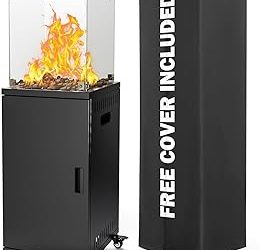
Resin wicker over a steel core gives you the textured, enclosed feel that encourages long sits, and the extra-deep seating lets you actually recline rather than perch. The fire pit table is the real sleep asset here: warm, flickering, low-color-temperature light is about as far from a phone screen as evening illumination gets.
SERWALL 9-Piece HDPE Dining Set with Sling Chairs
HDPE is the most forgiving outdoor material available — it won’t rot, splinter or need annual sealing, and it stays notably cooler than metal in direct sun. Pairing it with breathable sling chairs makes this the strongest pick for hot climates and for households that want morning light exposure without a maintenance ritual attached.
11-Piece Aluminum and Wicker Rattan Dining Set
The hybrid build is smart: rustproof aluminum handles the structural load while wicker softens the contact points and cuts glare. At eleven pieces it’s built for long shared meals, and unhurried evening dining is one of the more reliable predictors of a calm bedtime.
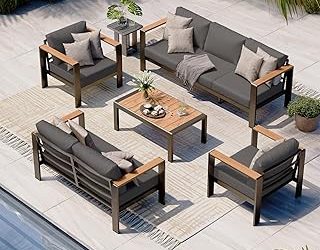
Aluminum 5-Piece Conversation Set, Graphite
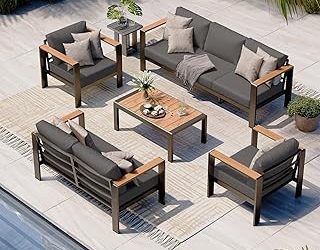
For balconies and compact decks, powder-coated aluminum delivers the best strength-to-weight ratio you’ll find, and the graphite finish stays visually quiet as the light drops. The washable thick cushions are the practical detail — pollen and dust are common evening irritants, and cushions you can actually launder stay in rotation.
7-Piece HDPE Patio Sofa Sectional, Brown
This is the most sleep-considered cushion spec on the list: yarn-dyed polyester over a 3.94-inch firm foam core with 1200g fiber fill, which resists the slow collapse that turns outdoor sofas into slouch traps. The HDPE frame means it can live outside year-round in most climates without covers or seasonal hauling.
Frequently Asked Questions
Which patio furniture material stays coolest to sit on?
Sling mesh first, then HDPE, then light-colored powder-coated aluminum. All three either breathe or release stored heat quickly, which matters if you’re using the patio during the pre-sleep window when your body is trying to cool down.
Is HDPE actually better than real wood?
For most buyers, yes. HDPE delivers the visual warmth of lumber without sanding, sealing or splintering, and it tolerates humidity swings that would warp teak or acacia within a few seasons.
How thick should outdoor cushions be?
Three to four inches of firm foam is the practical sweet spot. Thinner cushions transmit frame pressure to your sit bones; overly soft ones let your hips drop below your knees, which strains the lower back during long sits.
Will evening patio time interfere with sleep?
The opposite, usually. Dim outdoor light and firelight reinforce your circadian signal, whereas bright indoor overhead lighting suppresses it — provided you’re not scrolling under a floodlight.
Final Thoughts
If you want one set that requires nothing from you and stays comfortable in heat, the SERWALL HDPE dining set is the clearest choice. For a dedicated wind-down space, the HOOOWOOO fire pit sectional builds the entire evening around warm, low light, while the 7-piece HDPE sectional offers the best cushion structure for genuinely long, restorative sits.