Key takeaways
- Adhesion chemistry: Plastic is non-porous and low-energy, so ordinary latex wall paint will peel in sheets. Look for products that explicitly list plastic, resin, or vinyl on the label, or plan on a dedicated bonding primer beneath a general-purpose enamel.
- Flex and impact tolerance: Resin chairs bow noticeably under body weight. A brittle, hard-curing film will spiderweb along stress points within weeks, so favor coatings that remain slightly elastic after cure over ultra-rigid industrial finishes.
- UV package: The reason your furniture faded is the same reason your paint will. Exterior-rated formulas contain UV absorbers and light-stable pigments; interior “multi-surface” paints usually don’t, no matter how tough they feel.
- Restore versus recoat: If the plastic has only oxidized and the original color is intact underneath, a penetrating restorer costs less, takes an afternoon, and skips the maintenance cycle entirely. Paint only when you want a genuine color change or the surface is beyond reviving.
- Coverage and application method: Woven resin wicker eats far more product than smooth stackable chairs, and tight weaves are much easier to spray than brush. Estimate square footage generously and match the container format to the geometry you’re working with.
What's inside
Plastic patio furniture has one universal failure mode: it fades. That crisp white resin chair you bought three summers ago is now a chalky beige, the arms have gone slightly powdery to the touch, and no amount of scrubbing brings the color back. UV light breaks down the surface layer of polypropylene and resin, and once that happens, cleaning only exposes more of the degraded plastic underneath. The frustrating part is that the furniture itself is usually structurally fine — it’s purely cosmetic, which makes replacing a whole set feel wasteful.
There’s also a quieter reason to care about how your outdoor space looks. A shaded porch or a back patio you actually enjoy sitting on in the last hour of daylight is one of the most underrated tools for winding down — evening light exposure and a low-stimulation outdoor ritual help anchor your body clock far better than another hour of screen time indoors. Furniture that looks tired subtly discourages you from using it. Below, we cover what actually adheres to plastic, which formulas survive a full season of sun and rain, and which products are best matched to your specific project — full refinish, color change, restoration, or spot repair.
As an Amazon Associate we earn from qualifying purchases.



🛒 Best Price Today on Amazon
Prime members get fast, free shipping on everything above, plus member-only deals. New members get a 30-day free trial — cancel anytime.
How to Choose a Paint For Plastic Patio Furniture (2026)
- Adhesion chemistry: Plastic is non-porous and low-energy, so ordinary latex wall paint will peel in sheets. Look for products that explicitly list plastic, resin, or vinyl on the label, or plan on a dedicated bonding primer beneath a general-purpose enamel.
- Flex and impact tolerance: Resin chairs bow noticeably under body weight. A brittle, hard-curing film will spiderweb along stress points within weeks, so favor coatings that remain slightly elastic after cure over ultra-rigid industrial finishes.
- UV package: The reason your furniture faded is the same reason your paint will. Exterior-rated formulas contain UV absorbers and light-stable pigments; interior “multi-surface” paints usually don’t, no matter how tough they feel.
- Restore versus recoat: If the plastic has only oxidized and the original color is intact underneath, a penetrating restorer costs less, takes an afternoon, and skips the maintenance cycle entirely. Paint only when you want a genuine color change or the surface is beyond reviving.
- Coverage and application method: Woven resin wicker eats far more product than smooth stackable chairs, and tight weaves are much easier to spray than brush. Estimate square footage generously and match the container format to the geometry you’re working with.
The Best Paint For Plastic Patio Furniture (2026)s Reviewed
Wolman Outdoor Furniture Paint (Granite)
This is the closest thing to a purpose-built answer, formulated specifically for outdoor seating and engineered to stay flexible so it doesn’t crack where the seat deck deflects. The Granite shade is forgiving on older resin, hiding minor pitting that a bright white would highlight.
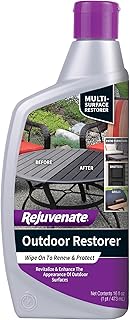
Rejuvenate Outdoor Restorer
Not a paint at all, and often the smarter first move: it re-wets the oxidized surface layer and restores depth of color without adding a film that can later peel. At up to 800 square feet per bottle it’s exceptional value for a full set, though it works with your existing color rather than changing it.
Rust-Oleum Appliance Epoxy (Gloss White)
The hardest, glossiest, most washable finish in this group, and genuinely excellent on plastic side tables, planters, and trim pieces. It’s a firm film, so I’d keep it off flexing seat backs and reserve it for rigid components where its scrub resistance shines.
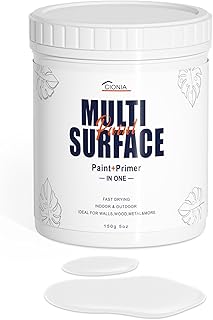
CIONIA All-in-One Multi Surface Paint
A no-sanding, fast-drying hybrid that grips plastic well and dries to a clean modern white, making it ideal for small accent pieces and testing color before committing. At 5 ounces, treat it as a sample or detail size rather than a full-set solution.
White Touch Up Paint Pen
The maintenance item nobody buys until they need it — perfect for stacking scuffs, dragged chair legs, and the chips that appear after the first windy night. High-gloss acrylic in a precision applicator means repairs blend without masking or drop cloths.
Frequently Asked Questions
Do I need to sand plastic patio furniture first?
You don’t need to sand for texture, but you do need a scuff and a thorough degreasing. Wash with detergent, rinse, let it dry completely, then wipe with isopropyl alcohol — residual sunscreen and mildew are the leading causes of adhesion failure.
Will painted plastic furniture flake off on my clothes?
A properly cured exterior enamel won’t. Chalking almost always means an interior-grade or under-cured product was used; give any coating the full manufacturer-stated cure time, not just dry-to-touch time, before sitting on it.
Spray or brush?
Spray for woven resin, lattice, and contoured chairs; brush for flat tabletops where you can maintain a wet edge. Two thin coats always outlast one heavy one.
How long will the finish last?
Expect two to four seasons in full sun, longer under cover. Storing furniture through winter or using breathable covers roughly doubles that window.
Final Thoughts
For a genuine repaint of seating, start with Wolman Outdoor Furniture Paint — its flexibility is what keeps it on the chair. If your set is simply faded rather than damaged, try Rejuvenate Outdoor Restorer first and you may not need paint at all, and keep Rust-Oleum Appliance Epoxy on hand for the rigid tables and trim that take the most abuse.