Key takeaways
- Check the barrier, not the buzzword: A thin thermoplastic polyurethane film breathes; laminated vinyl or PVC does not. If the listing avoids naming its waterproof layer, treat that silence as an answer.
- Match the face fabric to your sleep style: Viscose derived from bamboo and Tencel lyocell excel at wicking liquid sweat away from skin, while 3D spacer knits create physical air channels. Hot, damp sleepers usually prefer the former; heavy sleepers who sink into memory foam benefit more from the latter.
- Measure your mattress with the topper on: Deep-pocket ratings vary from about 6 inches to 21 inches. A protector stretched to its limit pulls taut, loses loft and rustles — the single most common cause of buyer’s remorse.
- Insist on a quiet hand feel: Rub the fabric between your fingers on arrival. Any papery crackle will be amplified tenfold at 2 a.m., and no amount of washing will soften a poorly bonded film.
- Read the care label before you buy: Waterproof membranes degrade under high heat. Cold or warm washes with a low-heat tumble dry, and no fabric softener, will typically double a protector’s service life.
Falling asleep is, at its core, a heat-loss event. Your body temperature has to drift down by a degree or two before your brain will commit to deeper sleep, and most of that heat escapes through your skin into the layers immediately around you. A waterproof mattress protector sits squarely in that pathway — which is why so many people buy one to defend a $1,500 mattress and then find themselves kicking the duvet off at 3 a.m. within a week. The barrier that blocks spills can just as easily block evaporation.
The category has genuinely improved, though. The better protectors now laminate a micro-thin polyurethane film to a face fabric engineered to move moisture vapor, so you get protection from sweat, accidents and dust mite allergens without trapping a humid microclimate against your back. Below I’ve narrowed the field to protectors that clear the three hurdles that actually matter in a real bedroom — they breathe, they stay silent when you turn over, and they survive repeated laundering — along with a framework you can apply to any model you’re weighing up.
Our top picks

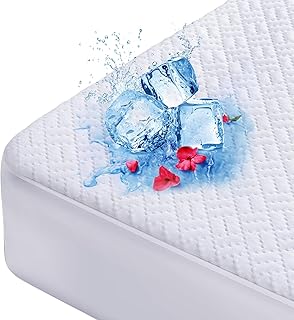


As an Amazon Associate we earn from qualifying purchases at no extra cost to you. Ratings are shown as listed on Amazon.
🛒 Best Price Today on Amazon
Prime members get fast, free shipping on everything above, plus member-only deals. New members get a 30-day free trial — cancel anytime.
How to Choose a Cooling Mattress Protector (2026)
- Check the barrier, not the buzzword: A thin thermoplastic polyurethane film breathes; laminated vinyl or PVC does not. If the listing avoids naming its waterproof layer, treat that silence as an answer.
- Match the face fabric to your sleep style: Viscose derived from bamboo and Tencel lyocell excel at wicking liquid sweat away from skin, while 3D spacer knits create physical air channels. Hot, damp sleepers usually prefer the former; heavy sleepers who sink into memory foam benefit more from the latter.
- Measure your mattress with the topper on: Deep-pocket ratings vary from about 6 inches to 21 inches. A protector stretched to its limit pulls taut, loses loft and rustles — the single most common cause of buyer’s remorse.
- Insist on a quiet hand feel: Rub the fabric between your fingers on arrival. Any papery crackle will be amplified tenfold at 2 a.m., and no amount of washing will soften a poorly bonded film.
- Read the care label before you buy: Waterproof membranes degrade under high heat. Cold or warm washes with a low-heat tumble dry, and no fabric softener, will typically double a protector’s service life.
The Best Cooling Mattress Protectors of 2026, Reviewed
PlushDeluxe Bamboo Waterproof Mattress Protector (King)
This is my default recommendation for night sweats and perimenopausal temperature swings: the viscose-from-bamboo terry face pulls moisture off the skin fast, and the fitted skirt handles mattresses up to 18 inches without straining. It sleeps closer to a soft cotton sheet than a barrier layer, which is precisely the point.
3D Air Fabric Cooling Waterproof Protector (Queen)
The spacer-knit construction builds ventilation channels into the fabric itself, making this the smartest pairing for a memory foam mattress that already runs warm. Its 8- to 21-inch pocket range also accommodates a mattress plus a topper, a combination that defeats most competitors.
Premium Tencel Waterproof Mattress Protector (King)
Tencel lyocell moves moisture vapor more efficiently than cotton and resists the clammy feel that polyester develops by morning, making this the most refined option here for anyone who runs hot but dislikes terry textures. The deep-pocket fit stays flat through the night rather than balling up at the corners.
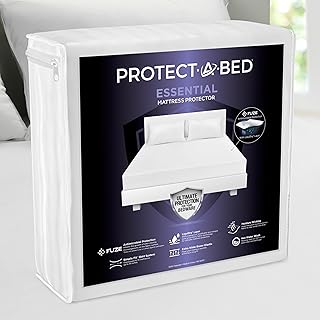
Protect-A-Bed Essential Waterproof Protector (Queen)
A dependable, no-drama choice from a brand that has been laminating membranes longer than most of its rivals, with genuinely quiet fabric and a snug fit on 11- to 18-inch mattresses. Choose it when your priority is protecting a warranty rather than chasing maximum cooling.
AllerEase Platinum Zip-Off Top Protector (Full)
The removable top panel means you can strip and wash the surface layer after an accident without wrestling the entire protector off the bed — a meaningful advantage for kids’ rooms and allergy households. Breathability is good rather than best-in-class, so it suits mild sleepers over habitually hot ones.
Frequently Asked Questions
Do waterproof protectors always sleep hotter?
Any additional layer adds some thermal resistance, but a well-made TPU-laminated protector adds very little. The perceived heat usually comes from trapped humidity rather than temperature, so a breathable face fabric that wicks sweat solves most of the complaint.
How often should I wash mine?
Every two to four weeks alongside your sheets, and immediately after any spill. Skip bleach and fabric softener — both attack the waterproof film — and expect to replace the protector every two to three years.
Will it cancel out my cooling mattress?
Only if the protector is quilted, thick or vinyl-backed. A thin, breathable model preserves nearly all of the airflow a ventilated mattress provides.
What if I use a thick topper?
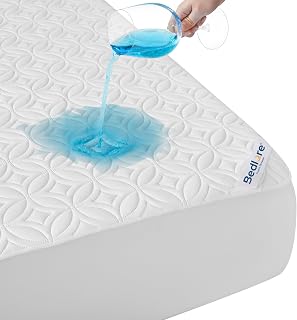
Buy for total height, not mattress height. Generous deep-pocket options such as the BEDLORE protector, rated for 6- to 18-inch beds, are designed for exactly these stacked setups.
Final Thoughts
For most sleepers, the PlushDeluxe Bamboo protector delivers the best balance of softness, moisture management and fit. Choose the Premium Tencel model if you want a more polished, sheet-like surface, or the 3D Air Fabric protector if your mattress is foam and your real enemy is trapped heat.