Key takeaways
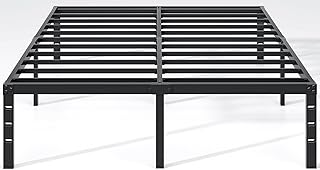
- Slat spacing: Measure the gaps first. Anything wider than roughly three inches lets an all-foam mattress bow into the openings, creating pressure ridges and voiding many warranties. A bunkie board fixes it cheaply.
- Profile and bed height: Platform decks sit low. Add mattress thickness to deck height and aim for a sleep surface of about 24–27 inches, the range where most adults can plant their feet and stand without straining knees or lower back.
- Core construction: All-foam builds conform quietly and isolate motion beautifully on a rigid base. Hybrids add a coil unit that pushes back under the lumbar region and breathes better — smarter for heavier sleepers or anyone who wakes up feeling stuck.
- Heat and moisture: A solid deck blocks airflow from below, so ventilation has to come from the mattress itself. Prioritize gel, copper or graphene infusions and open-cell foam over a dense, sealed slab.
- Firmness by sleep position: Side sleepers need enough give for the shoulder to sink and the spine to stay level — medium usually wins. Back and stomach sleepers do better with medium-firm, which stops the pelvis dropping out of alignment.
A platform frame changes the physics of your mattress before you ever lie down on it. With no box spring absorbing part of the load, the sleep surface rests directly on slats or a solid deck, so every compromise in the foam core lands in your hips and shoulders instead of being softened by a flexible base. That’s why a mattress that felt supportive in a showroom can read as unexpectedly firm — or dip into shallow ridges between slats — once it’s on a modern platform bed.
This guide takes a sleep-wellness view of the problem: what actually keeps your spine neutral and your core temperature falling when the foundation underneath is rigid. Below are the models worth shortlisting for platform frames in 2026, along with a buying checklist covering slat spacing, profile height and heat management, plus answers to the questions readers ask most.
Our top picks




As an Amazon Associate we earn from qualifying purchases at no extra cost to you. Ratings are shown as listed on Amazon.
🛒 Best Price Today on Amazon
Prime members get fast, free shipping on everything above, plus member-only deals. New members get a 30-day free trial — cancel anytime.
How to Choose a Mattress For Platform Bed Frame (2026)
- Slat spacing: Measure the gaps first. Anything wider than roughly three inches lets an all-foam mattress bow into the openings, creating pressure ridges and voiding many warranties. A bunkie board fixes it cheaply.
- Profile and bed height: Platform decks sit low. Add mattress thickness to deck height and aim for a sleep surface of about 24–27 inches, the range where most adults can plant their feet and stand without straining knees or lower back.
- Core construction: All-foam builds conform quietly and isolate motion beautifully on a rigid base. Hybrids add a coil unit that pushes back under the lumbar region and breathes better — smarter for heavier sleepers or anyone who wakes up feeling stuck.
- Heat and moisture: A solid deck blocks airflow from below, so ventilation has to come from the mattress itself. Prioritize gel, copper or graphene infusions and open-cell foam over a dense, sealed slab.
- Firmness by sleep position: Side sleepers need enough give for the shoulder to sink and the spine to stay level — medium usually wins. Back and stomach sleepers do better with medium-firm, which stops the pelvis dropping out of alignment.
The Best Mattresses For Platform Bed Frames (2026) Reviewed
EGOHOME 10-Inch Full Memory Foam
The green tea gel foam gives this full-size model a medium-firm response that stays predictable across slats, and the slim profile suits taller platform frames where a thicker mattress would push the surface uncomfortably high. CertiPUR-US certified and fiberglass-free — a sensible guest-room or solo-sleeper choice.
Novilla Bliss 14-Inch King Gel Memory Foam
Zoned support is the story here: firmer foam beneath the midsection keeps the pelvis from sinking on a rigid deck, which is precisely what back-pain sufferers need from a platform setup. The 14-inch build also lifts a low king frame to a comfortable sit-to-stand height.
Sleepmax 14-Inch Queen Hybrid
The coil unit does two useful things on a platform bed — it spreads weight across slats rather than letting foam settle between them, and it moves air through the core in a way solid foam can’t. A strong all-rounder for couples who mix back and side sleeping.
Cool Gel 10-Inch Memory Foam
A no-nonsense gel-infused foam mattress in a king footprint, best matched to higher frames or rooms where a low-profile silhouette matters. Expect close contouring and excellent motion isolation rather than springy lift.
EGOHOME 14-Inch King Copper Gel Memory Foam
Copper gel and the graphene cover target the main weakness of all-foam mattresses on solid decks — trapped heat — while the medium-firm core holds the lumbar curve steady. This is the one I’d point a couple toward who want deep contouring and a genuinely cool surface together.
Frequently Asked Questions
Do I need a box spring with a platform bed?
No. The platform is the foundation. Adding a box spring raises the bed awkwardly and introduces flex the mattress was never engineered for.
How far apart should the slats be?
Three inches or less for foam and hybrid mattresses. Wider gaps cause uneven compression, and most brands treat slat spacing as a warranty condition.
Can memory foam develop mildew on a solid platform?
In humid rooms, yes — body moisture has nowhere to escape through a sealed deck. Use a breathable protector and stand the mattress up to air out two or three times a year.
What thickness works best?
Ten inches for taller frames and lighter sleepers; 14 inches for low decks, couples, and anyone who needs more foam between body and base.
Final Thoughts
For most platform bed owners, the EGOHOME 14-inch copper gel king strikes the best balance of cooling and contour, while the Sleepmax 14-inch hybrid is the stronger call if you want coil support and maximum airflow. On taller frames or in a spare room, the EGOHOME 10-inch full remains the smart low-profile pick.