Key takeaways
- Selectable color temperature: Look for 3-CCT or 5-CCT switching. A 4000K setting keeps prep work crisp during the day, while dropping to 2700K or 3000K after dinner reduces the short-wavelength load that suppresses melatonin. A single fixed 5000K strip is the worst choice for a room you occupy at night.
- Dimming range, not just “dimmable”: Many fixtures stop dimming at 20 percent and then flicker or cut out. Pair a TRIAC- or ELV-compatible fixture with a matching wall dimmer, or choose models offering a built-in hi/low switch as a fallback.
- Diffuser and beam control: Frosted lenses and recessed diodes prevent the mirrored reflection of individual LEDs in polished quartz or glossy backsplash tile — the single biggest source of complaints after installation.
- Color rendering (CRI and R9): CRI above 90, with R9 above 50, means reds and skin tones look accurate. This is a food-safety and food-enjoyment issue as much as an aesthetic one.
- Length, coverage, and linking: Aim to cover roughly two-thirds of each cabinet’s width, mounted toward the front edge. Confirm the maximum number of linkable units per circuit and whether jumper cables are included before you commit to a layout.
What's inside
Kitchen lighting decisions are usually made with the eyes wide open — literally. Under a bank of upper cabinets at 8 p.m., a countertop can either read as a calm, shadow-free workspace or as a glare pit that pushes your body clock further off schedule. As someone who spends most of their working hours helping people protect their sleep architecture, I’ve come to see under-cabinet lighting as one of the most overlooked levers in the home: it’s the light most of us stand directly beneath during the final hours before bed, at eye level with reflective stone and stainless steel. Hardwired fixtures deserve particular scrutiny, because once they’re spliced into the wall, you live with whatever they emit for a decade.
This guide evaluates hardwired LED under-cabinet fixtures on the criteria that matter for both task performance and evening light hygiene: adjustable correlated color temperature (CCT), genuine low-end dimming, diffuser quality that suppresses hot spots, color rendering accurate enough to judge a sear or a salad, and linkability so a long counter run doesn’t turn into a striped pattern of bright and dark. Below you’ll find our current picks, followed by a buyer’s framework and answers to the questions installers get asked most.
As an Amazon Associate we earn from qualifying purchases.


🛒 Best Price Today on Amazon
Prime members get fast, free shipping on everything above, plus member-only deals. New members get a 30-day free trial — cancel anytime.
How to Choose a Led Under Cabinet Lighting Hardwired (2026)
- Selectable color temperature: Look for 3-CCT or 5-CCT switching. A 4000K setting keeps prep work crisp during the day, while dropping to 2700K or 3000K after dinner reduces the short-wavelength load that suppresses melatonin. A single fixed 5000K strip is the worst choice for a room you occupy at night.
- Dimming range, not just “dimmable”: Many fixtures stop dimming at 20 percent and then flicker or cut out. Pair a TRIAC- or ELV-compatible fixture with a matching wall dimmer, or choose models offering a built-in hi/low switch as a fallback.
- Diffuser and beam control: Frosted lenses and recessed diodes prevent the mirrored reflection of individual LEDs in polished quartz or glossy backsplash tile — the single biggest source of complaints after installation.
- Color rendering (CRI and R9): CRI above 90, with R9 above 50, means reds and skin tones look accurate. This is a food-safety and food-enjoyment issue as much as an aesthetic one.
- Length, coverage, and linking: Aim to cover roughly two-thirds of each cabinet’s width, mounted toward the front edge. Confirm the maximum number of linkable units per circuit and whether jumper cables are included before you commit to a layout.
The Best Led Under Cabinet Lighting Hardwired (2026)s Reviewed
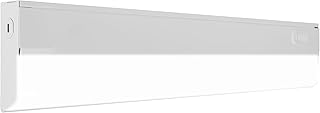
24″ 12W Linkable 5-CCT Under Cabinet Light
Five color temperatures from 2700K to 5000K on a single 24-inch bar, with an eye-care diffuser that does a genuinely good job of hiding diode dots on reflective counters. It’s my default recommendation for open-plan kitchens where the lighting has to serve as evening ambient light, not just task light.
36″ 22W High-CRI Hardwired Bar
At 1426 lumens with CRI above 92 and R9 above 90, this is the color-accuracy leader of the group and the strongest performer for long, uninterrupted cabinet runs. If you cook seriously — or want a pantry and closet lighting solution that renders fabric and food honestly — start here.
UltraPro 24″ Hardwired Under Cabinet Light
A well-engineered mainstream option at 908 lumens with three CCT settings and reliable linking hardware, from a brand with real installer support behind it. The build quality and ETL listing make it an easy specification for whole-kitchen retrofits where consistency matters more than maximum output.
12″ Low-Profile 3CCT Fixture
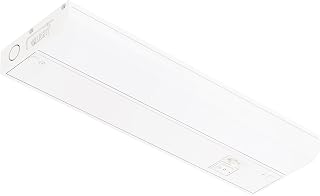
The slimmest pick here, and the one to reach for above short cabinet sections, sinks, and awkward gaps where a 24-inch bar simply won’t fit. The hi/low brightness switch is a smart touch for anyone without a compatible wall dimmer, giving you a reduced evening setting without rewiring.
NICOR 18″ UCB Series Direct Wire
NICOR builds this for the trade, and it shows in the housing rigidity and the smoothness of its 2700K–5000K selection. At 9W and roughly 630 lumens, it’s efficient, quiet, and the safest bet if you want a fixture that will still be matchable in five years.
Frequently Asked Questions
Do I need an electrician to install hardwired under-cabinet lighting?
In most jurisdictions, yes — you’re making a permanent connection to household wiring, often inside a junction box. Several of these fixtures offer plug-in conversion kits, which is a legitimate way to test placement before committing to a hardwired run.
What color temperature should I use at night?
2700K to 3000K, dimmed as low as your setup allows. Warm, dim light in the final two to three hours before bed places far less strain on your circadian timing than bright, bluish light at the same eye height.
Why does my counter show bright and dark stripes?
Usually a coverage gap. Choose fixtures that span most of each cabinet’s width, link them where possible, and mount them near the front edge of the cabinet bottom rather than pushed against the wall.
Will these work with my existing wall dimmer?
Only if the dimmer is LED-rated and its load range matches your total wattage. Older incandescent dimmers commonly cause buzzing, flicker, or a dead zone at the low end — replace the dimmer, not the fixture.
Final Thoughts
For most kitchens, the 24-inch 5-CCT linkable bar offers the best balance of tunability and glare control, making it the easiest fixture to live with from breakfast through bedtime. Serious cooks and long-run installations should step up to the 36-inch high-CRI model for its color accuracy, while the NICOR 18-inch UCB Series is the pick for anyone who values trade-grade construction and long-term availability over headline specs.