Key takeaways
- Runtime that outlasts your night: Look for at least 24 hours on a low or medium setting. A tank that empties at 3 a.m. leaves your nasal passages drying out during the final REM-heavy stretch of sleep, which is precisely when you don’t want the air changing on you.
- Cool mist, not warm: Ultrasonic cool-mist units add moisture without heating water, eliminating scald risk and using a fraction of the electricity. For nasal comfort, the mucosa responds to humidity level rather than mist temperature, so there’s no therapeutic advantage to warm output.
- Sub-30dB operation: Anything above about 30 decibels sits within the range that measurably increases nighttime arousals. Published ratings between 23dB and 28dB put a humidifier below the threshold of a whisper and beneath the noise floor of most bedrooms.
- Top-fill design and a wide tank opening: This is a hygiene feature disguised as a convenience feature. If you can pour water in without flipping the unit, and reach the inside with a cloth, you’ll actually clean it weekly — which is what keeps mineral scale and microbial growth out of the mist you’re inhaling all night.
- Humidity control and auto shut-off: The target zone is 40–50% relative humidity. Overshooting invites dust mites and mold, so a built-in humidistat or at least adjustable output beats a single-speed unit. Auto shut-off when the tank runs dry protects the transducer and your peace of mind.
What's inside
Waking to a smear of blood on the pillowcase is unsettling, but it’s rarely mysterious. Anterior nosebleeds — the kind that start in the fragile vessels just inside the nostril — spike when indoor air drops below roughly 30% relative humidity. Winter heating strips moisture out of a bedroom faster than most people realize, and eight hours of mouth-breathing over a forced-air vent finishes the job: the mucosal lining dries, cracks, and bleeds. From a sleep-wellness standpoint this matters beyond the laundry. Nasal irritation fragments sleep architecture, pushes you toward mouth-breathing, and leaves you groggy even after a full night in bed.
Adding controlled moisture to the air overnight is the single most effective environmental fix, but not every humidifier is built for the job. The unit needs to run the entire night without refilling, stay quiet enough to disappear into your sleep environment, and — critically — resist the biofilm that turns a neglected tank into an irritant delivery system. Below you’ll find the models that meet those criteria, the specifications that actually predict overnight performance, and answers to the questions that come up most often once you start shopping.
As an Amazon Associate we earn from qualifying purchases.




🛒 Best Price Today on Amazon
Prime members get fast, free shipping on everything above, plus member-only deals. New members get a 30-day free trial — cancel anytime.
How to Choose a Humidifier For Bloody Nose (2026)
- Runtime that outlasts your night: Look for at least 24 hours on a low or medium setting. A tank that empties at 3 a.m. leaves your nasal passages drying out during the final REM-heavy stretch of sleep, which is precisely when you don’t want the air changing on you.
- Cool mist, not warm: Ultrasonic cool-mist units add moisture without heating water, eliminating scald risk and using a fraction of the electricity. For nasal comfort, the mucosa responds to humidity level rather than mist temperature, so there’s no therapeutic advantage to warm output.
- Sub-30dB operation: Anything above about 30 decibels sits within the range that measurably increases nighttime arousals. Published ratings between 23dB and 28dB put a humidifier below the threshold of a whisper and beneath the noise floor of most bedrooms.
- Top-fill design and a wide tank opening: This is a hygiene feature disguised as a convenience feature. If you can pour water in without flipping the unit, and reach the inside with a cloth, you’ll actually clean it weekly — which is what keeps mineral scale and microbial growth out of the mist you’re inhaling all night.
- Humidity control and auto shut-off: The target zone is 40–50% relative humidity. Overshooting invites dust mites and mold, so a built-in humidistat or at least adjustable output beats a single-speed unit. Auto shut-off when the tank runs dry protects the transducer and your peace of mind.
The Best Humidifier For Bloody Nose (2026)s Reviewed
Levoit 2.5L Top Fill Humidifier
A 25-hour runtime at 28dB makes this the reliable default for a standard bedroom, and the top-fill tank plus genuinely accessible interior mean weekly cleaning takes minutes rather than becoming a chore you skip. The auto shut-off and nursery-safe cool mist make it an easy recommendation for shared or children’s rooms.
Homvana 3.6L Cool Mist Humidifier
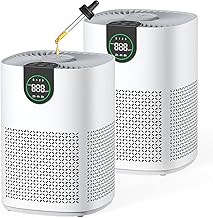
At a published 23dB this is the quietest unit here, and the 3.6L tank stretches across roughly four nights of low-output use — a real advantage if congestion and nosebleeds are seasonal and you want minimal daily upkeep. The integrated oil diffuser is a bonus, though I’d leave it unused if your nasal lining is already inflamed.
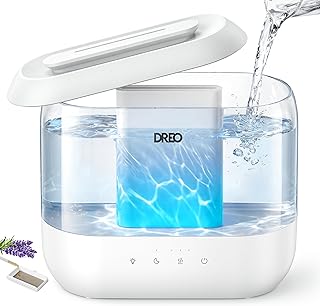
DREO 4L Humidifier (HM311)
The 36-hour runtime is the longest in this group, and 4L of capacity gives it the output to hold humidity steady in a larger or leakier bedroom where smaller units lose ground by morning. Refilling and cleaning are straightforward, and the dimmable nightlight is easy to switch off entirely.
DREO 3L New Edition
This is the pick if you want precise humidity control rather than guesswork — you set a target percentage and the unit modulates to hold it, which is the cleanest way to stay in the 40–50% window without over-humidifying. Thirty hours of runtime at 26dB covers the night comfortably.
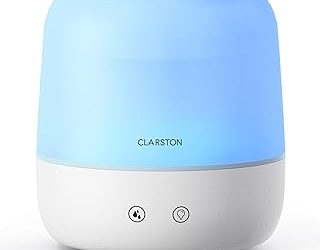
Clarston 2L Cool Mist Humidifier
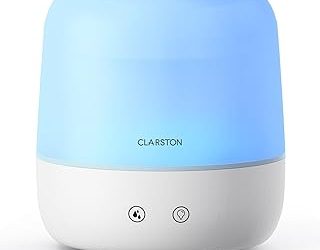
A strong compact option at 24dB with a 25-hour runtime, and the 360° nozzle lets you aim mist away from your bedding and toward the breathing zone. BPA-free construction and a simple top-fill tank keep maintenance uncomplicated.
Frequently Asked Questions
What humidity level stops nighttime nosebleeds?
Aim for 40–50% relative humidity. Below 30% the nasal mucosa dries and cracks; above 55% you start encouraging dust mites and mold. An inexpensive hygrometer placed at bedside height is worth buying alongside the humidifier.
Should the humidifier sit next to my bed?
Place it three to six feet away, on a hard surface at roughly mattress height or slightly above. Directly beside the pillow saturates your bedding rather than the air you breathe, and mist settling on fabric encourages mildew.
Do I need distilled water?
With ultrasonic units, distilled or demineralized water meaningfully reduces the fine white dust that hard tap water disperses — dust that can itself irritate airways. If you use tap water, descale with white vinegar weekly and rinse thoroughly.
When should I see a doctor instead?
Humidification addresses dry-air nosebleeds only. Seek medical evaluation for bleeds that are heavy, frequent, one-sided and persistent, last longer than 20 minutes with pressure, or occur alongside blood-thinning medication or easy bruising elsewhere.
Final Thoughts
For most bedrooms, the Levoit 2.5L is the sensible starting point — quiet, easy to keep clean, and long-running enough to cover a full night. Choose the DREO 4L HM311 if your room is large or your heating runs aggressively and you want maximum capacity, or the Homvana 3.6L if near-silence and multi-night refills matter most. Pair any of them with a hygrometer and a weekly cleaning habit, and dry-air nosebleeds usually resolve within a week or two.