Key takeaways
- Height over horsepower: A bench you can set between 30″ and 36″ lets you match the surface to the task — higher for detail work, lower for planing. Chronic forward flexion at a fixed-height bench is a reliable route to the kind of thoracic ache that surfaces the moment you’re horizontal.
- Thickness for damping: Aim for 1.5″ or thicker. Mass converts impact energy into heat rather than noise and vibration, which means less startle response for you and fewer complaints from anyone trying to sleep on the other side of the wall.
- Species and grain: Maple is the dense, hard-wearing benchmark; birch is lighter and more affordable; beech splits the difference. Denser species dent less, and a smooth surface means less unconscious hand-guarding as you work.
- Finish timing: Unfinished slabs need oiling. Do it on a weekend morning with the door open, not at 9 p.m. — solvent vapours in a connected garage can measurably fragment sleep for a night or two.
- Integrated power: Outlets at bench level cut the cord-shuffling and floor-level clutter that turns a twenty-minute task into an hour. Protecting the last hour before bed is worth more than most people realise.
What's inside
Most of us think of a workbench as a tool, not as part of a bedtime routine — but as someone who spends their days untangling why people wake at 3 a.m. with a sore shoulder, I’ve come to see the garage bench as one of the more overlooked variables in a household’s sleep picture. Evening is when hobby woodworking actually happens, and a bench that’s the wrong height, that flexes under a hand plane, or that booms and rattles with every mallet strike does two things at once: it loads your neck and lumbar spine right before you lie down, and it keeps your nervous system in a state of low-grade alertness long past the point where it should be tapering off. Buyers usually shop on load rating alone and end up with a surface that fights them.
This guide takes a different angle. Below you’ll find hardwood benches and butcher-block tops chosen for the qualities that matter after dark — mass that swallows vibration instead of amplifying it, thickness that resists deflection so you’re not leaning and bracing, and adjustable heights that let you work without hunching. I’ve also flagged which surfaces need an oil or finish before use, because off-gassing solvents in an attached garage are a genuine sleep disruptor in the first 48 hours. Prices and availability shift constantly, so check current listings before committing.
As an Amazon Associate we earn from qualifying purchases.


🛒 Best Price Today on Amazon
Prime members get fast, free shipping on everything above, plus member-only deals. New members get a 30-day free trial — cancel anytime.
How to Choose a/an Hardwood For Workbench (2026)
- Height over horsepower: A bench you can set between 30″ and 36″ lets you match the surface to the task — higher for detail work, lower for planing. Chronic forward flexion at a fixed-height bench is a reliable route to the kind of thoracic ache that surfaces the moment you’re horizontal.
- Thickness for damping: Aim for 1.5″ or thicker. Mass converts impact energy into heat rather than noise and vibration, which means less startle response for you and fewer complaints from anyone trying to sleep on the other side of the wall.
- Species and grain: Maple is the dense, hard-wearing benchmark; birch is lighter and more affordable; beech splits the difference. Denser species dent less, and a smooth surface means less unconscious hand-guarding as you work.
- Finish timing: Unfinished slabs need oiling. Do it on a weekend morning with the door open, not at 9 p.m. — solvent vapours in a connected garage can measurably fragment sleep for a night or two.
- Integrated power: Outlets at bench level cut the cord-shuffling and floor-level clutter that turns a twenty-minute task into an hour. Protecting the last hour before bed is worth more than most people realise.
The Best Hardwood For Workbench (2026)s Reviewed
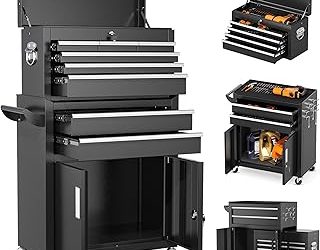
OLBRUS 48″ Adjustable Workbench with Power Outlet
The most complete package here: 2,000 lb capacity, a rubber pad that quiets tool chatter noticeably, and adjustability that lets you dial in a posture-neutral working height. The built-in outlet is the quiet hero — fewer trailing cords means fewer late-night detours.
Kreg Hardwood Bench Top (HWBT-3224)
Precision-machined and genuinely flat out of the box, which matters more than most buyers expect: a dead-flat reference surface removes the constant micro-corrections that tire your shoulders. At 24″ x 32″ it suits a compact shop or a dedicated assembly station.
Solid Maple Butcher Block Countertop, 24″ x 60″
Maple at 1.5″ thick over five feet is the sweet spot for damping — hammer blows land with a thud rather than a ring. Pair it with a heavy base and you have a bench that stays put and stays quiet.
BenchPro Height-Adjustable Oiled Butcher Block Table
Arrives already oiled, so there’s no curing period and no solvent smell to worry about, and the 30″–36″ range covers everything from seated electronics work to standing joinery. The 1″ top is thinner than ideal for heavy percussive work but perfectly sound for assembly and finishing.
Unfinished Birch Butcher Block Slab, 50″ x 25″
The value option: a full 1.5″ of solid birch that you finish to taste. Budget a morning for oiling and ventilation, and you’ll have a resilient, forgiving surface for a fraction of the maple price.
Frequently Asked Questions
Does workshop noise really affect sleep?
Yes — impact noise and vibration trigger arousal responses even when you don’t consciously register them, and a thin, resonant bench transmits far more of both. Mass and thickness are the cheapest acoustic fix available.
What bench height should I use?
A common starting point is wrist height when standing relaxed, then adjust upward for fine work. If you finish a session rolling your shoulders, your bench is almost certainly too low.
Maple or birch?
Maple for durability and dent resistance under heavy use; birch if budget matters more than the last ten percent of hardness. Both are well suited to bench duty at 1.5″ thickness.
How soon can I use an unfinished slab?
Mechanically, immediately — but apply your finish and allow full ventilation for a day or two before working in an enclosed space attached to your home.
Final Thoughts
For most people the OLBRUS 48″ adjustable bench is the strongest all-round buy, combining posture-friendly height adjustment with genuine mass and bench-level power. If you already own a solid base, the 24″ x 60″ solid maple top is the quietest, most durable surface in this lineup, while the Kreg HWBT-3224 is the pick for anyone who values a precision-flat reference above outright size.