Key takeaways
- Lay angle: Flat-lay designs with spreader bars or asymmetric cuts keep your lumbar curve supported and let side sleepers rotate. Deep-sag hammocks are fine for a nap, poor for eight hours.
- Bug net architecture: Look for a net held away from your face by ridgeline or poles. Fabric resting on your skin causes micro-arousals all night, even when nothing is biting.
- Rainfly coverage and airflow: A fly that extends past both ends blocks splash-back, but you still need ventilation gaps — trapped exhaled moisture is the main cause of clammy, cold hammock nights.
- Insulation strategy: Suspension compresses any sleeping bag beneath you. Plan for an underquilt or closed-cell pad below 60°F; no hammock tent insulates its own underside.
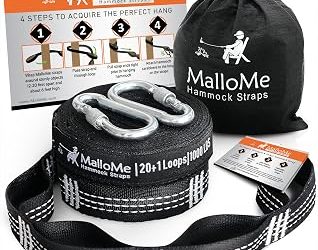
- Weight and setup time: Under three pounds is realistic for solo backpacking. Equally important: tree straps included, and a pitch you can complete in the dark without consulting a diagram.
What's inside
Anyone who has spent a night folded into a banana-shaped hammock knows the problem: the gear was never designed around how the human spine actually rests. Traditional camping hammocks compress the shoulders, push the hips into a hinge, and force side sleepers onto their backs whether they like it or not. Add condensation, a sagging bug net against your face, and cold air stripping heat from your underside, and you get a night of fragmented, shallow sleep — the kind that leaves you sore before the trail even starts.
Hammock tents in 2026 have largely solved this. Flat-lay geometry, structural spreader poles, integrated bug protection, and genuinely weatherproof rainflies now let you sleep in something close to a neutral posture, suspended off cold and uneven ground. Below, I’ve assessed the current standouts through a sleep-quality lens rather than a pure ounce-counting one: how flat you actually lie, how well the shelter regulates temperature and moisture, and how quickly you can pitch it when daylight is gone and your body is already asking for rest.
As an Amazon Associate we earn from qualifying purchases.


🛒 Best Price Today on Amazon
Prime members get fast, free shipping on everything above, plus member-only deals. New members get a 30-day free trial — cancel anytime.
How to Choose a Hammock Tent (2026)
- Lay angle: Flat-lay designs with spreader bars or asymmetric cuts keep your lumbar curve supported and let side sleepers rotate. Deep-sag hammocks are fine for a nap, poor for eight hours.
- Bug net architecture: Look for a net held away from your face by ridgeline or poles. Fabric resting on your skin causes micro-arousals all night, even when nothing is biting.
- Rainfly coverage and airflow: A fly that extends past both ends blocks splash-back, but you still need ventilation gaps — trapped exhaled moisture is the main cause of clammy, cold hammock nights.
- Insulation strategy: Suspension compresses any sleeping bag beneath you. Plan for an underquilt or closed-cell pad below 60°F; no hammock tent insulates its own underside.
- Weight and setup time: Under three pounds is realistic for solo backpacking. Equally important: tree straps included, and a pitch you can complete in the dark without consulting a diagram.
The Best Hammock Tents (2026) Reviewed
KAMMOK Mantis All-Season Hammock Tent
The Mantis is the most refined all-in-one system here — bug net, fly, straps, and hammock integrate cleanly, so setup stays fast and repeatable when you’re tired. Its all-season build and taut ridgeline keep the netting off your face and manage condensation better than most, making it the pick if consistent sleep quality outranks saving a few dollars.
Night Cat Flat Lay Hammock Tent (1-Person, Waterproof Rainfly)
Night Cat’s flat-lay geometry is the real story: it holds your torso close to level, which meaningfully reduces the shoulder squeeze and hip pressure that wake people at 3 a.m. The waterproof rainfly sheds steady rain well, and the whole package stays light enough for genuine backpacking.
Night Cat Flat Lay Hammock Tent, 330 lb Capacity
Essentially the same proven platform with a clearly stated 330-pound rating and an 87 x 28 x 19-inch sleeping envelope — useful specificity if you’re a larger sleeper who has been let go by vague capacity claims. Roomy enough to shift positions without the walls closing in, which matters more for uninterrupted sleep than any spec sheet suggests.
3-in-1 Camping Hammock Tent with Mosquito Net & Rainfly (Dark Green)
A sensible value option that combines hammock, bug net, and fly in one convertible shell, so you can strip it down to a bare hammock for a warm afternoon or seal it up for weather. The lay isn’t as flat as the dedicated flat-lay models, but for weekend trips and patio use it delivers a comfortable, protected night at a modest price.
Flat Lay 3-in-1 Hammock Tent with Tree Straps
This one splits the difference nicely: flat-lay support plus the 3-in-1 convertibility and included tree straps, which means fewer separate purchases and less fiddling at camp. A strong first hammock tent for someone transitioning from ground sleeping who wants a forgiving, adjustable setup.
Frequently Asked Questions
Can you actually sleep well in a hammock tent?
Yes — often better than on the ground, provided you use a flat-lay design and insulate underneath. Gentle suspension reduces pressure points, and many sleepers report fewer position changes per night than on a thin pad.
Are hammock tents suitable for side sleepers?
Flat-lay models with spreader poles or a wide asymmetric cut allow limited side sleeping. Deep-sag hammocks essentially force back sleeping, so choose geometry accordingly.
Do I still need a sleeping pad?
Below roughly 60°F, yes. Body weight compresses insulation beneath you, so use an underquilt or a closed-cell pad inside the hammock to prevent heat loss through the fabric.
How do I stop condensation inside the shelter?
Pitch the fly with airflow at both ends rather than sealing it tight, keep damp clothing outside your sleeping layer, and avoid low-lying, humid ground where cold air pools overnight.
Final Thoughts
For the most reliable night’s sleep, the KAMMOK Mantis remains the benchmark — integrated, weather-capable, and quick to pitch when you’re running on fumes. Budget-conscious sleepers should look hard at the Night Cat Flat Lay Hammock Tent for its genuinely level lay, or the Flat Lay 3-in-1 with tree straps if you want one shelter that adapts from patio afternoons to backcountry storms.