Key takeaways
- Cord material: Traditional cotton feels softest against bare skin and breathes beautifully, which matters because thermoregulation drives sleep onset — but it holds moisture and mildews if left out. Polyester cords like DuraCord shrug off rain, sun, and mildew while staying surprisingly supple, making them the better pick for hammocks that live outdoors year-round.
- Bed length versus your height: Aim for a bed roughly 24–30 inches longer than you are tall. Too short and your calves dangle over the edge, cutting circulation and forcing micro-adjustments that fragment light sleep. A 13-foot hammock suits most adults over 5’10” far better than an 11-foot one.
- Weave density and cord diameter: Tighter weaves with more knots per square foot distribute pressure across a wider area instead of concentrating it in ridges. If you can push two fingers easily through the mesh, expect pressure lines on your shoulders and hips.
- Spreader bar width and wood: Wider bars (55–60 inches) create a flatter, more stable bed that suits back sleepers and side-lying rest. Kiln-dried oak resists warping; softer woods bow over a couple of seasons and pull the bed out of level.
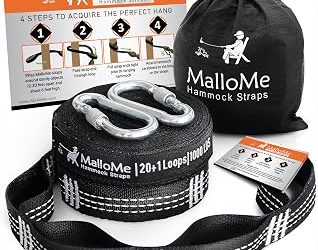
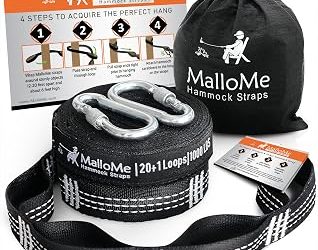
- Hardware and hanging kit: Zinc-plated or stainless steel rings, chains, and S-hooks prevent the rust bleed that stains cord and eventually fails. Included extension chains and tree straps also let you fine-tune the hang so the bed sits level with a gentle 30-degree curve — the single biggest lever on comfort.
What's inside
Most people shop for a rope hammock the way they shop for a beach towel — by color, by price, by whatever ships fastest. Then they lie down and discover the truth: a hammock is a sleep surface. If the weave sags into a taco, if the spreader bar twists, if the rope prints a waffle pattern into your shoulder after twenty minutes, you don’t get rest. You get a nap you have to recover from. As someone who spends their working life on sleep architecture and sleep environments, I can tell you the outdoor nap is one of the most underrated recovery tools available — but only when the surface supports neutral spinal alignment and lets your body settle rather than brace.
This guide looks at rope hammocks through that lens. Below you’ll find what actually determines comfort during a 40-minute afternoon doze: cord material and diameter, weave density, bed dimensions relative to your height, spreader bar geometry, and the hardware that keeps everything stable enough for your nervous system to let go. Then I review five of the strongest options available in 2026 and answer the questions I hear most from clients who want to build a genuine rest ritual into their backyard.
As an Amazon Associate we earn from qualifying purchases.


🛒 Best Price Today on Amazon
Prime members get fast, free shipping on everything above, plus member-only deals. New members get a 30-day free trial — cancel anytime.
How to Choose a Hammock Rope (2026)
- Cord material: Traditional cotton feels softest against bare skin and breathes beautifully, which matters because thermoregulation drives sleep onset — but it holds moisture and mildews if left out. Polyester cords like DuraCord shrug off rain, sun, and mildew while staying surprisingly supple, making them the better pick for hammocks that live outdoors year-round.
- Bed length versus your height: Aim for a bed roughly 24–30 inches longer than you are tall. Too short and your calves dangle over the edge, cutting circulation and forcing micro-adjustments that fragment light sleep. A 13-foot hammock suits most adults over 5’10” far better than an 11-foot one.
- Weave density and cord diameter: Tighter weaves with more knots per square foot distribute pressure across a wider area instead of concentrating it in ridges. If you can push two fingers easily through the mesh, expect pressure lines on your shoulders and hips.
- Spreader bar width and wood: Wider bars (55–60 inches) create a flatter, more stable bed that suits back sleepers and side-lying rest. Kiln-dried oak resists warping; softer woods bow over a couple of seasons and pull the bed out of level.
- Hardware and hanging kit: Zinc-plated or stainless steel rings, chains, and S-hooks prevent the rust bleed that stains cord and eventually fails. Included extension chains and tree straps also let you fine-tune the hang so the bed sits level with a gentle 30-degree curve — the single biggest lever on comfort.
The Best Hammock Ropes Reviewed (2026)
Castaway Living 13 ft. Double Hand Woven Cotton Rope Hammock
Hand-woven soft-spun cotton is still the gold standard for skin contact and airflow, and this 13-foot double gives taller sleepers the length they need to lie fully extended. Best for shaded porches or anywhere you can bring it in during wet weather, since cotton needs that respect to last.
Original Pawleys Island Large Oatmeal DuraCord Rope Hammock
At 13 by 55 inches with a kiln-dried oak spreader bar, this is my default recommendation for a true outdoor nap station — DuraCord resists mildew and UV fade without the plasticky stiffness of cheap polypropylene. The proportions strike an excellent balance between a flat, stable bed and enough cradle to feel held.
Original Pawleys Island Deluxe Oatmeal DuraCord Rope Hammock
The 60-inch bar makes this the flattest, most bed-like option here, which is exactly what back sleepers and couples who actually want to sleep should be looking for. It demands a wider hanging span, so measure your trees or stand before committing.
Original Pawleys Island Single Oatmeal DuraCord Rope Hammock
A 12-by-50-inch single that carries the same handcrafted construction and weather-resistant cord in a footprint that fits tighter patios and narrower porch runs. Ideal if the hammock is genuinely yours alone and you’d rather spend the space on a side table for a book.
Lazy Daze Double Handwoven Rope Hammock
The most travel-friendly pick, arriving with tree straps, carabiners, chains, and a carry bag so you can move your rest spot as the shade shifts. At 11 feet it runs shorter than the others, so sleepers over about 5’10” should size up elsewhere.
Frequently Asked Questions
Can you actually sleep well in a rope hammock?
Yes — the gentle sway and slight head elevation shorten sleep onset for many people, and a properly hung hammock supports a neutral spine. The catch is pressure distribution, which is why weave density and a quilted pad or blanket matter for anything longer than a short nap.
How high and how far apart should I hang it?
Plan on anchor points 13–16 feet apart for a 13-foot hammock, with hooks roughly 4–5 feet high, adjusted with chain until the bed sits 18 inches off the ground and level end to end. A hammock that hangs too taut is the most common comfort mistake I see.
Cotton or synthetic rope?
Cotton wins on softness and breathability; DuraCord and similar polyesters win decisively on weather resistance and lifespan. If the hammock stays outside unprotected, choose synthetic and don’t look back.
Does a 450 lb capacity mean two adults are fine?
Generally yes, and every hammock listed here carries that rating — but capacity assumes sound anchors. Verify your stand’s rating or the health of your trees, since hardware and support fail long before quality rope does.
Final Thoughts
If you want one hammock that will still be comfortable and intact in five years, the Pawleys Island Large DuraCord is the smart buy, with the Deluxe worth the upgrade if you have the span and want the flattest possible bed for real sleep. Purists who nap on a covered porch and love the feel of natural fiber should go with the Castaway Living cotton double instead — just bring it inside when the weather turns.