Key takeaways
- Check your manual first: Only add oil to the water tank if the manufacturer explicitly permits it. Otherwise use the aroma tray, a felt scent pad, or a standalone diffuser nearby — this single habit prevents the vast majority of humidifier failures.
- Purity over “fragrance”: Look for a single botanical name, country of origin, and steam-distilled or cold-pressed extraction. Terms like “premium grade” and “therapeutic grade” are marketing, not certification, so let the ingredient list do the talking.
- Match the oil to the outcome: Eucalyptus, peppermint, and menthol read as bright and clearing — ideal for congestion and daytime. Lavender, orange, and softer florals suit the hour before bed. Running a stimulating oil at lights-out works against your own sleep drive.
- Amber glass and a decent dropper: Volatile compounds degrade under light and heat. Dark glass bottles with orifice reducers keep an oil usable for a year or more; clear plastic packaging is a red flag.
- Sets versus singles: If you’re still learning what your body responds to, a multi-oil starter set is the cheaper experiment. Once you know your two or three reliable scents, buy those in larger volumes.
What's inside
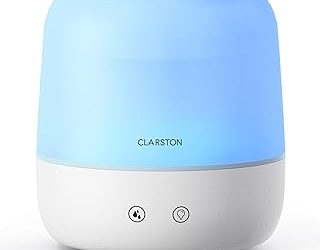
Most people don’t discover the humidifier-and-oil question until about 2 a.m., halfway through a dry-air winter, when their throat feels like sandpaper and their sinuses have quietly sealed shut. The instinct is reasonable: add something aromatic to the water tank and turn a plain appliance into a spa. But sleep hygiene lives in the details, and this is one of those places where the wrong move costs you a $60 machine — or a night of sleep. Plastic tanks and ultrasonic membranes were never engineered for volatile plant compounds, and oil residue is a well-documented cause of cracked reservoirs, gummed transducers, and voided warranties.
So here’s the honest framing for this guide: the oils below are excellent bedroom-aromatherapy oils, and several are marketed for humidifier use — but the safe way to run them is either in a humidifier with a dedicated aroma tray or scent pad, or in a separate ultrasonic diffuser placed near the humidifier. That combination gives you the humidity your airways want and the scent cues your nervous system responds to, without sacrificing hardware. Below, I’ve assessed six popular picks for purity, blend intelligence, and how well they actually support a wind-down routine.
As an Amazon Associate we earn from qualifying purchases.


🛒 Best Price Today on Amazon
Prime members get fast, free shipping on everything above, plus member-only deals. New members get a 30-day free trial — cancel anytime.
How to Choose a/an Essential Oil For Humidifier (2026)
- Check your manual first: Only add oil to the water tank if the manufacturer explicitly permits it. Otherwise use the aroma tray, a felt scent pad, or a standalone diffuser nearby — this single habit prevents the vast majority of humidifier failures.
- Purity over “fragrance”: Look for a single botanical name, country of origin, and steam-distilled or cold-pressed extraction. Terms like “premium grade” and “therapeutic grade” are marketing, not certification, so let the ingredient list do the talking.
- Match the oil to the outcome: Eucalyptus, peppermint, and menthol read as bright and clearing — ideal for congestion and daytime. Lavender, orange, and softer florals suit the hour before bed. Running a stimulating oil at lights-out works against your own sleep drive.
- Amber glass and a decent dropper: Volatile compounds degrade under light and heat. Dark glass bottles with orifice reducers keep an oil usable for a year or more; clear plastic packaging is a red flag.
- Sets versus singles: If you’re still learning what your body responds to, a multi-oil starter set is the cheaper experiment. Once you know your two or three reliable scents, buy those in larger volumes.
The Best Essential Oil For Humidifier (2026)s Reviewed
Majestic Pure Eucalyptus Essential Oil (4 oz)
A clean, unadulterated single-note eucalyptus in a generous 4-ounce bottle, which matters if you diffuse nightly through cold season. The aroma is sharp and camphorous rather than sweet — genuinely useful for steam inhalation and morning congestion, though I’d shift to something calmer within an hour of bedtime.
Nexon Botanics Breathe Blend (30 ml)
Eucalyptus, peppermint, rosemary, and niaouli make this one of the more thoughtfully constructed respiratory blends on the shelf; niaouli in particular adds a softer, less abrasive edge than menthol-forward formulas. My pick for anyone whose sleep is disrupted specifically by stuffiness rather than by racing thoughts.
Lagunamoon 6-Oil Aromatherapy Set
Peppermint, tea tree, lavender, eucalyptus, and orange in 10 ml bottles cover nearly every bedroom scenario, letting you test a wind-down scent without committing to a full-size purchase. Quality is solid mid-tier rather than artisanal, which is exactly the right trade-off for experimentation.
Handcraft Blends Eucalyptus Essential Oil (4 oz)
Comparable purity to the Majestic Pure bottle with a slightly greener, less medicinal profile, and it arrives with a glass dropper that makes dosing genuinely precise. Strong value per ounce for heavy diffuser users.
Breathe Blend with Peppermint & Eucalyptus
A more assertive, menthol-heavy take aimed at headaches, allergies, and blocked sinuses, and it’s formulated to work as a topical rub as well as a diffuser oil. Effective, but dilute it well and keep it away from young children’s faces and pillows.
Frequently Asked Questions
Can I put essential oil directly in my humidifier’s water?
Only if your manual says so. Oils can degrade plastic tanks and coat ultrasonic transducers, causing leaks and reduced output. Use an aroma tray, scent pad, or a nearby diffuser instead.
How many drops should I use?
Three to five drops per 100 ml of diffuser water is plenty for a bedroom. More scent doesn’t deepen sleep; it usually just triggers headaches.
Should the diffuser run all night?
No. A 30-to-60-minute cycle at lights-out builds the association between scent and sleep onset. Continuous exposure dulls your perception of the aroma and adds moisture you may not need.
Are these oils safe around pets and children?
Eucalyptus, peppermint, and tea tree can be harmful to cats, dogs, and infants. Diffuse in ventilated rooms, never in a closed nursery, and check with your vet or pediatrician first.
Final Thoughts
For most bedrooms, the Nexon Botanics Breathe Blend is the smartest all-round choice — a well-balanced respiratory formula that clears airways without overwhelming a small room. Choose the Handcraft Blends Eucalyptus if you want a large, pure single-note bottle for nightly use, or the Lagunamoon six-oil set if you’re still mapping out which scents genuinely help you fall asleep.