Key takeaways
- Noise floor, not just “quiet”: Look for a published decibel figure in the mid-20s to high-20s. A 24dB thermoelectric unit sits below the rustle of bedding; anything with a compressor will cycle audibly and is better suited to daytime or storage use than a night beside your head.
- Tank capacity versus overnight output: A 30–35 oz reservoir typically covers one damp night in a small van before auto shut-off engages. In a larger trailer with two sleepers and a wet bathroom, a 95 oz tank prevents the 3 a.m. beep-and-stop that ends useful operation halfway through the night.
- Light control: Ambient colour LEDs are pleasant at bedtime and disastrous at 2 a.m. Insist on a sleep mode or a light-off setting, since even dim blue-spectrum glow can suppress melatonin and fragment the second half of your sleep cycle.
- Power draw and your electrical reality: Peltier units typically pull 20–50W and run comfortably on modest battery-and-inverter setups. Compressor dehumidifiers draw several hundred watts and realistically require shore power or a generator, so match the technology to how you actually camp.
- Auto shut-off and travel security: Non-negotiable. A full-tank cutoff prevents overflow onto subfloor and wiring, and a unit you can empty, latch, and stow flat matters more in a moving vehicle than in a spare bedroom.
What's inside
Ask anyone who has woken up in a camper at 5 a.m. to find the windows fogged, the pillowcase faintly damp, and a mustiness clinging to the cushions, and they’ll tell you the same thing: the problem isn’t the temperature, it’s the moisture. In a space of 100 to 300 square feet with limited airflow, two sleeping adults exhale roughly a pint of water vapor overnight. Add a shower, a kettle, wet hiking boots, and a poorly sealed roof vent, and relative humidity inside an RV can climb past 70% before sunrise. That matters for sleep quality specifically, not just comfort. Above roughly 60% RH, the body’s ability to shed heat through evaporative cooling drops sharply, which interferes with the slight overnight decline in core temperature that healthy sleep depends on. The result is the shallow, restless, sweaty rest so many campers wrongly blame on the mattress.
This guide approaches camper dehumidifiers from a sleep-wellness perspective rather than a pure appliance-spec one. That means weighting noise floor, light pollution from indicator LEDs, tank capacity relative to an eight-hour night, and safe unattended operation at least as heavily as extraction rate. Below you’ll find picks spanning genuinely tiny Peltier units for teardrops and vans, mid-size 95 oz models for larger travel trailers and fifth wheels, and one heavy-duty compressor unit for anyone dealing with a damp storage season or a park-model setup with shore power. Each recommendation notes who it suits and, just as usefully, who should skip it.
As an Amazon Associate we earn from qualifying purchases.



How to Choose a Dehumidifier For Camper (2026)
- Noise floor, not just “quiet”: Look for a published decibel figure in the mid-20s to high-20s. A 24dB thermoelectric unit sits below the rustle of bedding; anything with a compressor will cycle audibly and is better suited to daytime or storage use than a night beside your head.
- Tank capacity versus overnight output: A 30–35 oz reservoir typically covers one damp night in a small van before auto shut-off engages. In a larger trailer with two sleepers and a wet bathroom, a 95 oz tank prevents the 3 a.m. beep-and-stop that ends useful operation halfway through the night.
- Light control: Ambient colour LEDs are pleasant at bedtime and disastrous at 2 a.m. Insist on a sleep mode or a light-off setting, since even dim blue-spectrum glow can suppress melatonin and fragment the second half of your sleep cycle.
- Power draw and your electrical reality: Peltier units typically pull 20–50W and run comfortably on modest battery-and-inverter setups. Compressor dehumidifiers draw several hundred watts and realistically require shore power or a generator, so match the technology to how you actually camp.
- Auto shut-off and travel security: Non-negotiable. A full-tank cutoff prevents overflow onto subfloor and wiring, and a unit you can empty, latch, and stow flat matters more in a moving vehicle than in a spare bedroom.
The Best Dehumidifier For Camper (2026)s Reviewed
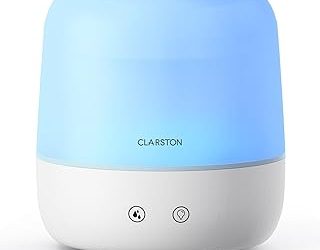
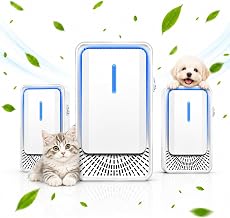
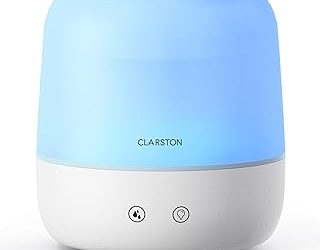
35 oz Quiet Dehumidifier for Bedroom & RV
At 28dB with a 280 sq ft rating, this is the sweet spot for most single-axle trailers and van conversions where the unit will sit within a few feet of the bed. The 35 oz tank generally lasts a full night at moderate humidity, and the seven-colour light doubles as an unobtrusive night light for anyone navigating to the bathroom in the dark.
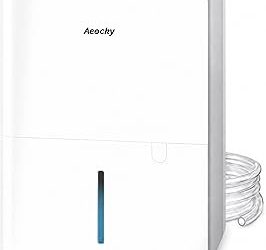
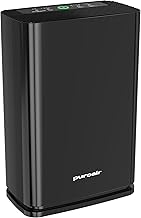
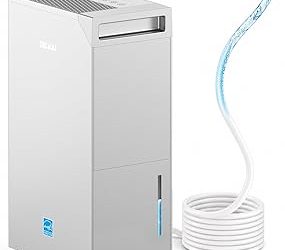
95 oz Dehumidifier for Home & Basement (Black)
The larger 95 oz reservoir is the practical answer for two sleepers in a fifth wheel, where a smaller tank fills and shuts down before morning. Rated to 1000 sq ft, it has real headroom for a damp shoulder-season week, though its footprint means you’ll want a designated corner rather than a countertop.
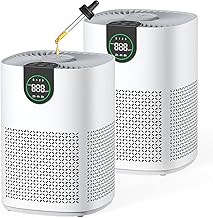
95 oz Dehumidifier with Sleep Mode (White)
Functionally similar to the black model above, but the explicit sleep mode is the deciding feature for light-sensitive sleepers, dimming or extinguishing the display without cutting extraction. This is the one I’d point a camper toward if the previous unit’s LEDs proved too bright at night.
30 oz Compact Ultra-Quiet Mini Dehumidifier
At a claimed 24dB, this is the quietest pick here and the right call for teardrops, truck campers, and wet-locker duty where every inch counts. Extraction is modest by design, so treat it as humidity maintenance for a very small volume rather than a rescue for an already-soaked interior.
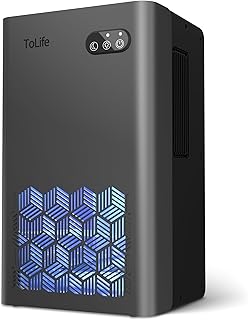
ToLife 95 oz Portable Dehumidifier (Grey)
A well-rounded large-tank option with sleep mode and auto shut-off, and a sensible choice for park models or seasonal sites where the camper stays put for weeks. The 1000 sq ft rating gives you the option of running it lower and slower, which is almost always the quieter approach.
Frequently Asked Questions
What humidity level should I target in a camper at night?
Aim for 40–50% relative humidity. That range suppresses mould and dust-mite activity while supporting normal evaporative cooling from the skin, and it avoids the dry-airway irritation that sets in below about 30%.
Will a small dehumidifier stop my windows fogging?
Partly. Condensation forms where warm moist air meets cold glass, so a Peltier unit will reduce it noticeably but won’t eliminate it on a freezing night. Pair the dehumidifier with a cracked roof vent and insulated window coverings for the best result.
Can I run one of these off battery power?
Thermoelectric models in the 20–50W range are realistic on a decent lithium bank with an inverter, budgeting roughly 0.2–0.5kWh over eight hours. Compressor units like the Waykar 80-pint essentially require shore power.
Should I leave it running while the camper is in storage?
Only with a continuous drain and a stable power source, since a full tank means the unit stops and moisture rebuilds. For unpowered storage, use desiccant tubs and adequate ventilation instead.
Final Thoughts
For most campers sleeping in a van or small trailer, the 35 oz Quiet Dehumidifier for Bedroom & RV offers the best balance of a genuinely low noise floor and enough overnight capacity to matter. Couples in larger trailers should step up to the 95 oz model with Sleep Mode for its light control and all-night runtime, while anyone tackling a damp storage season or a permanently sited park model will get far more from the Waykar 80-pint and its continuous drainage.