Key takeaways
- Reach versus ceiling height: Measure from your floor to the underside of the blades, then subtract your comfortable overhead arm reach. A 4-foot adjustable pole handles standard 8-foot ceilings; sloped, vaulted, or stairwell fans need the full 6-foot extension.
- Blade grip and width: A head that wraps both faces of the blade at once cuts your work in half and stops dust falling onto the bed. Check the sleeve accommodates your blade width — most residential blades run 4 to 6 inches.
- Dust retention, not dust movement: Dense chenille and split-fibre microfibre generate a mild static charge that holds particles in the pile. Stiff bristles and feathers do the opposite, which matters enormously in a bedroom.
- Washable, removable sleeves: Look for heads you can strip off and machine wash. A sleeve you can only rinse under a tap will stay saturated with fine dust and start redepositing it within a few uses.
- Multi-head kits: Extra attachments for cobwebs, blinds, skirting boards, and wardrobe tops mean one pole covers the whole overhead dust ecosystem, which is what actually improves the air you breathe at night.
What's inside
Most people don’t think about their ceiling fan until they turn it on for the first warm night of the year and get a face full of grey fuzz. As someone who spends most days talking with people about why their sleep quality dips seasonally, I can tell you that overhead dust is a quietly common culprit. A ceiling fan blade collects a felt-like layer of skin cells, textile fibres, and pollen, and every rotation lofts a portion of that into the air directly above your pillow. If you wake up with a stuffy nose, a scratchy throat, or that vaguely hungover feeling despite eight hours in bed, the blades three metres above your head deserve a look before you blame the mattress.
The trouble is that cleaning them properly is genuinely awkward. Balancing on a chair with a damp cloth spreads more dust than it captures, and a standard feather duster just relocates the problem to your bedding. A purpose-built ceiling fan cleaner solves this with a sleeved, U-shaped or wrap-around head on a telescoping pole, so you can trap debris rather than scatter it while keeping both feet on the floor. Below I’ve assessed the current crop of reusable microfibre fan dusters on reach, grip on the blade, and how well the sleeve holds onto what it collects — plus a short buying guide and answers to the questions I hear most often.
As an Amazon Associate we earn from qualifying purchases.



How to Choose a Ceiling Fan Cleaner (2026)
- Reach versus ceiling height: Measure from your floor to the underside of the blades, then subtract your comfortable overhead arm reach. A 4-foot adjustable pole handles standard 8-foot ceilings; sloped, vaulted, or stairwell fans need the full 6-foot extension.
- Blade grip and width: A head that wraps both faces of the blade at once cuts your work in half and stops dust falling onto the bed. Check the sleeve accommodates your blade width — most residential blades run 4 to 6 inches.
- Dust retention, not dust movement: Dense chenille and split-fibre microfibre generate a mild static charge that holds particles in the pile. Stiff bristles and feathers do the opposite, which matters enormously in a bedroom.
- Washable, removable sleeves: Look for heads you can strip off and machine wash. A sleeve you can only rinse under a tap will stay saturated with fine dust and start redepositing it within a few uses.
- Multi-head kits: Extra attachments for cobwebs, blinds, skirting boards, and wardrobe tops mean one pole covers the whole overhead dust ecosystem, which is what actually improves the air you breathe at night.
The Best Ceiling Fan Cleaners of 2026, Reviewed
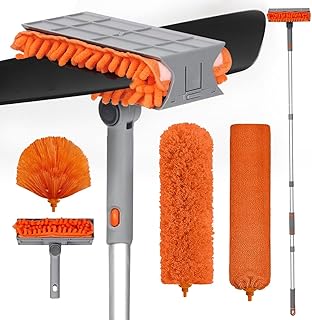
DRQ Reusable Microfiber Fan Duster (13–48″)
The pivoting, blade-hugging head here does the single most useful thing a fan cleaner can do: it sandwiches the blade so top and bottom surfaces come clean in one pass, with almost nothing shed onto the floor. The 13-to-48-inch pole makes it equally usable for a quick bookshelf sweep, which means it gets used more often — the real determinant of whether a fan stays clean.
Multi-Functional Fan Cleaner Kit with 6 Ft Pole
The strongest pick for anyone with vaulted ceilings or a fan over a stairwell, where the full 77 inches of extension earns its keep. The additional cobweb and blind attachments turn it into a proper overhead cleaning kit rather than a single-purpose tool, and the sleeves survive repeated machine washing without matting.
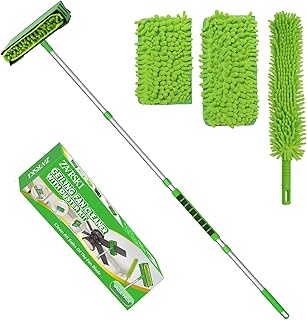
Chenille & Microfiber Kit with 72″ Handle
Chenille’s deep, looped pile is the best dust-trapping surface in this category, and pairing it with a flat microfibre mop head covers both blades and the ceiling above them. Particularly worth considering if allergies are part of why you sleep badly, since retention matters more than reach at that point.
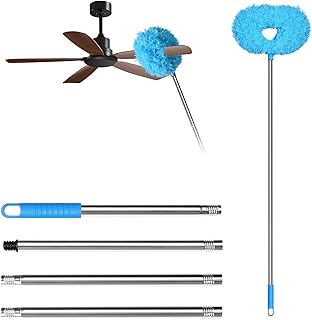
Microfiber Duster with 6 Ft/72″ Extension Pole
A well-balanced, no-nonsense option: the pole feels rigid rather than whippy at full extension, which is what stops you knocking the fan out of alignment. The reusable pads are broad enough to handle wide blades and generous skirting boards without repositioning.
Storystore Adjustable Microfiber Duster (13–50″)
Compact, light, and the easiest of the group to steer one-handed, making it the sensible choice for renters, smaller homes, or anyone who finds a long pole tiring to control overhead. Reach is modest, so it suits standard 8-foot ceilings best.
Frequently Asked Questions
How often should I clean my ceiling fan?
Every four to six weeks in a bedroom, and more often if you have pets, run the fan nightly, or live somewhere dusty. A light monthly pass takes under two minutes and prevents the compacted layer that requires real effort to shift.
Should I use the duster dry or damp?
Dry first, always — dampening a dust-caked blade creates a smear that bonds to the finish. Once the loose material is captured, a very slightly damp sleeve can remove residual grime from kitchen or bathroom fans.
Will this actually help me sleep better?
If airborne dust is aggravating your airways, yes: reduced nasal congestion means quieter breathing and fewer micro-awakenings. It’s not a substitute for a decent mattress or a consistent schedule, but it removes an irritant sitting directly in your breathing zone.
How do I wash the sleeves?
Remove them, wash cool with mild detergent, and skip fabric softener — it coats microfibre and destroys the static charge that makes it work. Air dry rather than tumble drying to preserve the fibre structure.
Final Thoughts
For most bedrooms, the DRQ Reusable Microfiber Fan Duster is the pick I’d make first: the wrap-around head keeps dust off your bedding, and the adjustable pole is versatile enough to earn regular use. If your fan sits high or on a slope, the Multi-Functional Kit with the 6 Ft pole gives you the reach and attachments to clean the whole overhead zone, while allergy sufferers should look hard at the Chenille & Microfiber Kit for its superior particle retention.