Key takeaways
- Overnight sound signature: Look past the advertised minimum decibel figure and consider the character of the noise. A broadband, low-frequency hum masks street sound and supports sleep continuity; a bubbling or ticking motor does the opposite. Units with a dedicated sleep mode that dims all indicators matter more than raw quietness.
- Filtration you can verify: True H13 HEPA media captures fine particulates down to the size range that irritates airways. Confirm the unit uses a replaceable pleated filter with a stated efficiency, and check the annual cost of cartridges before you commit — that recurring figure often exceeds the purchase price over three years.
- Tank capacity versus room size: A 400ml reservoir will not carry a bedroom through a dry winter night. Match tank volume to your square footage and target humidity; for anything over 200 sq ft, look for a multi-litre reservoir or a unit designed for continuous low output rather than intermittent bursts.
- Mist method and surface safety: Ultrasonic misting can deposit fine white mineral dust on wood, upholstery, and electronics if you use hard tap water. Evaporative and diffusion-based systems avoid this entirely, which is worth prioritising in a furnished bedroom.
- Cleaning access: Any device that holds standing water becomes a microbial concern within days. Choose top-fill designs with wide openings you can reach into, removable trays, and antimicrobial wicks — and be realistic about whether you’ll actually maintain a complicated multi-chamber assembly.
What's inside
Bedrooms are where air quality quietly does its most important work. Across seven or eight hours of unconscious breathing, a room that runs dry and dusty will nudge you into mouth-breathing, throat irritation, and the kind of shallow micro-arousals that never show up on a sleep tracker but leave you foggy at 7 a.m. Most shoppers arrive at this category after weeks of waking up parched or sneezing at dawn, then discover the market is split: filtration machines that strip particles but leave the air arid, and humidifiers that add moisture while doing nothing about dander or smoke. Running both means two footprints, two power cords, and two maintenance schedules on a nightstand that was never designed for either.
Combination units solve that tension, but only when the engineering is honest. This guide evaluates air cleaner and humidifier hybrids through a sleep-wellness lens: how quietly they hold a steady output through the night, whether the humidification method risks mineral fallout on your furniture, how easy the tank is to refill and dry out, and whether the filtration is genuine H13-class media or a token screen. Below you’ll find the current standouts, followed by a selection framework and answers to the questions that come up most often once a unit is actually running beside a bed.
As an Amazon Associate we earn from qualifying purchases.


How to Choose a/an Air Cleaner And Humidifier (2026)
- Overnight sound signature: Look past the advertised minimum decibel figure and consider the character of the noise. A broadband, low-frequency hum masks street sound and supports sleep continuity; a bubbling or ticking motor does the opposite. Units with a dedicated sleep mode that dims all indicators matter more than raw quietness.
- Filtration you can verify: True H13 HEPA media captures fine particulates down to the size range that irritates airways. Confirm the unit uses a replaceable pleated filter with a stated efficiency, and check the annual cost of cartridges before you commit — that recurring figure often exceeds the purchase price over three years.
- Tank capacity versus room size: A 400ml reservoir will not carry a bedroom through a dry winter night. Match tank volume to your square footage and target humidity; for anything over 200 sq ft, look for a multi-litre reservoir or a unit designed for continuous low output rather than intermittent bursts.
- Mist method and surface safety: Ultrasonic misting can deposit fine white mineral dust on wood, upholstery, and electronics if you use hard tap water. Evaporative and diffusion-based systems avoid this entirely, which is worth prioritising in a furnished bedroom.
- Cleaning access: Any device that holds standing water becomes a microbial concern within days. Choose top-fill designs with wide openings you can reach into, removable trays, and antimicrobial wicks — and be realistic about whether you’ll actually maintain a complicated multi-chamber assembly.
The Best Air Cleaner And Humidifier (2026)s Reviewed
Blueair 2-in-1 Pro Air Purifier & Humidifier
The most technically accomplished option here, pairing HEPASilent filtration rated to 99.97% particle capture with a 360° dry-mist system that raises humidity without wetting nearby surfaces — a genuine advantage in rooms with veneered or upholstered furniture. Coverage to 1,875 sq ft means it can run gently at low speed in a bedroom instead of labouring, which is exactly the behaviour you want overnight.
Sharp KC850U Air Purifier with Humidifier Combo
Sharp’s evaporative approach sidesteps mineral dust altogether and self-regulates toward a comfortable equilibrium rather than saturating the room. It is the sensible choice for anyone who wants set-and-forget operation with a long service history behind the design.
4-in-1 HEPA Air Purifier Humidifier Combo with UV Light
A well-balanced large-room performer covering up to 1,035 sq ft, layering HEPA media with UV treatment of the water path — a meaningful addition given how quickly reservoirs can turn. Best suited to open-plan bedrooms or master suites where a smaller unit would simply cycle too hard.
Air Purifier and Humidifier Combo for Bedroom (H13 HEPA)
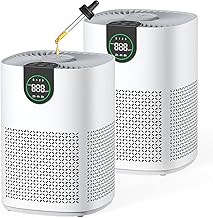
Compact, quiet, and honest about its scope: genuine H13 filtration for spaces up to 300 sq ft with top-fill convenience. The 400ml tank suits shorter runs or milder climates rather than all-night humidification, making this a strong nursery or guest-room pick.
Aozale Water-Based Air Cleaner & Humidifier
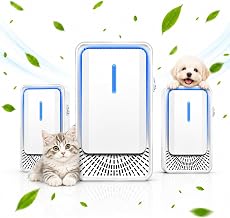
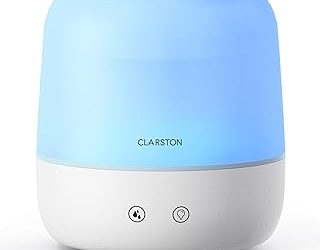
A water-based system that combines gentle particle capture with aroma diffusion and a soft LED glow, plus a white-noise output some sleepers find genuinely settling. Treat it as a bedside comfort device rather than a substitute for HEPA-grade filtration.
Frequently Asked Questions
What humidity level is best for sleep?
Aim for 40–50% relative humidity. Below 30%, nasal passages dry out and you’re more likely to mouth-breathe and wake with a sore throat; above 60%, dust mites and mould thrive. An inexpensive hygrometer placed at mattress height is more useful than trusting a unit’s onboard sensor.
Should I use distilled water?
With ultrasonic misting, yes — or at minimum filtered water. Tap minerals become airborne dust that settles on furniture and can be inhaled. Evaporative and wick-based systems trap minerals in the wick instead, so tap water is acceptable provided you replace the wick on schedule.
Can these units run all night?
Most can, but check whether the humidifier auto-shuts off when the tank empties, and whether the purifier continues running afterward. Larger reservoirs and sleep modes exist precisely so you’re not woken by a beep at 3 a.m.
How often does the water need cleaning?
Empty and dry the reservoir daily if possible, and descale weekly with a mild vinegar solution. Standing water left for several days can culture bacteria that the unit will then disperse into the air you’re breathing — the opposite of the intended benefit.
Final Thoughts
For most bedrooms, the Blueair 2-in-1 Pro is the strongest all-round investment: serious filtration, dry-mist humidification that won’t mark your furniture, and enough headroom to run quietly rather than hard. The Sharp KC850U is the low-maintenance alternative for anyone who values evaporative simplicity, while the compact H13 HEPA bedroom combo covers smaller rooms and nurseries at a far gentler price. Whichever you choose, commit to the cleaning routine — a well-maintained modest unit will always outperform a neglected flagship.