Key takeaways
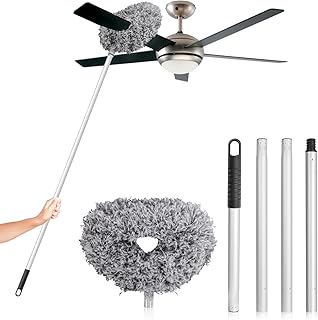
- Standard 8-foot ceilings: A compact telescoping model is plenty. The DRQ Ceiling Fan Cleaner Duster extends from 13 to 48 inches and collapses small enough to live in a linen closet rather than a garage.
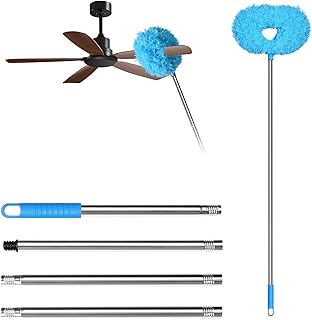
- 9-foot ceilings and low-profile mounts: The FONUNO Ceiling Fan Cleaner extends to 50 inches, and the Storystore Adjustable Microfiber Duster reaches a similar span with a 4.2-foot working length.
- Vaulted or stairwell fans: The Eyliden 68″ Adjustable Ceiling Fan Duster is the one to look at, and at three-quarters of a pound it doesn’t develop that wobbling, wrist-straining lever effect at full extension.
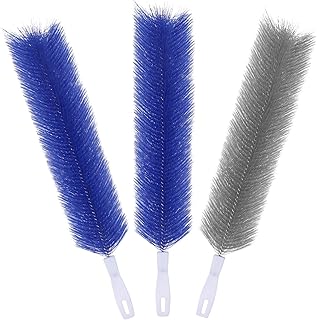
- Tight spots and add-on jobs: A set like the 3 Pcs Bendable Cobweb Duster handles pedestal fan cages, return-air vents, and window blinds — the other dust reservoirs in a bedroom.
What's inside
Ask most people why they clean a ceiling fan and they’ll say it looks bad. Fair enough — but I come at this from a different direction. I spend my working life helping people sleep better, and one of the most overlooked culprits in a restless bedroom is the fuzzy grey ridge sitting on the leading edge of the fan above the bed. When that fan spins, it doesn’t just move air; it redistributes whatever has settled on it. Dust mite debris, skin flakes, pet dander, and pollen get lofted into the breathing zone right where you spend seven or eight hours a night. For anyone with allergic rhinitis or mild asthma, that’s a recipe for congestion at 3 a.m., mouth breathing, and the kind of shallow, fragmented sleep that leaves you groggy no matter how long you were in bed.
The good news is that this is one of the cheapest fixes in the entire sleep-hygiene playbook. Below, I’ll walk you through the method I recommend to clients — a low-mess, no-ladder approach that takes about four minutes per fan — plus how to choose a tool that actually reaches your blades, how often to repeat it depending on your household, and the mistakes that turn a quick chore into a dust storm. Our recommended picks are just below.
As an Amazon Associate we earn from qualifying purchases.



Why Dry Dusting Beats Wet Wiping (Most of the Time)
Instinct says grab a damp cloth. Resist it. Water plus fine dust equals a smeared paste that dries into a stubborn film, and on the painted MDF blades used in a lot of budget fans, repeated moisture causes swelling and delamination at the edges. A dense microfiber pile traps particles electrostatically and holds them, which is exactly what you want in a bedroom — capture, not relocation. Save the damp pass for kitchen fans, where cooking aerosol bonds grease to dust and dry cloths simply glide over it. Even then, wring the cloth nearly dry and follow immediately with a dry side.
Choosing the Right Tool for Your Ceiling Height
Reach is the single specification that determines whether this becomes a habit or a chore you avoid. Measure from the floor to the underside of your fan blades, then subtract your own comfortable overhead reach — roughly your height plus 20 inches — to find the pole length you actually need.
- Standard 8-foot ceilings: A compact telescoping model is plenty. The DRQ Ceiling Fan Cleaner Duster extends from 13 to 48 inches and collapses small enough to live in a linen closet rather than a garage.
- 9-foot ceilings and low-profile mounts: The FONUNO Ceiling Fan Cleaner extends to 50 inches, and the Storystore Adjustable Microfiber Duster reaches a similar span with a 4.2-foot working length.
- Vaulted or stairwell fans: The Eyliden 68″ Adjustable Ceiling Fan Duster is the one to look at, and at three-quarters of a pound it doesn’t develop that wobbling, wrist-straining lever effect at full extension.
- Tight spots and add-on jobs: A set like the 3 Pcs Bendable Cobweb Duster handles pedestal fan cages, return-air vents, and window blinds — the other dust reservoirs in a bedroom.
The Sleeve Design That Actually Matters
Look for a U-shaped or pocket-style microfiber head that sleeves over the blade and grips top, bottom, and leading edge in one pass. Flat pads only clean the surface you can see, which means the underside stays coated and keeps shedding. Dual-sided 360-degree heads, like the one on the Eyliden, let you flip to a clean face partway through instead of dragging accumulated grime along the fifth blade. The other non-negotiable is a removable, washable sleeve. Disposable heads guarantee you’ll skip the job once the last one’s gone.
The Four-Minute Method
Turn the fan off and give it thirty seconds to stop fully — never brake a blade with the tool. Lay an old sheet or towel over the bed and nightstands; catching fallout is faster than vacuuming it out of bedding later. Working from the motor housing outward, sleeve each blade and draw the duster to the tip in one slow, continuous stroke. Slow is the whole trick: fast strokes fling particles airborne, while a deliberate pull lets the fibres grab them. Do the pull chain and housing last, fold the sheet inward on itself, and shake the sleeve outdoors — never over an indoor bin.
How Often, and When
Every two weeks for bedroom fans in homes with pets, smokers, or diagnosed allergies; monthly otherwise. Time it for the morning or early afternoon, never right before bed — you want several hours of settling and ventilation before you lie down beneath it. During local pollen peaks, tighten the interval, since fans pull in whatever comes through open windows.
Tips
- Machine wash sleeves on cold with detergent only. Fabric softener coats the fibres and destroys their grip.
- Open a window and run your HVAC fan for twenty minutes afterwards to clear anything that escaped.
- Check the direction switch while you’re up there — counterclockwise in summer, clockwise on low in winter.
- Wipe the light kit and bulbs at the same time. A dusty shade can cut usable light by a third.
Frequently Asked Questions
Can a dirty ceiling fan really affect my sleep?
Indirectly, yes. It won’t wake you on its own, but airborne allergens drive nasal congestion, and congestion pushes you toward mouth breathing and more frequent arousals. Reducing the particle load in the air directly above your bed is a reasonable, low-cost step.
Should I use a vacuum with a brush attachment instead?
It works if you have a HEPA-filtered vacuum and an extension wand, but it’s awkward overhead and the suction rarely conforms to the blade’s curve. A sleeved microfiber duster is faster and quieter.
Do I need to lubricate or check anything while cleaning?
Most modern fans use sealed bearings and need no oiling. Do give the downrod a gentle wiggle — persistent wobble usually means loose canopy screws or unbalanced blades, both easy fixes.
What about the pillowy dust inside the motor housing?
A dry bendable brush or a can of compressed air from below clears the vents. Don’t open the housing; there’s nothing serviceable in there for most homeowners.
Conclusion
A ceiling fan is the only appliance in your bedroom that spends all night blowing air directly at your face, which makes it worth ten minutes of attention a month. Match the pole length to your ceiling, choose a washable sleeved microfiber head, dust dry and slowly, and schedule it for daytime. It’s a small, unglamorous habit — and one of the few that improves both how your room looks and how you actually feel when the alarm goes off.