Key takeaways
- Detail attachments over floor pads: A flat microfiber head glides over grout channels without touching them. Insist on a stiff-bristle detail brush and a concentrator nozzle — that’s the hardware that actually reaches into the recessed line where mildew colonizes.
- Sustained heat, not peak heat: Marketing loves peak temperature figures. What sanitizes is continuous output over a 20-second dwell on one spot. Canister units with pressurized boilers hold heat far better than lightweight stick designs.
- Tank capacity versus your actual room: A 15-ounce reservoir handles a powder room. A full bathroom-plus-hallway session needs 40 ounces or more, unless you enjoy waiting through reheat cycles mid-job.
- Variable steam control: Sealed porcelain tolerates maximum output; older cement grout, natural stone, and luxury vinyl do not. Adjustable settings protect your substrate and prevent the grout erosion that creates new moisture traps.
- Cord reach and weight balance: Twenty-three feet of cord lets you finish a bathroom without unplugging. Equally important — if the unit is awkward enough that you dread using it, it won’t get used, and unused equipment sanitizes nothing.
What's inside
Ask most people what’s keeping them up at night and they’ll blame caffeine, screens, or stress. Rarely do they blame the grout under their feet. But as someone who spends their days troubleshooting sleep environments, I’ve learned that bedroom and bathroom floors are quietly hostile places: grout lines are porous, they trap moisture, and they host the mildew spores and dust mite debris that inflame airways at 2 a.m. If you wake up congested, clear your throat before you speak, or feel vaguely stuffy in your own home, the tile in your en suite is worth investigating before you buy another pillow.
Steam is the right tool for this job because it sanitizes without leaving a chemical residue behind — and residue matters when you’re breathing the same air for eight hours. This guide covers what actually separates a grout-capable steamer from a floor-polisher with a fancy label, how much pressure and heat you genuinely need, and which six models earn their place in a wellness-minded home. Below you’ll find current picks, followed by my selection criteria and hands-on notes.
As an Amazon Associate we earn from qualifying purchases.





How to Choose a Steam Mop For Grout And Tile (2026)
- Detail attachments over floor pads: A flat microfiber head glides over grout channels without touching them. Insist on a stiff-bristle detail brush and a concentrator nozzle — that’s the hardware that actually reaches into the recessed line where mildew colonizes.
- Sustained heat, not peak heat: Marketing loves peak temperature figures. What sanitizes is continuous output over a 20-second dwell on one spot. Canister units with pressurized boilers hold heat far better than lightweight stick designs.
- Tank capacity versus your actual room: A 15-ounce reservoir handles a powder room. A full bathroom-plus-hallway session needs 40 ounces or more, unless you enjoy waiting through reheat cycles mid-job.
- Variable steam control: Sealed porcelain tolerates maximum output; older cement grout, natural stone, and luxury vinyl do not. Adjustable settings protect your substrate and prevent the grout erosion that creates new moisture traps.
- Cord reach and weight balance: Twenty-three feet of cord lets you finish a bathroom without unplugging. Equally important — if the unit is awkward enough that you dread using it, it won’t get used, and unused equipment sanitizes nothing.
The Best Steam Mops For Grout And Tile (2026), Reviewed
McCulloch MC1385 Canister Steam Cleaner
This is the machine I recommend to anyone with a genuine mildew problem rather than a tidiness preference — the pressurized canister sustains output long enough to loosen years of buildup, and the 23-accessory kit includes the narrow brushes that grout actually requires. It’s heavier and slower to set up than a stick mop, which is exactly the trade-off you make for real sanitizing power.
BISSELL PowerFresh 1940A
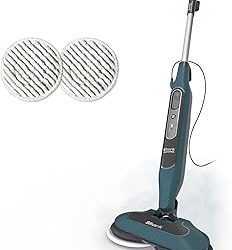
The best all-rounder for maintenance cleaning, with a flip-down scrubber that handles the high-traffic strip in front of a vanity and three steam levels for switching between porcelain and laminate. Its 12-inch path covers open bathroom floors quickly, though deeply recessed grout will still want a detail attachment.
H2O X5 5-in-1 Steam Mop
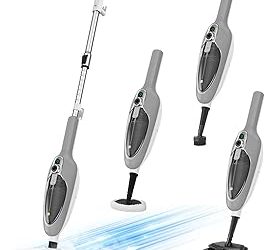
A sensible bridge between floor mop and handheld — detach the pod and the grout, window, and garment tools turn one purchase into a small arsenal. Output is milder than a canister unit, making it a strong fit for sealed modern tile and weekly upkeep rather than restoration work.
10-in-1 MultiPurpose Steam Mop with 11 Accessories
Excellent value for a first steamer, particularly in apartments where storage space rules out a canister. The accessory bundle is genuinely useful across bathroom tile, shower door tracks, and mattress-adjacent upholstery, though the smaller tank means planning your session in stages.
10-in-1 Steam Mop with Adjustable Steam & Height
The adjustable handle height deserves more credit than it gets: correct posture is why a 40-minute grout session doesn’t leave you with a sore lower back at bedtime. Pair the 23-foot cord with the detail nozzle and it handles a two-bathroom home competently.
Frequently Asked Questions
Can steam cleaning genuinely improve sleep quality?
Indirectly, yes. Reducing mildew and dust mite allergens in bedrooms and adjoining bathrooms lowers nighttime nasal congestion, which is a well-documented contributor to fragmented sleep and snoring. It’s an environmental adjustment, not a cure for insomnia.
Will steam damage my grout?
Sealed grout in good condition handles it fine. Cracked or unsealed cement grout can erode under high pressure, so start on a low setting, test an inconspicuous corner, and reseal every year or two.
How long should I wait before sleeping in a steamed room?
Ventilate for 60 to 90 minutes with a fan or open window. Steam adds humidity, and elevated bedroom humidity works against both comfortable thermoregulation and mildew prevention.
Do I still need chemical cleaners?
Rarely. Steam handles routine sanitizing on its own, which is the point — no fragrance compounds or surfactant residue lingering in the air of a room where you breathe deeply for a third of your life.
Final Thoughts
For entrenched grout grime, the McCulloch MC1385 is the only pick here with the sustained pressure to do the job properly. For ongoing maintenance in a healthy home, the BISSELL PowerFresh 1940A offers the best balance of scrubbing power and ease of use, while the H2O X5 suits smaller spaces where versatility matters more than raw output. Choose the one you’ll reach for without hesitation — consistency, in cleaning as in sleep, beats intensity.