Key takeaways
- Base and shape first: Unscrew one existing bulb before ordering. Fan fixtures split almost evenly between E26 medium-screw and E12 candelabra sockets, and the compact A15 or slim B10 profiles fit shallow shades that a standard A19 bulb will not clear.
- Color temperature by room, not by habit: Reserve 5000K daylight for kitchens, laundry areas, garages, and home offices. In bedrooms, 2500K–3000K keeps evening light warm enough that it doesn’t compete with your natural drop in alertness before bed.
- Dimmability if the fixture supports it: A dimmable bulb on a wall dimmer or fan remote lets one fixture serve as bright task lighting at 6 p.m. and low ambient light at 10 p.m. Non-dimmable LEDs on a dimmer circuit will buzz, flicker, or fail early.
- Brightness per socket, not per room: Most fan fixtures hold three to five bulbs. At 600 lumens each, a four-light fan delivers roughly 2,400 lumens — plenty for a bedroom, arguably too much unless you can dim it. Drop to 380-lumen bulbs in smaller spaces.
- CRI and flicker quality: Look for CRI 85 or higher so skin tones, wood grain, and textiles read accurately. Low-flicker drivers matter more than spec sheets suggest — visible flicker contributes to eye fatigue and headaches during long evening sessions.
What's inside
Ceiling fans occupy an awkward position in home lighting: they sit dead center in the room, usually in a bedroom or living space, and they broadcast whatever bulb you screw into them across every surface. Most people discover the problem the hard way — a fan fixture that came with 5000K daylight bulbs turns a bedroom into a dental office at 10 p.m., while the wrong bulb in a reading nook leaves you squinting. Add the physical constraints (candelabra sockets, shallow glass shades, tight housings that only fit A15 or B10 shapes) and the fact that fan vibration shortens the life of poorly built bulbs, and a simple purchase becomes genuinely confusing.
I look at lighting the way I look at any sleep-hygiene variable: light is a signal, and the bulbs directly above your bed are sending that signal for hours every evening. This guide covers what actually matters — base type, bulb shape, color temperature and its effect on evening alertness, dimmability, and color rendering — then reviews the strongest multi-pack options available in 2026 for both cool-white task rooms and warm, wind-down bedrooms.
As an Amazon Associate we earn from qualifying purchases.


How to Choose a Light Bulb For Ceiling Fan (2026)
- Base and shape first: Unscrew one existing bulb before ordering. Fan fixtures split almost evenly between E26 medium-screw and E12 candelabra sockets, and the compact A15 or slim B10 profiles fit shallow shades that a standard A19 bulb will not clear.
- Color temperature by room, not by habit: Reserve 5000K daylight for kitchens, laundry areas, garages, and home offices. In bedrooms, 2500K–3000K keeps evening light warm enough that it doesn’t compete with your natural drop in alertness before bed.
- Dimmability if the fixture supports it: A dimmable bulb on a wall dimmer or fan remote lets one fixture serve as bright task lighting at 6 p.m. and low ambient light at 10 p.m. Non-dimmable LEDs on a dimmer circuit will buzz, flicker, or fail early.
- Brightness per socket, not per room: Most fan fixtures hold three to five bulbs. At 600 lumens each, a four-light fan delivers roughly 2,400 lumens — plenty for a bedroom, arguably too much unless you can dim it. Drop to 380-lumen bulbs in smaller spaces.
- CRI and flicker quality: Look for CRI 85 or higher so skin tones, wood grain, and textiles read accurately. Low-flicker drivers matter more than spec sheets suggest — visible flicker contributes to eye fatigue and headaches during long evening sessions.
The Best Light Bulb For Ceiling Fan (2026)s Reviewed
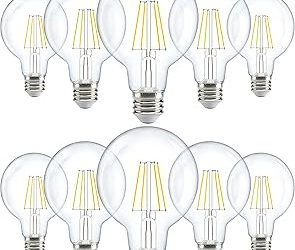
A15 LED E26 5000K Daylight, 6-Pack
This is the crisp, high-contrast option: 600 lumens of 5000K daylight from a 6W A15 body that slips into shades where a full-size bulb won’t fit. Excellent for kitchen and utility-room fans, but I’d steer bedroom sleepers toward something warmer — and note it’s non-dimmable, so check your switch.
Cotanic E26 4000K Natural Daylight, 6-Pack
At 4000K, Cotanic threads the needle between clinical white and cozy amber, which makes it a smart default for living rooms and hallways that see both daytime and evening use. CRI 85+ keeps furniture and paint colors honest, and the compact A15 shape fits chandelier-style fan fixtures cleanly.
E12 LED Candelabra 5000K Daylight, 6-Pack
The same daylight formula in a candelabra base, which solves the most common fitment mistake buyers make with older fan light kits. Efficient at 6W for 600 lumens, and a sensible bulk buy if you’re relamping multiple fixtures at once.
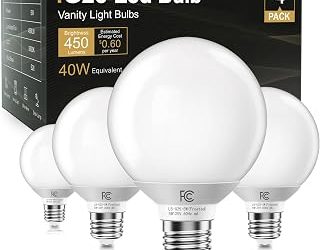
A15 LED 3000K Soft White, Dimmable, 6-Pack
My pick for bedrooms. Soft white 3000K output plus genuine dimmability means you can taper light levels through the evening rather than flipping between glare and darkness — the single most useful lighting upgrade for anyone protecting their sleep onset.
MEQIQTEK E12 Incandescent 2500K, 12-Pack
Sometimes the old technology still wins on quality of light: 2500K clear incandescent glass dims smoothly to a candle-like glow no LED fully replicates. Expect shorter lifespan and higher energy use, but for a bedroom or covered porch fan where ambience is the whole point, it’s a defensible choice.
Frequently Asked Questions
What color temperature is best for a bedroom ceiling fan?
Stay between 2500K and 3000K. Warm, low-intensity light in the last hour or two before bed is far less likely to delay your natural sleep timing than bright bluish-white light directly overhead.
Why do bulbs in my ceiling fan burn out so quickly?
Vibration. Fan motors transmit constant micro-movement into the socket, which fatigues incandescent filaments and cheap LED solder joints. Quality LEDs with solid internal construction typically outlast incandescents by a wide margin in fan fixtures.
Can I use a non-dimmable LED with a fan remote or dimmer?
No. Non-dimmable LEDs on a dimming circuit flicker audibly and visibly and often fail within weeks. Either install dimmable bulbs or replace the dimmer with a standard switch.
Do I need A15 or will a regular A19 bulb work?
If your fixture has enclosed glass shades or a tight bowl, A15 is the safer bet — it fits where A19 either won’t seat or traps heat against the glass, shortening bulb life.
Final Thoughts
For most bedrooms, the A15 3000K Soft White dimmable set is the one I’d install tonight — warm enough for evenings, adjustable enough for mornings. Choose the Cotanic 4000K 6-pack for living areas and hallways that need clean neutral light, and the E12 5000K LEDs if you have candelabra sockets in a kitchen or workspace fan that demands real brightness.