Key takeaways
- Standard 8-foot ceilings: an adjustable-handle model in the 13-to-48-inch range, such as the FONUNO or the 13-to-49.7-inch reusable duster, is plenty.
- 9- to 10-foot ceilings: step up to a dedicated 6-foot extension pole so you can work flat-footed rather than on tiptoe.
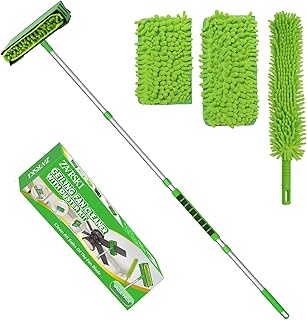
- Vaulted, stairwell, or two-story great-room fans: the LAANPOLE kit, with its 5-to-20-foot pole and roughly 26 feet of total reach, is the category built for these — and it doubles as a cobweb and molding tool.
What's inside
Ceiling fans occupy a strange blind spot in home care: they hover directly above the place where you spend a third of your life, yet most people only notice them when a gray fringe of dust becomes visible from the pillow. From a sleep-wellness standpoint, that matters more than it sounds. A fan is essentially a low-speed air pump aimed at your breathing zone. Whatever settles on those blades — skin cells, textile fibers, pollen tracked in from outdoors, cooking aerosols, pet dander — gets flung back into circulation the moment you switch it on for the night. People who wake with a scratchy throat, a stuffy nose, or that faintly hungover feeling after a full eight hours are often reacting to airborne irritants, not to the sleep itself.
The good news is that fan blades are one of the easiest maintenance tasks in the house once you stop trying to do it from a wobbling chair with a bath towel. Below you’ll find a method that keeps dust contained instead of redistributing it, guidance on choosing a tool that actually fits your ceiling height, a realistic cleaning cadence, and the specific mistakes that cause streaked blades and unbalanced wobble. Everything here is written for the person who wants this done properly in ten minutes, twice a season.
As an Amazon Associate we earn from qualifying purchases.



Why Dry Capture Beats Wet Wiping (Most of the Time)
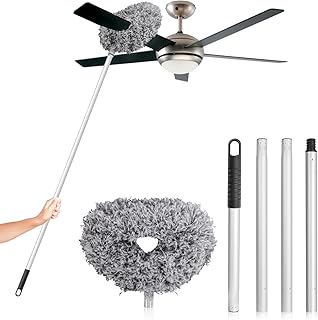
The instinct to attack a dusty blade with a damp cloth is understandable and usually wrong as a first move. Dust on a fan blade sits in a loose, static-clinging layer. Introduce moisture and that layer becomes a paste that smears into the wood grain or laminate finish, then dries into a film you’ll be scrubbing at for twenty minutes. Always begin dry, using a microfiber sleeve that traps particles electrostatically rather than pushing them around. Only after the bulk of the debris is captured should you follow with a barely damp pass — and only if there’s genuine grime, such as the sticky residue fans collect in kitchens or homes with candle and incense use. A slotted duster that hugs both faces of the blade at once, like the DRQ or SetSail reusable fan dusters, does the dry stage in a single stroke per blade, which is the whole point.
Match the Pole to Your Ceiling, Not Your Optimism
The single biggest reason fan cleaning gets postponed is a tool that doesn’t reach. Measure floor-to-blade height before buying anything, then subtract roughly the distance from your shoulder to the floor to estimate the extension you actually need.
- Standard 8-foot ceilings: an adjustable-handle model in the 13-to-48-inch range, such as the FONUNO or the 13-to-49.7-inch reusable duster, is plenty.
- 9- to 10-foot ceilings: step up to a dedicated 6-foot extension pole so you can work flat-footed rather than on tiptoe.
- Vaulted, stairwell, or two-story great-room fans: the LAANPOLE kit, with its 5-to-20-foot pole and roughly 26 feet of total reach, is the category built for these — and it doubles as a cobweb and molding tool.
Contain the Fallout Before You Start
Turn the fan off at the wall and give the blades ten seconds to stop completely; never brake them by hand, which stresses the motor mount. Then think about where the dust will land. Drape a sheet over the bed, drag a laundry basket beneath the fan to catch heavier clumps, and if anyone in the household has asthma or seasonal allergies, wear a simple mask and open a window. Work from the center hub outward along each blade, one blade at a time, so you’re never re-dirtying a surface you’ve already finished. Finish by wiping the light fixture and the motor housing, where dust accumulates on the upward-facing curves nobody thinks to check.
Blade Balance, Wobble, and the Sound You Sleep Through
Uneven dust buildup is a real, if minor, contributor to fan wobble, and wobble creates the low-frequency hum and click that fragments sleep without fully waking you. While you’re up there, check that each blade sits at the same height by measuring from the ceiling to a blade tip, then rotating the fan and measuring the next. A variation of more than about an eighth of an inch usually means a loose blade screw — tighten gently. Snug the screws at the blade irons too, but don’t overtorque; stripped threads are worse than a slight wobble.
How Often Is Often Enough
For a bedroom fan in regular use, a light dry dusting every two to four weeks prevents buildup from ever becoming a project, with a thorough clean at each seasonal changeover — spring, when pollen season begins, and autumn, when you reverse the blade direction for winter. Homes with pets, smokers, or nearby construction should compress that schedule. Rinse and air-dry your microfiber sleeves between uses; a saturated pad stops capturing and starts spreading.
Tips
- Slip an old pillowcase over each blade and pull it back toward you — the fabric captures dust on both surfaces and keeps it bagged.
- Add a drop of dish soap to your rinse water for kitchen-adjacent fans; degreasers are unnecessary and can dull painted finishes.
- Wash microfiber sleeves separately from cotton laundry and skip fabric softener, which coats the fibers and kills their static grab.
- Clean fans in the morning, then run the fan on high for fifteen minutes with a window open so any stirred-up particles clear well before bedtime.
Frequently Asked Questions
Can I use a vacuum with a brush attachment instead?
Yes, and it’s excellent for capture — but only if you can reach the blades safely and support them from above. Pressing upward with a vacuum wand while standing on a ladder is how blade brackets get bent. An extension duster is generally the safer choice for overhead work.
Are the microfiber sleeves actually washable?
The reusable pads on models like the FONUNO, DRQ, and SetSail dusters are designed for repeated machine or hand washing. Expect useful life to drop after many dozens of cycles as the fibers flatten; most kits, including the LAANPOLE, include or sell replacement cloths.
Will cleaning my fan really improve my sleep?
Indirectly, and meaningfully for some people. A clean fan circulates fewer irritants and runs quieter, both of which reduce nighttime arousals. It won’t fix insomnia, but it removes an easily controlled variable that’s sitting right over your head.
What about the pull chains and glass shades?
Dust the chains with the same microfiber pad, and remove glass shades to wash in warm soapy water — dried insects and dust inside a shade reduce light output noticeably. Dry glass completely before reinstalling to avoid water spots and heat stress.
Conclusion
Treat your ceiling fan as part of your bedroom air system rather than as decor, and the maintenance logic becomes obvious: capture dust dry, use a tool with enough reach that the job never feels like a chore, keep the blades balanced, and repeat on a light schedule instead of an occasional heroic one. A slotted microfiber duster matched to your ceiling height — a compact adjustable model for standard rooms, a long-reach kit for vaulted spaces — costs less than a single night of poor sleep and pays that back every time you switch the fan on.