Key takeaways
- Seat height range: Measure from floor to your desk surface, then subtract 10–12 inches. Most standing desks land between 38 and 46 inches, so look for a cylinder spanning roughly 22″–30″. A chair that only reaches 27″ will leave you reaching upward all day, which loads the shoulders and neck — a reliable precursor to tension headaches at night.
- Footrest ring quality: This is the single most underrated component. A fixed ring at the wrong height is worse than none, because it forces hip abduction to reach it. Prioritise rings with 5–7 inches of independent vertical adjustment and a diameter wide enough that your knees stay under 90 degrees of flexion.
- Lumbar contact, not lumbar marketing: Perching shifts your pelvis forward, which flattens the lower back curve. You want a backrest that follows you into that forward-leaning posture — adjustable-depth lumbar pads or a flexing mesh panel — rather than a rigid plate that only makes contact when you’re bolt upright.
- Breathability versus wipe-down: Elevated seating puts more of your bodyweight through a smaller contact patch, so heat builds faster. Mesh disperses it and suits warm rooms or afternoon sun. Faux leather looks sharper in shared spaces and cleans instantly, but pair it with a room temperature at the lower end of comfortable.
- Base diameter and flip-up arms: Tall chairs raise your centre of gravity, so insist on a wide five-star base — narrow bases wobble at maximum extension. Flip-up armrests are genuinely useful here, letting you tuck fully under the desk when you shift from perch to seated work.
What's inside
Standing desks solved one problem and quietly created another. After the first hour on your feet, calf tension creeps upward, your lower back starts negotiating, and by mid-afternoon you’re leaning on the desk edge like it owes you money. From a sleep-wellness standpoint, that matters more than most people realize: unresolved postural fatigue is one of the most common reasons otherwise healthy adults report restless legs, hip tightness at bedtime, and that wired-but-wrecked feeling at 10 p.m. A standard office chair can’t rescue you either — it sits eight to twelve inches too low, forcing you to collapse the desk every time you want to perch.
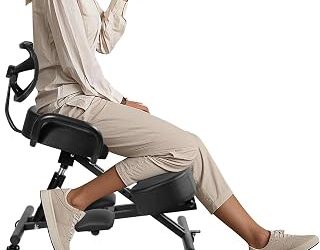
A drafting chair is the missing middle gear. It lets you shift between standing, half-perching, and fully seated without breaking your workflow, which spreads load across more muscle groups and keeps blood moving through the lower legs. That’s the same principle behind evening leg elevation: reduce venous pooling during the day and your nervous system has less to sort out overnight. Below I’ve assessed six popular 2026 models on seat-height range, footrest design, lumbar geometry, and breathability — the four variables that actually determine whether you finish the day recovered or depleted.
As an Amazon Associate we earn from qualifying purchases.


How to Choose a Drafting Chair For Standing Desk (2026)
- Seat height range: Measure from floor to your desk surface, then subtract 10–12 inches. Most standing desks land between 38 and 46 inches, so look for a cylinder spanning roughly 22″–30″. A chair that only reaches 27″ will leave you reaching upward all day, which loads the shoulders and neck — a reliable precursor to tension headaches at night.
- Footrest ring quality: This is the single most underrated component. A fixed ring at the wrong height is worse than none, because it forces hip abduction to reach it. Prioritise rings with 5–7 inches of independent vertical adjustment and a diameter wide enough that your knees stay under 90 degrees of flexion.
- Lumbar contact, not lumbar marketing: Perching shifts your pelvis forward, which flattens the lower back curve. You want a backrest that follows you into that forward-leaning posture — adjustable-depth lumbar pads or a flexing mesh panel — rather than a rigid plate that only makes contact when you’re bolt upright.
- Breathability versus wipe-down: Elevated seating puts more of your bodyweight through a smaller contact patch, so heat builds faster. Mesh disperses it and suits warm rooms or afternoon sun. Faux leather looks sharper in shared spaces and cleans instantly, but pair it with a room temperature at the lower end of comfortable.
- Base diameter and flip-up arms: Tall chairs raise your centre of gravity, so insist on a wide five-star base — narrow bases wobble at maximum extension. Flip-up armrests are genuinely useful here, letting you tuck fully under the desk when you shift from perch to seated work.
The Best Drafting Chair For Standing Desk (2026)s Reviewed
Ergonomic Executive Mesh Drafting Chair (22″–30″ Seat, 7″ Lift Footrest Ring)
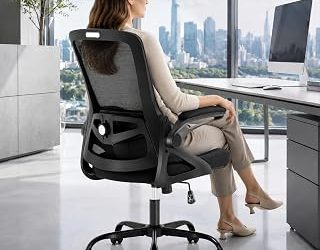
The most complete adjustment package in this group: a genuine 22″–30″ range covers almost every desk height on the market, and the 7-inch footrest travel means your feet find neutral support rather than compromise. The breathable mesh back is the right call for anyone who runs warm or works long afternoon blocks.
Tall Office Chair with Flip-up Armrests and Adjustable Footrest Ring (Black)
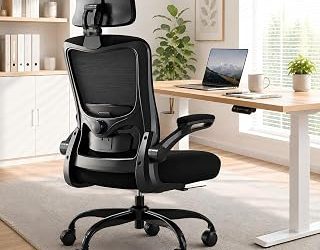
A clean, no-nonsense execution of the fundamentals — flip-up arms, a height-adjustable ring, and defined lumbar support without a premium price. Best suited to users of average height who don’t need the full 30-inch extension.
Misolant Drafting Chair (Leather, Counter-Height Desk)
Sensible pick for kitchen-island setups and shared home offices where a mesh task chair looks out of place. The leather seat is firm enough to discourage slumping, though I’d keep the room cool and take standing breaks rather than sitting through three consecutive hours.
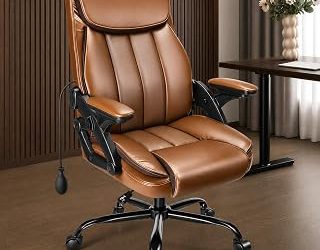
Ergonomic Standing Desk Drafting Chair (Premium Faux Leather, Multi-Function Arms)
The multi-function arms are the differentiator — height, pivot, and width adjustment let you support your forearms properly during detail work, which unloads the trapezius. The mid-back profile encourages active perching instead of full recline.
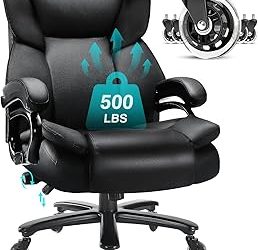
Misolant Leather Drafting Chair (High Executive, Flip-up Armrest)
A taller-backed executive interpretation with more upper-thoracic coverage, useful if you alternate between focused perching and longer seated calls. Smooth height adjustment and a stable base make transitions painless.
Frequently Asked Questions
How long should I actually sit in a drafting chair?
Aim for cycles rather than totals: roughly 20–30 minutes standing, 20–30 minutes perched, then a properly seated stretch. The goal is variation, not endurance — static postures of any kind are what leave your legs buzzing at bedtime.
Does perching count as standing or sitting?
Physiologically it sits between the two. Your hips stay open, your feet keep bearing partial load, and the calf muscle pump stays partially active, which is why perching produces less lower-limb swelling than conventional seating.
Is mesh or leather better for a tall chair?
Mesh for thermal comfort and long sessions; leather for appearance and easy cleaning. If you tend to overheat in the evening — a common disruptor of sleep onset — mesh is the more sensible investment.
Can a drafting chair help with evening leg discomfort?
Indirectly, yes. Consistent footrest support and regular posture changes reduce daytime venous pooling and hip flexor tightness, both of which contribute to fidgety, uncomfortable legs after lights out. It’s a supporting measure, not a medical treatment — persistent symptoms warrant a clinician’s opinion.
Final Thoughts
For the widest fit range and the best footrest engineering, the Ergonomic Executive Mesh Drafting Chair with the 22″–30″ cylinder is my overall recommendation. If your workspace demands something more polished, the Premium Faux Leather model’s multi-function arms deliver real ergonomic value, while the Misolant Leather Drafting Chair remains the smart budget-conscious choice for counter-height desks.