Key takeaways
- Seat-height range: Measure from floor to desk surface at your standing height, then subtract roughly 10–12 inches. A cylinder spanning 22″–30″ suits most desks between 34″ and 42″; anything shorter leaves you reaching upward, which loads the shoulders and neck.
- Footrest ring design: A ring that adjusts vertically — ideally with several inches of travel — matters more than raw seat height. Dangling feet compress the underside of the thigh and throttle venous return, which is the mechanism behind that heavy-legged, foggy feeling by mid-afternoon.
- Lumbar contact, not lumbar decoration: Look for a pad or curve you can raise, lower, or tension. Perching at height tilts the pelvis backward, so the support needs to sit precisely at your natural lordotic curve rather than somewhere generic.
- Weight capacity and base diameter: Tall chairs are inherently less stable. A 350–450 lb rating usually signals a wider nylon or steel base and thicker gas lift — meaning less sway when you lean into a task, which quietly reduces the micro-bracing that tires you out.
- Breathability and armrest clearance: Mesh backs manage the heat your body generates while semi-standing; flip-up arms let you tuck fully under a desk or lean into detailed work. Both reduce the small frictions that make you avoid the chair altogether.
What's inside
As someone who spends most of my working life studying recovery — how bodies wind down, how fatigue accumulates, how posture at 3 p.m. shows up as restlessness at 11 p.m. — I’ve come to see the standing desk as a half-finished idea. People invest in the height-adjustable frame, then perch on whatever stool is nearest, and by evening their lower back is doing the complaining. Standing all day isn’t the goal; varied loading is. The missing piece is a seat that meets you at counter height so you can shift between standing, perching, and true sitting without breaking your rhythm or your circulation.
This guide covers six drafting chairs built specifically for elevated desks, judged on the criteria that actually influence how you feel at the end of a shift: seat-height range, footrest geometry, lumbar contact, weight capacity, and breathability. Below you’ll find quick-reference cards, a buying framework, hands-on style assessments of the top five, and answers to the questions readers send me most.
As an Amazon Associate we earn from qualifying purchases.


How to Choose a Drafting Chair For Standing Desk (2026)
- Seat-height range: Measure from floor to desk surface at your standing height, then subtract roughly 10–12 inches. A cylinder spanning 22″–30″ suits most desks between 34″ and 42″; anything shorter leaves you reaching upward, which loads the shoulders and neck.
- Footrest ring design: A ring that adjusts vertically — ideally with several inches of travel — matters more than raw seat height. Dangling feet compress the underside of the thigh and throttle venous return, which is the mechanism behind that heavy-legged, foggy feeling by mid-afternoon.
- Lumbar contact, not lumbar decoration: Look for a pad or curve you can raise, lower, or tension. Perching at height tilts the pelvis backward, so the support needs to sit precisely at your natural lordotic curve rather than somewhere generic.
- Weight capacity and base diameter: Tall chairs are inherently less stable. A 350–450 lb rating usually signals a wider nylon or steel base and thicker gas lift — meaning less sway when you lean into a task, which quietly reduces the micro-bracing that tires you out.
- Breathability and armrest clearance: Mesh backs manage the heat your body generates while semi-standing; flip-up arms let you tuck fully under a desk or lean into detailed work. Both reduce the small frictions that make you avoid the chair altogether.
The Best Drafting Chairs For Standing Desk (2026)s Reviewed
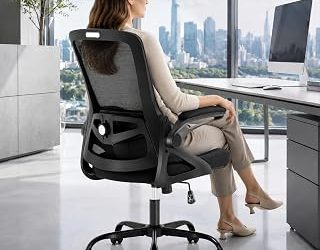
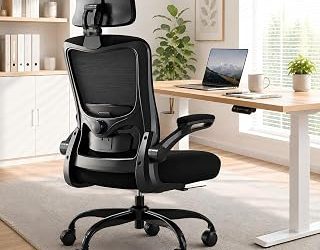
Ergonomic Mesh Drafting Chair, 22″–30″ Seat with 7″ Lift Footrest Ring
The seven-inch adjustable footrest ring is the standout here — it’s the widest travel I’ve seen at this price, and it lets shorter and taller users find genuine foot contact rather than compromising. Combined with the 22″–30″ cylinder and flip-up arms, it’s the most adaptable option for households where two people share one desk.
Drafting Chair with Flip-up Armrests and Lumbar Support (Black)
A clean, uncomplicated executive-style pick: breathable back, adjustable ring, and arms that swing out of the way when you switch to a standing interval. It’s the chair I’d suggest to someone transitioning to a standing setup who doesn’t yet know how many hours they’ll spend seated versus upright.
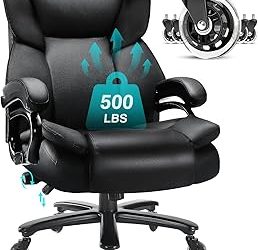
Big and Tall 450 lb Heavy-Duty Drafting Chair
The 450 lb rating comes with a genuinely wider, thicker cushion and a substantial base, and that mass translates into noticeably less lateral sway at full height. If stability has been your reservation about tall chairs, this addresses it directly, and the adjustable lumbar pad earns its keep on longer sessions.
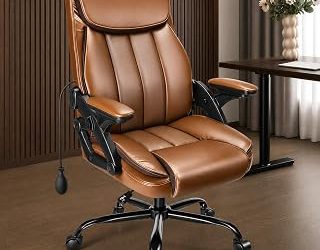
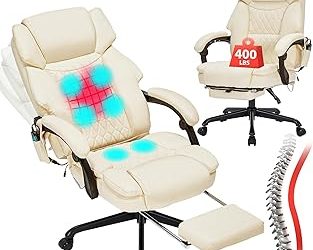
PU Leather Drafting Chair, 400 lb Capacity
The upholstered seat is the pick for cooler rooms and client-facing home offices where mesh reads too utilitarian. Just be realistic about airflow — PU traps warmth, so it suits shorter seated stretches punctuated by standing better than an eight-hour marathon.
Adjustable Tall Drafting Stool for Artists
Lighter and more minimal than the executive models, this one is built around freedom of movement — ideal for easel work, sewing, or lab benches where you pivot and reach constantly. It trades some plushness for maneuverability, which is the right trade for active, task-based work.
Frequently Asked Questions
Does sitting in a drafting chair defeat the purpose of a standing desk?
No. The research-backed benefit of a standing desk is postural variation, not continuous standing — prolonged static standing carries its own costs, including venous pooling and lower-limb fatigue. A perch-height chair simply gives you a third position between standing and full sitting.
How does daytime seating affect sleep quality?
Indirectly but meaningfully. Poor daytime positioning contributes to muscular tension and discomfort that surface once you’re lying still, and discomfort is one of the most common triggers of prolonged sleep onset and nighttime awakenings. Reducing accumulated strain is a legitimate part of sleep hygiene.
What footrest height should I use?
Set it so your thighs slope slightly downward and your feet rest flat with knees at or just below hip level. If you feel pressure at the back of the thigh, the ring is too low; if your knees crowd the desk, raise the seat first.
Are flip-up armrests worth prioritizing?
Yes, if you alternate frequently between standing and perching, or work close to the desk edge. They let you slide fully under the surface, keeping your wrists neutral instead of drifting into extension.
Final Thoughts
For most readers, the 22″–30″ mesh model with the 7″ lift footrest ring offers the widest fit range and the best long-session comfort, making it my overall recommendation. Choose the Big and Tall 450 lb chair if stability and cushion depth are your priorities, or the PU Leather 400 lb model if you want a warmer, more polished look for a shared home office — and whichever you pick, spend ten minutes dialing in the footrest before you judge it.