Key takeaways
- Runtime over raw tank size: What matters is whether the unit survives from lights-out to alarm at your chosen output level. A 2L tank on low can outlast a 6L tank on high, so read the hours, not just the litres — and aim for eight-plus at your working setting.
- Noise floor under 30 dB: Anything louder intrudes on the lighter sleep stages in the second half of the night. Look for a published decibel figure and be sceptical of units that only claim to be “whisper quiet” without a number attached.
- Cool mist versus warm steam: Cool mist is safer around children and pets and uses less electricity. Warm steam raises humidity faster, kills waterborne organisms in the boiling chamber, and pairs with medicated vapour pads if you want that added sensation of openness.
- Cleanability, honestly assessed: A tank you can reach into with a hand and a cloth will actually get cleaned weekly. Narrow-necked reservoirs breed biofilm, and aerosolised bacteria will aggravate the exact sinuses you’re trying to soothe.
- Output control and auto shut-off: Over-humidifying past 55% invites dust mites and mould, both major sinus triggers. Adjustable mist levels, a 360° nozzle to direct moisture away from walls, and a dry-tank cutoff are non-negotiable.
What's inside
Sinus discomfort rarely announces itself at a convenient hour. It waits until you’re horizontal, lights off, and then the pressure behind your cheekbones builds, one nostril seals shut, and you spend the next hour rotating pillows in search of an airway. As a sleep-wellness practitioner, I see this pattern constantly in winter and shoulder-season months, and the culprit is almost always the same: indoor air that has dropped well below the 40–50% relative humidity range your nasal cilia need to move mucus efficiently. Dry air thickens that mucus, slows drainage, and inflames the tissue lining your sinuses — a self-reinforcing loop that no amount of nasal spray fully resolves.
A well-chosen humidifier interrupts that loop at the source. But the market is crowded with units that either run too loud for a bedroom, hold too little water to survive the night, or harbor biofilm that makes congestion worse. This guide narrows the field to six units I consider genuinely bedroom-appropriate for sinus sufferers, explains the specifications that actually matter for nasal comfort, and answers the questions I hear most often in consultations. Whether you want a set-and-forget tank that runs for two nights or a warm-steam unit for chest-and-sinus relief, there’s a match below.
As an Amazon Associate we earn from qualifying purchases.




How to Choose a/an Humidifier For Sinus Issues (2026)
- Runtime over raw tank size: What matters is whether the unit survives from lights-out to alarm at your chosen output level. A 2L tank on low can outlast a 6L tank on high, so read the hours, not just the litres — and aim for eight-plus at your working setting.
- Noise floor under 30 dB: Anything louder intrudes on the lighter sleep stages in the second half of the night. Look for a published decibel figure and be sceptical of units that only claim to be “whisper quiet” without a number attached.
- Cool mist versus warm steam: Cool mist is safer around children and pets and uses less electricity. Warm steam raises humidity faster, kills waterborne organisms in the boiling chamber, and pairs with medicated vapour pads if you want that added sensation of openness.
- Cleanability, honestly assessed: A tank you can reach into with a hand and a cloth will actually get cleaned weekly. Narrow-necked reservoirs breed biofilm, and aerosolised bacteria will aggravate the exact sinuses you’re trying to soothe.
- Output control and auto shut-off: Over-humidifying past 55% invites dust mites and mould, both major sinus triggers. Adjustable mist levels, a 360° nozzle to direct moisture away from walls, and a dry-tank cutoff are non-negotiable.
The Best Humidifier For Sinus Issues (2026)s Reviewed
Everlasting Comfort 6L Cool Mist Humidifier
With a 50-hour runtime on its largest tank, this is the unit I recommend to people who travel or simply resent refilling appliances — you can fill it Sunday and forget it until midweek. The filterless design removes a recurring cost and a common maintenance failure point, and its output is genuinely sufficient for a master bedroom or open-plan space.
Homvana 3.6L Top-Fill Humidifier
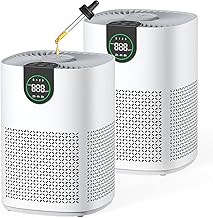
The top-fill reservoir is the quiet hero here: you refill it from a jug without inverting a sloshing tank over the carpet, which meaningfully increases the odds you’ll keep it clean. At 23 dB it’s the quietest unit on this list, and the integrated oil diffuser lets you add eucalyptus for that subjective sense of nasal openness before sleep.
Vicks Warm Steam Vaporizer
For congestion that sits in both the sinuses and the chest, warm steam does something cool mist cannot — and the 1.5-gallon tank plus VapoPad compatibility makes this the most therapeutic-feeling option available. Keep it well away from bedsides and children given the heated water, and treat the gentle bubbling sound as part of the package.
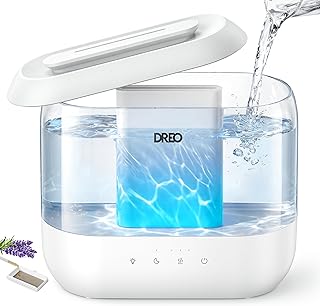
DREO 4L Humidifier (HM311)
A 36-hour runtime at 28 dB puts this in the sweet spot for most bedrooms: two full nights per fill without audible intrusion. The wide-mouth design makes weekly cleaning genuinely quick, which is the single strongest predictor of whether a humidifier helps or hinders your sinuses long-term.
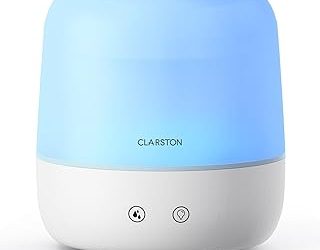
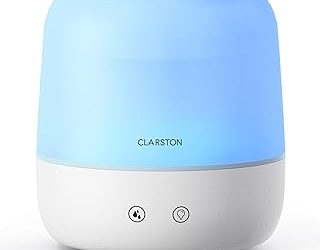
Clarston 2L Cool Mist Humidifier
At 24 dB with a 25-hour runtime, this compact unit is the one I suggest for smaller bedrooms, nurseries, and anyone whose nightstand has limited real estate. The 360° nozzle matters more than the modest tank size — aim it toward open floor rather than a headboard and it comfortably conditions the air you’re actually breathing.
Frequently Asked Questions
What humidity level should I target for sinus relief?
Aim for 40–50% relative humidity. Below 35%, nasal tissue dries and mucus thickens; above 55%, you create favourable conditions for dust mites and mould, both of which are far more likely to trigger sinus inflammation than dry air ever was. A £10 hygrometer placed across the room from the unit is the cheapest sinus investment you can make.
Cool mist or warm mist for congestion?
Both raise humidity effectively, so choose on practicalities. Warm steam feels more immediately decongesting and sterilises its own water, making it appealing during acute illness. Cool mist is safer, cheaper to run, and better suited to nightly year-round use — which is what most chronic sinus sufferers actually need.
How often does a bedroom humidifier need cleaning?
Empty and dry the tank daily if practical, and descale with white vinegar or a manufacturer-approved solution weekly. This is not fussiness: ultrasonic units aerosolise whatever is in the water, and a neglected reservoir will deliver bacteria directly to the sinus tissue you’re trying to protect.
Should I use tap water or distilled?
Distilled water is preferable, particularly in hard-water areas. Minerals in tap water produce white dust that settles on furniture and can be inhaled, and they accelerate scale buildup that shortens the unit’s life. If you use tap water, expect to descale more frequently.
Final Thoughts
For most people with sinus issues, the DREO HM311 strikes the best balance of runtime, near-silent operation, and easy cleaning, making it the unit most likely to still be running properly a year from now. Choose the Everlasting Comfort 6L if you want maximum time between refills in a larger bedroom, or the Vicks Warm Steam Vaporizer when you want the added decongesting effect of medicated warm vapour during a flare-up. Whichever you pick, pair it with a hygrometer and a weekly cleaning routine — the appliance only helps if the air it delivers stays clean.