Key takeaways
- Heel cushioning over forefoot bounce: Standing loads the heel almost constantly, unlike walking, which distributes force across a gait cycle. Look for a thick, resilient heel stack — memory foam or air-cushioned units — rather than the springy forefoot plates marketed to runners.
- Structured arch, not just soft padding: Softness alone lets your arch collapse over hours, which is what produces that late-afternoon ache along the inner foot and up the shin. A contoured, semi-firm arch shelf holds position far longer than plush foam.
- A breathable upper you can wear all day: Warm, damp feet raise your core temperature and make the evening wind-down harder. Engineered mesh and knit uppers move air; synthetic leather traps it.
- Slip-on convenience matters more than you’d think: If shoes are annoying to remove, you’ll leave them on during breaks. Easy on-and-off encourages barefoot movement between sitting and standing blocks, which keeps your intrinsic foot muscles working.
- A modest heel-to-toe drop: A slight lift — roughly half an inch to an inch — takes strain off the calves and Achilles during long static standing. Zero-drop minimalist shoes are excellent for walking but punishing on a hard floor for hours.
What's inside
Most people think of a standing desk as a daytime decision. As someone who spends their days looking at sleep data, I’d argue it’s also a nighttime one. When your feet ache at 4 p.m., the compensation pattern travels upward — you shift your weight, lock your knees, tighten your hips, and by bedtime your nervous system is still holding tension it never got permission to release. Restless legs, that dull calf throb under the sheets, the 2 a.m. position shuffle: a surprising amount of it traces back to eight hours spent on unsupportive footwear over a hard floor.
Good standing-desk shoes aren’t about athletic performance. They’re about keeping your lower body neutral enough that your body has nothing to unwind at night. This guide covers what actually matters in a standing shoe — heel cushioning, arch structure, upper flexibility, and how easily you can get in and out of them — plus five picks I’d genuinely recommend to anyone standing four hours a day or more, and one accessory that reduces standing load altogether.
As an Amazon Associate we earn from qualifying purchases.




How to Choose Standing Desk Shoes (2026)
- Heel cushioning over forefoot bounce: Standing loads the heel almost constantly, unlike walking, which distributes force across a gait cycle. Look for a thick, resilient heel stack — memory foam or air-cushioned units — rather than the springy forefoot plates marketed to runners.
- Structured arch, not just soft padding: Softness alone lets your arch collapse over hours, which is what produces that late-afternoon ache along the inner foot and up the shin. A contoured, semi-firm arch shelf holds position far longer than plush foam.
- A breathable upper you can wear all day: Warm, damp feet raise your core temperature and make the evening wind-down harder. Engineered mesh and knit uppers move air; synthetic leather traps it.
- Slip-on convenience matters more than you’d think: If shoes are annoying to remove, you’ll leave them on during breaks. Easy on-and-off encourages barefoot movement between sitting and standing blocks, which keeps your intrinsic foot muscles working.
- A modest heel-to-toe drop: A slight lift — roughly half an inch to an inch — takes strain off the calves and Achilles during long static standing. Zero-drop minimalist shoes are excellent for walking but punishing on a hard floor for hours.
The Best Standing Desk Shoes (2026) Reviewed
Skechers Uno – Stand On Air
The visible air cushioning under the heel does exactly what static standing demands: it absorbs repeated load without bottoming out by hour six, and the hidden one-inch wedge quietly relieves calf tension. This is my default recommendation for anyone who finishes the workday with tight, twitchy lower legs at bedtime.
ALLSWIFIT Slip-On Support Sneakers
The hands-free collar means you can step in and out without bending or untying, which sounds trivial until you realize how it changes your break behavior across a week. Underneath, there’s real arch structure and a cushioned midsole, so it holds shape through long standing shifts rather than flattening into a slipper.
HKR Slip-On Walking Shoes
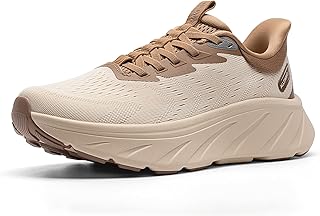
An unusually breathable mesh upper paired with a genuine contoured insole makes these the coolest-running pick here — ideal if warm floors or afternoon foot sweat is part of your problem. The non-slip rubber outsole also grips hard flooring and low-pile rugs confidently, which matters when you’re pivoting at a desk all day.
STQ Slip-On Sneakers
These sock-style sneakers offer the most forgiving fit of the group, making them a strong choice for wider feet or anyone who swells noticeably by late afternoon. The arch and cushion pairing is well judged for daily wear, though the flexible upper offers less lateral structure than the Skechers.
STQ Slip-On Loafers
If your workspace is also a client-facing space, these give you a loafer silhouette with an arch-supported, all-day interior. Teachers and hybrid workers gravitate to them for good reason: they look intentional and still survive a full standing day.
Frequently Asked Questions
Can standing desk shoes really affect sleep quality?
Indirectly, yes. Unsupported standing produces muscular tension and lower-limb inflammation that many people experience at night as restless legs, calf cramping, or difficulty settling. Reducing that daytime load often improves how quickly the body relaxes into sleep.
Should I just go barefoot at my standing desk?
In short intervals on a soft surface, barefoot standing is genuinely beneficial for foot strength. On a hard floor for hours, it isn’t — the heel has no shock absorption and the arch fatigues quickly.
Do I still need an anti-fatigue mat or footrest?
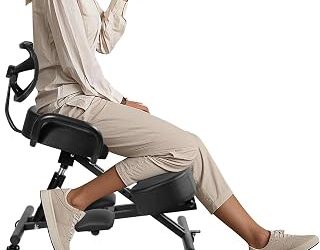
They solve different problems. A footrest like the Everlasting Comfort under-desk model lets you shift and elevate your legs, encouraging circulation in a way that no shoe can replicate.
How often should I replace them?
Standing compresses cushioning faster than most people expect. If you stand six or more hours daily, plan on eight to twelve months, and replace sooner if the ache returns midday.
Final Thoughts
For most people standing all day, the Skechers Uno – Stand On Air is the most reliable choice thanks to its heel cushioning and slight wedge lift. The ALLSWIFIT slip-on is the better pick if hands-free convenience keeps you moving, and pairing either with the Everlasting Comfort footrest gives your legs somewhere to unload — the combination your body will thank you for at 10 p.m., not just at 5 p.m.