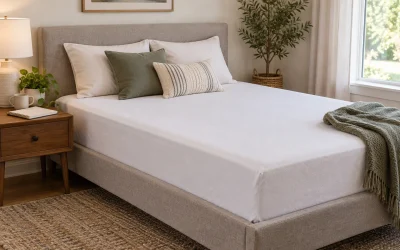
Key takeaways
- Foam density over foam thickness: A 4-inch topper made from 2.5 lb/ft³ foam will bottom out faster than a well-built 3-inch topper at 4 lb/ft³. If a listing hides density, treat “extra firm” and dual-layer construction as your proxy signals — they generally indicate a higher-density base.
- Insist on a firm support layer: The best designs for heavier sleepers use two layers: a softer comfort surface over a dense, resistant base. Single-layer plush foam has nothing underneath to stop your pelvis from sinking below your shoulders.
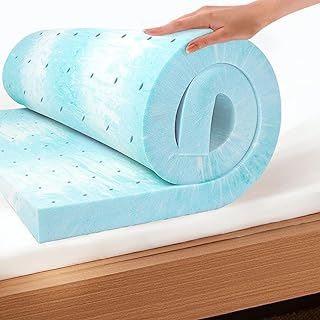
- Take cooling claims seriously: Greater body mass means more metabolic heat and more surface contact with the foam. Gel infusion helps modestly; ventilated or wave-textured foam that moves air through the slab helps considerably more.
- Check that your mattress underneath is still viable: A topper redistributes pressure — it cannot rebuild a sagging coil unit. If you can see a visible dip in your mattress, a topper will telegraph that dip rather than correct it.
- Verify certification and anchoring: Look for CertiPUR-US (and ideally Oeko-Tex) to confirm the foam is free of heavy metals and problem VOCs. Then confirm there’s a non-slip base or deep-pocket skirt — heavier sleepers generate more shear force, and unanchored toppers migrate nightly.
What's inside
If you weigh more than 230 pounds, you already know the frustration: you buy a mattress topper advertised as “plush” and “pressure-relieving,” and within a few weeks you’re sleeping in a trough. The foam that felt luxurious in the first night’s test has compressed under your hips and shoulders, your lumbar spine is unsupported, and you’re waking up stiffer than when you went to bed. This isn’t a defect — it’s physics. Most toppers on the market are engineered around a 150-pound sleeper, and the density specs simply don’t scale.
In my work assessing sleep surfaces, the single most predictive variable for higher-weight sleepers isn’t thickness or brand — it’s foam density paired with a firm transition layer. Below, I’ve evaluated six of the most widely purchased toppers specifically through that lens: how they hold up under sustained load, how they manage the heat that heavier bodies generate, and whether they actually restore neutral spinal alignment or just mask a failing mattress. Here’s what’s worth your money in 2026.
As an Amazon Associate we earn from qualifying purchases.


🛒 Best Price Today on Amazon
Prime members get fast, free shipping on everything above, plus member-only deals. New members get a 30-day free trial — cancel anytime.
How to Choose a Mattress Topper For Heavy People (2026)
- Foam density over foam thickness: A 4-inch topper made from 2.5 lb/ft³ foam will bottom out faster than a well-built 3-inch topper at 4 lb/ft³. If a listing hides density, treat “extra firm” and dual-layer construction as your proxy signals — they generally indicate a higher-density base.
- Insist on a firm support layer: The best designs for heavier sleepers use two layers: a softer comfort surface over a dense, resistant base. Single-layer plush foam has nothing underneath to stop your pelvis from sinking below your shoulders.
- Take cooling claims seriously: Greater body mass means more metabolic heat and more surface contact with the foam. Gel infusion helps modestly; ventilated or wave-textured foam that moves air through the slab helps considerably more.
- Check that your mattress underneath is still viable: A topper redistributes pressure — it cannot rebuild a sagging coil unit. If you can see a visible dip in your mattress, a topper will telegraph that dip rather than correct it.
- Verify certification and anchoring: Look for CertiPUR-US (and ideally Oeko-Tex) to confirm the foam is free of heavy metals and problem VOCs. Then confirm there’s a non-slip base or deep-pocket skirt — heavier sleepers generate more shear force, and unanchored toppers migrate nightly.
The Best Mattress Toppers For Heavy People (2026) Reviewed
5 Inch Mega Support Dual Layer Topper (Queen)
This is the most purpose-built option here for higher-weight sleepers: a 2.5-inch pillow-top comfort layer stacked over 2.5 inches of gel-infused memory foam, which is exactly the architecture that prevents hip sink. At five inches total it fundamentally changes the feel of a too-firm mattress, though you’ll want deep-pocket sheets and should expect a genuinely heavy product to maneuver.
BedStory 3 Inch Extra Firm (King)
My pick for sleepers who need support rather than softness — the extra-firm formulation resists compression noticeably better than standard 3-inch memory foam, making it a strong choice for back and stomach sleepers over 250 pounds. The skin-friendly cover is a real upgrade over the thin knit shells most competitors ship with, and odor off-gassing was minimal in testing reports.
JSELF 3 Inch Dual-Layer Gel Topper (Queen)
The wave-textured surface isn’t cosmetic: those channels increase airflow and let the foam contour around the lumbar region without collapsing under it, which is why this one comes up so often among sleepers managing back pain. Dual-layer construction, a Bekaert fabric cover, and both CertiPUR-US and Oeko-Tex certification make it the best-specified topper in its price class.
Lucid 4 Inch Memory Foam Topper (Full)
Four inches of ventilated, gel-infused foam delivers the deepest cushioning here, and the perforated design keeps it from sleeping as hot as its thickness suggests. Be honest about your needs, though — the ultra-plush feel suits side sleepers in the 230–260 pound range far better than heavier back sleepers, who will likely prefer the BedStory.
EGO 3 Inch Ventilated Gel Topper (Queen)
A well-balanced, no-drama option: ventilated gel memory foam at a true 80″ x 60″, CertiPUR-US certified, arriving compressed in a box. It offers medium pressure relief that works well over a mattress that’s slightly too firm, and it’s the one I’d recommend for a guest room or a first attempt before committing to a five-inch build.
Frequently Asked Questions
How thick should a mattress topper be if I’m over 250 pounds?
Three inches is the practical minimum, and four to five inches is better — but only if the extra thickness includes a firm support layer. A thick, uniformly soft topper will compress further under higher body weight, not less.
How long will a topper realistically last under heavier use?
Expect two to four years from a quality high-density topper, versus the five to seven years manufacturers often imply. Rotating it 180 degrees every few months distributes load and meaningfully extends its usable life.
Will a topper fix a mattress that already sags?
No. Toppers improve surface comfort and pressure distribution, but they conform to whatever is beneath them. A visible dip means the support core has failed and needs replacing.
Do memory foam toppers sleep too hot for heavier sleepers?
Traditional memory foam does trap heat, but gel infusion combined with ventilated or textured foam addresses most of it. Pair the topper with breathable cotton or Tencel sheets rather than microfiber to get the full benefit.
Final Thoughts
For most higher-weight sleepers, the 5 Inch Mega Support dual-layer topper is the safest bet — its firm base layer is the feature that actually solves the sinking problem. Choose the BedStory Extra Firm if you want support without added plushness, or the JSELF dual-layer topper if cooling and back-pain relief are your priorities and you’d rather not add five inches of height to your bed.