Key takeaways
- Measure the diagonal, not just the walls: Corner desks eat depth at the apex. Chalk out the footprint on the floor with painter’s tape and confirm you still have a clear walking path to the bed and closet — cramped circulation is a stress cue your nervous system registers nightly.
- Prioritize closed or contained storage: File drawers and cubbies let you hide work at day’s end. Visible clutter in a bedroom correlates with longer time to fall asleep, so a desk that can be tidied in thirty seconds is worth paying for.
- Scrutinize the lighting: RGB strips and glossy surfaces bounce blue-heavy light around a small room. If you want LEDs, insist on warm, dimmable modes with a real off switch — and never leave them running past your wind-down window.
- Get the outlets built in: Integrated charging stations and USB ports reduce the tangle of extension cords running toward your nightstand, which is both a trip hazard and a temptation to keep the phone in bed.
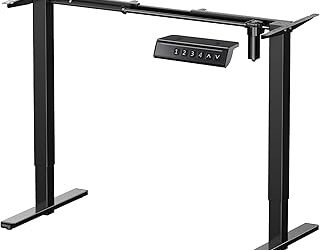
- Consider height adjustability if you sit all day: Standing intervals improve daytime alertness, which in turn strengthens your sleep drive at night. Electric sit-stand frames cost more and weigh more, but they’re the single best upgrade for anyone logging eight-hour shifts at home.
What's inside
As a sleep-wellness consultant, I spend a surprising amount of my time talking about desks. That’s because in apartments and small homes, the workstation often ends up three feet from the pillow — and the brain notices. When your bedroom doubles as your office, unfinished spreadsheets become part of the visual landscape you fall asleep to, and the room stops signaling “rest.” A corner desk is one of the few furniture choices that can genuinely help here: by tucking work into an angle of the room, you reclaim floor space, create a psychological boundary, and keep the sleep zone visually quiet.
This guide looks at corner desks specifically through the lens of small-space living and healthy sleep habits — footprint, cable containment, glare and LED behavior, and whether a desk can be “closed down” at the end of the day. Below you’ll find my selection criteria, honest notes on five models worth considering in 2026, and answers to the questions readers ask me most about working where they sleep.
As an Amazon Associate we earn from qualifying purchases.


How to Choose a/an Corner Desk For Small Spaces (2026)
- Measure the diagonal, not just the walls: Corner desks eat depth at the apex. Chalk out the footprint on the floor with painter’s tape and confirm you still have a clear walking path to the bed and closet — cramped circulation is a stress cue your nervous system registers nightly.
- Prioritize closed or contained storage: File drawers and cubbies let you hide work at day’s end. Visible clutter in a bedroom correlates with longer time to fall asleep, so a desk that can be tidied in thirty seconds is worth paying for.
- Scrutinize the lighting: RGB strips and glossy surfaces bounce blue-heavy light around a small room. If you want LEDs, insist on warm, dimmable modes with a real off switch — and never leave them running past your wind-down window.
- Get the outlets built in: Integrated charging stations and USB ports reduce the tangle of extension cords running toward your nightstand, which is both a trip hazard and a temptation to keep the phone in bed.
- Consider height adjustability if you sit all day: Standing intervals improve daytime alertness, which in turn strengthens your sleep drive at night. Electric sit-stand frames cost more and weigh more, but they’re the single best upgrade for anyone logging eight-hour shifts at home.
The Best Corner Desk For Small Spaces (2026)s Reviewed
57″ L-Shaped Corner Desk with File Drawers (Black)
This is the pick for anyone who needs genuine paperwork capacity without a separate filing cabinet — the drawers swallow enough to keep the surface bare by 7 p.m. At 57 inches it’s the largest of my recommendations, so reserve it for a room where the corner is truly dead space rather than a walkway.
32″ Farmhouse Corner Desk with Power Outlets (Grey)
The triangular footprint here is the most space-efficient shape on this list, making it a strong fit for studio apartments and bedroom nooks under 100 square feet. Built-in outlets keep charging cables off the floor, and the muted grey finish reads as furniture rather than office equipment — which matters more than people expect in a sleep space.
Kingant L-Shaped Standing Desk (63 x 55″)
My recommendation for full-time remote workers: the electric lift lets you alternate posture through the day, which supports the daytime activity levels that underpin solid nighttime sleep. It’s large and heavy, so treat it as a dedicated home-office purchase rather than a bedroom addition.
42″ Reversible L-Shaped Gaming Desk (Carbon Fiber Black)
Compact, reversible for either wall orientation, and thoughtfully equipped with a monitor riser, cup holder, and headset hook that keep the surface uncluttered. The LED lighting is the one caveat — switch it off at least an hour before bed if this desk lives near your mattress.
SEDETA Farmhouse Corner Desk (White)
The most visually recessive option of the group: a bright white finish and slim profile that let a small room feel larger and calmer. Storage is modest, so pair it with a closed basket or drawer unit if you handle physical documents.
Frequently Asked Questions
Is it a bad idea to put a desk in the bedroom?
It isn’t ideal, but for many people it’s unavoidable. The goal is separation by cue rather than by wall: face the desk away from the bed, use a dedicated task lamp instead of the overhead light, and clear the surface at the end of the workday so the room reverts to rest mode.
How much room does a corner desk actually save?
Compared with a rectangular desk of similar usable surface, a corner unit typically frees up several feet of wall — space that can hold a dresser or simply stay open. Open floor area is genuinely valuable in a bedroom, where visual breathing room aids relaxation.
Do LED desk lights interfere with sleep?
Bright, cool-toned light in the evening suppresses melatonin and delays sleep onset. Warm, dimmed light used earlier in the evening is far less disruptive, so choose a desk whose lighting you can fully control — and turn it off during wind-down.
Standing desk or fixed height for a small room?
If you work long hours, a sit-stand model is the better health investment. If the desk is for occasional use and the room is genuinely tight, a fixed-height desk with good storage will serve you better.
Final Thoughts
For most small-space buyers, the 32″ Farmhouse Corner Desk offers the best balance of tiny footprint and built-in power, while the SEDETA Farmhouse Corner Desk is the choice when you want the workstation to visually disappear. If you’re working full days from home and have the floor space, the Kingant L-Shaped Standing Desk is the model that will do the most for both your posture and your sleep.