Key takeaways
- Memory foam responds to heat and pressure, molding closely around the shoulder. Best for genuine pressure-point pain and for firm mattresses that need real correction. Slower to move on, so combination sleepers may notice resistance when turning.
- Gel-infused foam keeps that contouring behavior while pulling heat away from the contact surface — the approach taken by both the PERLECARE and VALUXE toppers.
- Pillow-top and fiber-fill pads add loft and a cloud-like softness without deep contouring. Ideal when your mattress is already reasonably supportive and just feels harsh at the surface.
What's inside
Side sleeping is the most common sleep position in the world, and for good reason: it keeps the airway open, eases reflux, and suits most bodies well. But it also concentrates your entire body weight onto two narrow contact zones — the shoulder and the hip. When the surface beneath you refuses to yield at those points, the spine bends into a subtle S-curve for six or seven hours straight. That’s the mechanism behind the morning shoulder ache, the numb arm, the hip that protests on the first few steps out of bed. Replacing an entire mattress is one solution. Adding two to four inches of correctly chosen material on top of the one you already own is usually the smarter, cheaper first move.
This guide walks through what actually determines whether a topper works for a side sleeper — contact depth, density, cooling behavior, and edge stability — and how to match those variables to your body weight and your existing mattress. You’ll also learn how to diagnose whether your current setup is genuinely too firm or simply worn out, how long a break-in period should take, and which small maintenance habits keep a topper performing for years rather than months. Our current recommended picks appear below, followed by the reasoning you’ll need to choose confidently on your own.
As an Amazon Associate we earn from qualifying purchases.



🛒 Best Price Today on Amazon
Prime members get fast, free shipping on everything above, plus member-only deals. New members get a 30-day free trial — cancel anytime.
Understand What Your Shoulder and Hip Actually Need
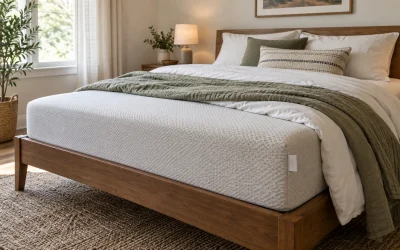
Side sleepers need a surface that lets the shoulder and hip sink while continuing to support the waist and lower back. This is a two-job problem, and thin toppers can only do one of them. A one-inch pad compresses fully under the hip and then transmits the mattress’s firmness straight through — you’ve added softness without adding depth. Three inches is the sweet spot for most side sleepers, giving the joints room to descend while the remaining foam still pushes back against the lumbar gap. Dedicated three-inch options like the ViscoSoft Select High Density and the PERLECARE gel memory foam topper are built specifically around this geometry.
Match Density and Feel to Your Body Weight
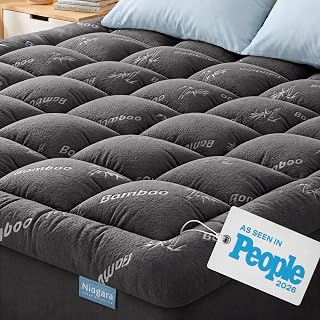
Density determines how a topper behaves over time, and it’s more important than thickness alone. Lighter sleepers under roughly 130 pounds often don’t generate enough pressure to compress a high-density foam, and end up sleeping on top of it rather than in it — a plush fiber-fill design such as the BEDLORE viscose bamboo pillow top or the Niagara Sleep Solution topper tends to serve them better. Sleepers above 200 pounds face the opposite problem: soft materials bottom out at the hip. High-density foam, like that used in the ViscoSoft and VALUXE toppers, resists that collapse and holds its shape through years of nightly loading.
Decide Between Foam Contouring and Pillow-Top Cushioning
- Memory foam responds to heat and pressure, molding closely around the shoulder. Best for genuine pressure-point pain and for firm mattresses that need real correction. Slower to move on, so combination sleepers may notice resistance when turning.
- Gel-infused foam keeps that contouring behavior while pulling heat away from the contact surface — the approach taken by both the PERLECARE and VALUXE toppers.
- Pillow-top and fiber-fill pads add loft and a cloud-like softness without deep contouring. Ideal when your mattress is already reasonably supportive and just feels harsh at the surface.
Take Heat Retention Seriously
Side sleeping creates a large, enclosed contact patch, and foam that traps heat there will wake you before your alarm does. Look for ventilated foam cores, gel infusion, or covers made from rayon derived from bamboo — a fiber that moves moisture off the skin efficiently and feels cool on first contact. Both the Niagara Sleep Solution and BEDLORE toppers use this material in their covers, and VALUXE pairs a bamboo-fiber cover with a gel foam core. If you routinely wake damp, prioritize this factor over almost everything else.
Check Fit, Depth, and Anchoring Before You Buy
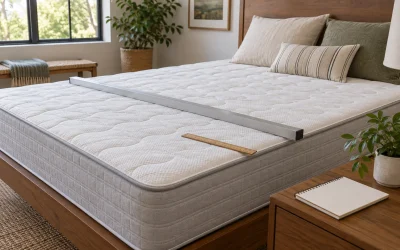
A topper that shifts overnight will undo its own benefits. Measure your mattress height including any existing pad, then confirm the topper’s pocket range covers it — the BEDLORE fits mattresses from six to eighteen inches, while the Niagara reaches a twenty-inch depth for pillow-top beds. Foam toppers typically use non-slip backing or a fitted, washable cover instead of skirts; the PERLECARE combines both. Also verify certification: an Oeko-Tex mark, which PERLECARE carries, confirms testing for harmful substances in a product your face rests against nightly.
Tips
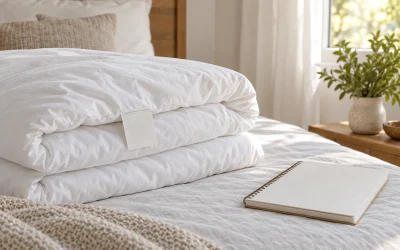
- Unbox foam toppers 48 to 72 hours before first use in a ventilated room so they fully expand and off-gas.
- Give any new surface two full weeks before judging it — your body recalibrates to changed spinal alignment, and early stiffness is often adaptation, not mismatch.
- Pair a new topper with a lower-profile pillow. Extra sink at the shoulder means your head needs less lift to stay neutral.
- Rotate the topper end-to-end every three months to distribute compression across the hip and shoulder zones.
Frequently Asked Questions
Can a topper fix a mattress that’s too firm for side sleeping?
Yes, provided the mattress is structurally sound. A three-inch foam topper can meaningfully soften a firm surface. What it cannot do is repair sagging — if there’s a visible dip, the topper will simply follow it.
How do I know whether I need three inches or two?
Broader shoulders, wider hips, or higher body weight all argue for three inches. If you’re slim-framed and your mattress is only mildly too firm, two inches often suffices and keeps the bed easier to move on.
Will a memory foam topper make me hot?
Traditional dense foam can. Gel-infused and ventilated designs paired with a breathable cover substantially reduce that risk, and pillow-top pads sleep cooler still.
How often should a topper be replaced?
Quality high-density foam lasts three to five years. Fiber-fill pillow tops compress sooner, typically two to three. Replace when the material no longer rebounds after you get up.
Conclusion
The right topper for a side sleeper is the one that lets your shoulder and hip descend while quietly holding your waist in line — which means depth, density, and cooling all matter more than plushness alone. Match the material to your body weight, confirm the fit against your mattress depth, and give the new surface a couple of weeks to prove itself. Done thoughtfully, it’s the least expensive path to waking up without pain.