Key takeaways
- Height range that actually reaches your desk: Measure from floor to desktop, then subtract roughly 10–12 inches for your seat height. A 21–31 inch stool suits desks under 42 inches; taller setups need something reaching 33 inches or more, or you’ll perch with hunched shoulders all afternoon.
- Movement type — wobble, tilt, or lean: Wobble stools rock in every direction and recruit your core continuously, which is ideal if you want that pleasant physical tiredness by evening. Leaning stools with a fixed forward pitch are gentler and better if you’re returning from injury or already sleep poorly due to pain.
- Seat firmness over seat plushness: A deeply cushioned seat encourages sinking and slumping. Look for medium-density foam with a slightly domed surface, which keeps your pelvis neutral and prevents the pressure points that leave hips and glutes complaining once you lie down.
- A stable, non-marking base: Anti-slip rubber bases give you controlled instability; cheap plastic feet give you genuine instability. If you work on hard flooring, prioritise a weighted, non-slip base — subconscious bracing against a skittish stool creates neck tension that follows you to bed.
- Footrest and swivel for long sessions: A footrest ring lets you offload your legs during focused stretches, while a 360° swivel prevents the spinal twisting that comes from reaching sideways. Both matter more the longer your workday runs.
What's inside
As someone who spends most of my working life talking to people about their sleep, I’ve learned that the eight hours before bed matter as much as the eight hours in it. One of the most overlooked culprits behind restless nights isn’t caffeine or screens — it’s a body that never really moved during the day. Standing desks were supposed to fix that, but most people discover the same thing within a fortnight: standing rigidly for six hours creates its own fatigue, the kind that leaves your lower back aching at 11pm and your legs twitching under the duvet. Collapsing back into a conventional office chair undoes the whole experiment.
The fix is subtler than choosing between sitting and standing. A well-designed standing desk stool keeps your hips open and your spine tall while allowing small, near-constant micro-movements — the sort of low-grade physical activity that accumulates into genuine sleep pressure by evening. This guide covers the stools worth your money in 2026, what separates a properly engineered perch from a bar stool with marketing copy, and how to match seat height and tilt to your own desk setup so your body winds down when you do.
As an Amazon Associate we earn from qualifying purchases.


How to Choose a/an Stool For Standing Desk (2026)
- Height range that actually reaches your desk: Measure from floor to desktop, then subtract roughly 10–12 inches for your seat height. A 21–31 inch stool suits desks under 42 inches; taller setups need something reaching 33 inches or more, or you’ll perch with hunched shoulders all afternoon.
- Movement type — wobble, tilt, or lean: Wobble stools rock in every direction and recruit your core continuously, which is ideal if you want that pleasant physical tiredness by evening. Leaning stools with a fixed forward pitch are gentler and better if you’re returning from injury or already sleep poorly due to pain.
- Seat firmness over seat plushness: A deeply cushioned seat encourages sinking and slumping. Look for medium-density foam with a slightly domed surface, which keeps your pelvis neutral and prevents the pressure points that leave hips and glutes complaining once you lie down.
- A stable, non-marking base: Anti-slip rubber bases give you controlled instability; cheap plastic feet give you genuine instability. If you work on hard flooring, prioritise a weighted, non-slip base — subconscious bracing against a skittish stool creates neck tension that follows you to bed.
- Footrest and swivel for long sessions: A footrest ring lets you offload your legs during focused stretches, while a 360° swivel prevents the spinal twisting that comes from reaching sideways. Both matter more the longer your workday runs.
The Best Stool For Standing Desk (2026)s Reviewed
Height Adjustable Wobble Stool (21–31 inch)
The rocking motion here is well-judged — noticeable enough to keep your core engaged but never so lively that you’re fighting it during detailed work. The 21–31 inch range and anti-slip bottom make it a sensible default for standard and mid-height desks, and it’s the one I’d suggest to anyone whose evening stiffness is disrupting sleep onset.
IWMH Sit-Stand Stool with Footrest
The addition of a footrest ring makes this the most forgiving option for people who genuinely sit for long stretches rather than perching in bursts. The 360° swivel is smooth and the height mechanism holds firm, which matters if you share a desk and adjust it daily.
SONGMICS Ergonomic Wobble Stool (23.6–33.3 in)
My pick for taller users and taller desks — that 33.3 inch ceiling is genuinely uncommon in a true wobble design. The active-sitting tilt is progressive rather than abrupt, encouraging the steady postural adjustments that build up into real physical fatigue by nightfall.
IWMH Round Seat Wobble Stool
The backless round seat removes any temptation to slouch backwards, keeping your lumbar curve doing its own work. It’s compact enough to live in a bedroom or kitchen corner without dominating the room, which helps if your workspace doubles as a space you relax in.
Drafting Chair with Footrest Ring
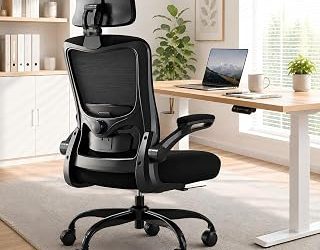
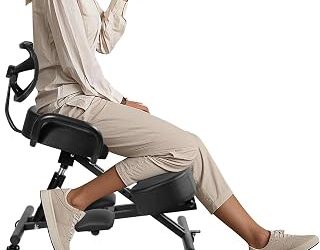
The outlier here, and a valuable one: lumbar support, flip-up armrests and an adjustable footrest ring make this the right call if you have an existing back condition and need supported height rather than active instability. Sleep improves when pain drops, and for some people that means support, not wobble.
Frequently Asked Questions
Can a standing desk stool really improve my sleep?
Indirectly, yes. Low-intensity movement spread across the day contributes to homeostatic sleep drive and reduces the musculoskeletal discomfort that commonly delays sleep onset. It’s a supporting player, not a cure for insomnia.
How long should I sit on a wobble stool each day?
Start with 20–30 minute stretches and build up over a fortnight. Your stabilising muscles need conditioning, and overdoing it early tends to produce next-day soreness rather than useful adaptation.
Should I stop using my stool in the evening?
If you work late, switch to a supported chair for the final hour. Active sitting raises alertness slightly, which isn’t what you want in the wind-down window before bed.
Is a wobble stool suitable if I have lower back pain?
Speak to a physiotherapist first. Many people find gentle movement helpful, but if pain is currently disrupting your sleep, a drafting chair with lumbar support and a footrest is usually the safer starting point.
Final Thoughts
For most people, the 21–31 inch adjustable wobble stool strikes the best balance of movement, stability and price, while the SONGMICS ACTIVO stool is the one to choose if your desk or your frame runs tall. If existing back pain is what’s keeping you awake, skip the wobble entirely and start with the drafting chair with its lumbar support and footrest ring — comfort during the day is what buys you stillness at night.