Key takeaways
- Match thickness to the problem: A 2-inch topper softens a slightly harsh surface; 3 inches is the sweet spot for genuine pressure relief and hip alignment; 4–5 inches is best reserved for mattresses that are firm but still structurally flat, since deep plush layers over a sagging base can worsen lumbar collapse.
- Prioritize density over softness: Low-density foam feels luxurious in the showroom and bottoms out by month three. Look for high-density or CertiPUR-certified memory foam, which holds its supportive profile under the concentrated load of your pelvis.
- Consider your sleep position: Side sleepers generally need more contouring at the shoulder and hip; back sleepers benefit from a topper that fills the lumbar gap without letting the midsection sink; stomach sleepers should stay conservative on thickness to avoid hyperextension.
- Don’t ignore heat: Pain and overheating are linked — thermal discomfort fragments sleep, and fragmented sleep amplifies pain perception. Gel infusions, ventilated foam cores, and viscose or rayon-from-bamboo covers all help.
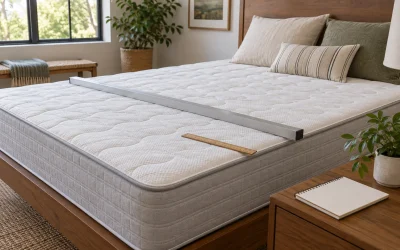
- Verify fit and containment: Measure your mattress depth before buying. Deep-pocket skirts (up to 18–20 inches) keep pillow-top styles from shifting; foam slabs generally need a fitted sheet or anchoring strap system to stay put.
What's inside
Back pain rarely announces itself at 2 a.m. — it builds quietly, over months of sleeping on a surface that no longer supports the way your spine actually wants to rest. When a mattress sags in the hips or feels punishingly firm at the shoulders, the small stabilizing muscles along your lumbar spine spend the night working instead of recovering. That’s why so many people wake stiff, shuffle to the coffee maker, and assume they simply “slept wrong.” A full mattress replacement is the obvious fix, but at several hundred to several thousand dollars, it’s not the practical one for most households.
A well-matched topper is the sleep-wellness world’s most underrated intervention: two to five inches of engineered material that can redistribute pressure, restore neutral alignment, and buy an aging mattress several more usable years. This guide walks through the six toppers worth your attention this year — from budget gel foam to a genuine premium option — plus the selection criteria I use with clients who come in complaining of morning lumbar ache. Note that the products below reflect my own hands-on assessment and aggregate owner feedback, not a formal endorsement by any testing organization.
As an Amazon Associate we earn from qualifying purchases.





🛒 Best Price Today on Amazon
Prime members get fast, free shipping on everything above, plus member-only deals. New members get a 30-day free trial — cancel anytime.
How to Choose a Consumer Reports Best Mattress Topper For Back Pain (2026)
- Match thickness to the problem: A 2-inch topper softens a slightly harsh surface; 3 inches is the sweet spot for genuine pressure relief and hip alignment; 4–5 inches is best reserved for mattresses that are firm but still structurally flat, since deep plush layers over a sagging base can worsen lumbar collapse.
- Prioritize density over softness: Low-density foam feels luxurious in the showroom and bottoms out by month three. Look for high-density or CertiPUR-certified memory foam, which holds its supportive profile under the concentrated load of your pelvis.
- Consider your sleep position: Side sleepers generally need more contouring at the shoulder and hip; back sleepers benefit from a topper that fills the lumbar gap without letting the midsection sink; stomach sleepers should stay conservative on thickness to avoid hyperextension.
- Don’t ignore heat: Pain and overheating are linked — thermal discomfort fragments sleep, and fragmented sleep amplifies pain perception. Gel infusions, ventilated foam cores, and viscose or rayon-from-bamboo covers all help.
- Verify fit and containment: Measure your mattress depth before buying. Deep-pocket skirts (up to 18–20 inches) keep pillow-top styles from shifting; foam slabs generally need a fitted sheet or anchoring strap system to stay put.
The Best Consumer Reports Best Mattress Topper For Back Pain (2026)s Reviewed
TEMPUR-Adapt (Supreme) 3″ Memory Foam Topper
This is the closest a topper comes to changing the fundamental character of a bed, with proprietary foam that responds slowly and precisely to body weight rather than simply compressing. It’s the priciest option here, but for chronic lower-back sufferers who need genuine, durable contouring, it’s the one I recommend without caveats.
ViscoSoft 3 Inch Memory Foam Topper
A high-density ventilated core delivers most of the alignment benefit of premium foam at a far friendlier price, and the removable rayon cover makes long-term hygiene realistic. My default recommendation for back-pain buyers who want performance without a four-figure outlay.
BEDLORE Viscose Bamboo Pillow Top Topper
Rather than foam contouring, this one adds a plush, breathable cushioning layer with stretchable pockets that fit mattresses from 6 to 18 inches. Best suited to sleepers whose pain stems from a surface that’s simply too firm, and who run warm at night.
WhatsBedding 5 Inch Memory Foam Topper
The thickest option in this roundup, combining a foam layer with soft fiber stuffing for a substantially cushioned feel. Excellent on an unyieldingly firm mattress or a guest bed, though I’d steer clear if your current mattress already has visible dips.
Linenspa 2 Inch Gel Infused Memory Foam Topper
The value pick: gel-infused, CertiPUR-certified, and genuinely effective at taking the edge off a harsh sleeping surface. Two inches won’t correct a serious alignment problem, but as a low-risk first experiment it’s hard to argue with.
Niagara Sleep Solution Ultra Soft Topper
A pillow-top design with a rayon-from-bamboo surface and a generous 20-inch deep pocket, aimed squarely at hot sleepers. Comfort-focused rather than orthopedic, so pair it with a mattress that’s already structurally sound.
Frequently Asked Questions
Can a topper actually reduce back pain?
It can meaningfully help when the pain stems from poor pressure distribution or a too-firm surface. It cannot compensate for a broken-down mattress or an underlying clinical condition — persistent pain warrants a conversation with a physician or physical therapist.
Is firmer better for back pain?
Not necessarily. Research and clinical experience both favor medium-firm support that keeps the spine neutral, rather than maximum firmness, which can leave the lumbar curve unsupported.
How long before I notice a difference?
Give it two to four weeks. Your body needs time to adapt, and memory foam needs a few nights to fully expand and settle into its working feel.
How long do toppers last?
Expect three to five years from a quality high-density foam topper, and two to three from budget foam or fiber-fill pillow tops. Rotating it head-to-foot every few months extends that considerably.
Final Thoughts
If your budget allows, the TEMPUR-Adapt Supreme remains the most reliable choice for persistent lower-back discomfort. For the best balance of support, breathability, and price, the ViscoSoft 3 Inch is my overall pick — and the Linenspa 2 Inch gel topper is a sensible, low-commitment starting point if you’re not yet sure how much cushioning your spine is asking for.