Key takeaways
- Loft depth: Side sleepers generally need more give than back or stomach sleepers. Aim for at least 3 inches if your mattress is firm or slightly worn; 5 inches if your shoulder currently feels compressed or numb by morning.
- Contour versus cushion: Memory foam responds to body heat and cradles the hip and shoulder, which is what corrects lumbar rotation. Overfilled fiber or down-alternative pillow tops cushion the surface but rebound faster — better if you shift positions often or dislike a sunk-in feel.
- Heat management: Deep contouring traps warmth. Look for gel-infused foam, or a viscose-from-bamboo or cotton cover, which moves moisture off the skin far more effectively than polyester microfiber.
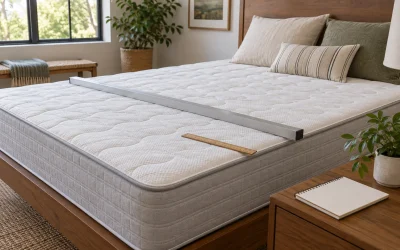
- Anchoring system: A topper that migrates overnight loses its alignment benefit entirely. Deep-pocket elasticized skirts (18″–20″) suit pillow tops; thicker foam slabs need four-way straps to stay put.
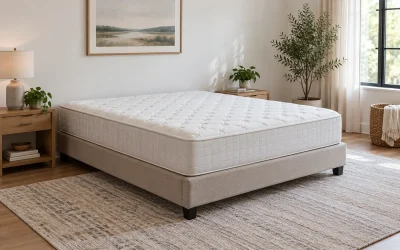
- Support underneath: A topper corrects a mattress that is too firm, not one that already sags. If you can see a visible dip in your mattress, fill it or replace it first — otherwise the topper will simply mirror the depression.
What's inside
Side sleeping concentrates nearly your whole body weight onto two narrow zones — the shoulder and the hip. When the surface beneath you refuses to yield at those points, your pelvis tips, your lumbar spine twists to compensate, and you wake up with that deep, dull ache across the lower back that coffee can’t fix. It’s one of the most common complaints I hear from clients, and it’s rarely the mattress alone that’s at fault. It’s the absence of contour: a sleep surface that supports the waist while allowing the hip and shoulder to sink into neutral alignment.
Replacing a mattress is expensive and often unnecessary. A well-chosen topper can add the two to five inches of pressure redistribution a side sleeper needs, correcting spinal alignment without softening the foundation underneath. This guide breaks down what actually matters when shopping — loft, fill density, cooling behavior, and edge stability — then reviews the strongest options available in 2026 for side sleepers dealing with back pain, from breathable bamboo-viscose pillow tops to substantial five-inch gel memory foam builds.
As an Amazon Associate we earn from qualifying purchases.


🛒 Best Price Today on Amazon
Prime members get fast, free shipping on everything above, plus member-only deals. New members get a 30-day free trial — cancel anytime.
How to Choose a/an Mattress Topper For Back Pain Side Sleepers (2026)
- Loft depth: Side sleepers generally need more give than back or stomach sleepers. Aim for at least 3 inches if your mattress is firm or slightly worn; 5 inches if your shoulder currently feels compressed or numb by morning.
- Contour versus cushion: Memory foam responds to body heat and cradles the hip and shoulder, which is what corrects lumbar rotation. Overfilled fiber or down-alternative pillow tops cushion the surface but rebound faster — better if you shift positions often or dislike a sunk-in feel.
- Heat management: Deep contouring traps warmth. Look for gel-infused foam, or a viscose-from-bamboo or cotton cover, which moves moisture off the skin far more effectively than polyester microfiber.
- Anchoring system: A topper that migrates overnight loses its alignment benefit entirely. Deep-pocket elasticized skirts (18″–20″) suit pillow tops; thicker foam slabs need four-way straps to stay put.
- Support underneath: A topper corrects a mattress that is too firm, not one that already sags. If you can see a visible dip in your mattress, fill it or replace it first — otherwise the topper will simply mirror the depression.
The Best Mattress Topper For Back Pain Side Sleepers (2026)s Reviewed
Niagara Sleep Solution Ultra Soft & Cooling Topper
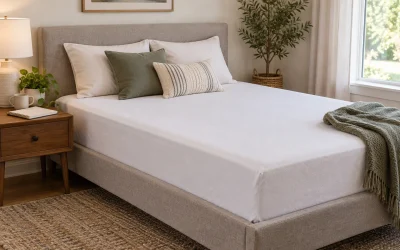
The rayon-derived-from-bamboo surface here is genuinely effective at wicking heat away from the shoulder and hip contact zones, which is where side sleepers tend to overheat first. With a 20-inch deep pocket it stays anchored on tall mattresses, making it my go-to recommendation for warm sleepers who need surface softening rather than dramatic contour.
BEDLORE Viscose Bamboo Pillow Top
The stretchable pockets fit anything from 6 to 18 inches, so this suits guest beds, adjustable bases, and thinner mattresses that many toppers simply won’t grip. Its thick pillow-top loft eases shoulder pressure well, and the breathable viscose face keeps the sleep surface temperature-neutral through the night.
Cotton Extra Thick Pillow Top Mattress Pad
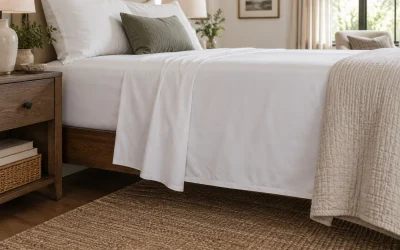
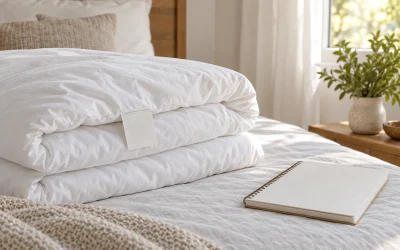
A 100% cotton top is the most breathable option in this roundup and the best pick for anyone with sensitive skin or a history of night sweats. It delivers plush cushioning across the hip line while doubling as a washable protector — practical, if slightly less contouring than foam.
ELEMUSE Extra Thick Mattress Pad Cover
The overfilled down-alternative fill creates a buoyant, cloud-like surface that cushions without the slow-sink sensation some sleepers dislike about memory foam. The elastic deep pocket holds firmly, and it’s a strong choice for side sleepers whose mattress is only marginally too firm.
SHOUREN 5 Inch Gel Memory Foam Topper
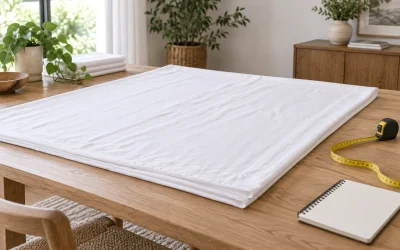
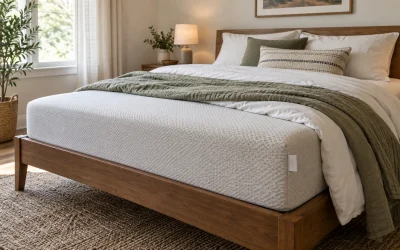
This is the most therapeutic option here: five inches of gel-infused memory foam allows true shoulder and hip immersion, letting the lumbar spine settle into a straight line. The four-way straps prevent shifting, and the gel infusion offsets most of the heat retention you’d expect from foam this thick.
Frequently Asked Questions
How thick should a topper be for a side sleeper with back pain?
Three inches is the practical minimum; five inches is often better. Side sleepers need enough material for the shoulder and hip to descend into the surface while the waist stays supported — thinner toppers compress fully and transmit the firmness beneath.
Is memory foam or a pillow top better for back pain?
Memory foam is better for genuine alignment correction because it contours to your specific body shape and holds that position. A pillow top is preferable if your issue is surface discomfort rather than spinal rotation, or if you sleep hot and change positions frequently.
Can a topper make my back pain worse?
Yes, if it’s too soft for your weight or placed over a sagging mattress. Excessive sink lets the hips drop below the shoulders, which strains the lower back. Expect a one- to two-week adjustment window; if pain intensifies beyond that, the loft is likely wrong for you.
How do I stop a topper from sliding?
Choose a deep-pocket fitted design for pillow tops and a strapped model for thick foam. A tightly fitted sheet stretched over both topper and mattress adds meaningful stability at no cost.
Final Thoughts
If your back pain stems from a mattress that simply won’t yield at the shoulder and hip, the SHOUREN 5 Inch Gel Memory Foam Topper offers the deepest alignment correction of anything reviewed here. Warm sleepers who need softening rather than full immersion should look at the Niagara Sleep Solution bamboo-viscose topper, while the ELEMUSE plush pillow top is the smart middle path for anyone who wants cushioning with a lighter, more responsive feel.