Key takeaways
- Track length and shape: An SL-track that curves from neck through glutes treats the lumbar region properly; a shorter S-track stops at the tailbone. For sleep purposes, lumbar and glute coverage matters more than fancy neck work, because that’s where postural tension keeps the body restless at night.
- Heat placement, not just presence: “Heated” can mean a single lumbar pad or genuine warmth across lumbar, calves, and feet. Distal heat (feet and calves) drives the peripheral vasodilation associated with faster sleep onset, so treat it as a sleep feature rather than a comfort extra.
- Gentle-mode availability: Twenty auto programs are useless if all of them are vigorous. Look for a relax, sleep, or low-intensity setting and adjustable roller strength — pre-bed sessions should be soothing, not stimulating.
- Zero gravity execution: A true zero-gravity recline lifts the knees above the heart and unloads spinal compression. Chairs advertising a fixed 160° recline usually deliver one preset position; multi-stage recline gives you more control over comfort.
- Footprint, wall clearance, and assembly: Measure your recline clearance before buying, not after. Zero-wall-clearance designs and no-assembly shipping save real headaches in bedrooms and smaller living rooms.
What's inside
Most people shopping for a massage chair aren’t chasing luxury — they’re chasing sleep. As a sleep-wellness practitioner, I hear the same story weekly: shoulders that won’t unclench at 10 p.m., a lower back that flares the moment the body goes horizontal, a nervous system still running on the day’s adrenaline. Massage before bed works because it shifts the body out of sympathetic “alert” mode and into the parasympathetic state that precedes sleep onset. The problem is that the market under $2,000 is crowded with chairs that look identical in photos and behave nothing alike in practice, and the specs that actually matter for wind-down are rarely the ones on the front of the box.
This guide filters that noise. I’ve focused on what a chair does to your physiology in the twenty minutes before bed: whether the roller path reaches the mid-thoracic spine where desk tension collects, whether the heat is deep enough to change tissue pliability, whether the motor noise is low enough not to undo the calming effect, and whether the program library includes anything genuinely gentle rather than six variations of “intense.” Below you’ll find selection criteria, honest notes on six chairs currently sitting under the $2,000 line for 2026, and answers to the questions buyers ask me most.
As an Amazon Associate we earn from qualifying purchases.


🛒 Best Price Today on Amazon
Prime members get fast, free shipping on everything above, plus member-only deals. New members get a 30-day free trial — cancel anytime.
How to Choose a Massage Chair Under $2000 (2026)
- Track length and shape: An SL-track that curves from neck through glutes treats the lumbar region properly; a shorter S-track stops at the tailbone. For sleep purposes, lumbar and glute coverage matters more than fancy neck work, because that’s where postural tension keeps the body restless at night.
- Heat placement, not just presence: “Heated” can mean a single lumbar pad or genuine warmth across lumbar, calves, and feet. Distal heat (feet and calves) drives the peripheral vasodilation associated with faster sleep onset, so treat it as a sleep feature rather than a comfort extra.
- Gentle-mode availability: Twenty auto programs are useless if all of them are vigorous. Look for a relax, sleep, or low-intensity setting and adjustable roller strength — pre-bed sessions should be soothing, not stimulating.
- Zero gravity execution: A true zero-gravity recline lifts the knees above the heart and unloads spinal compression. Chairs advertising a fixed 160° recline usually deliver one preset position; multi-stage recline gives you more control over comfort.
- Footprint, wall clearance, and assembly: Measure your recline clearance before buying, not after. Zero-wall-clearance designs and no-assembly shipping save real headaches in bedrooms and smaller living rooms.
The Best Massage Chairs Under $2000 (2026) Reviewed
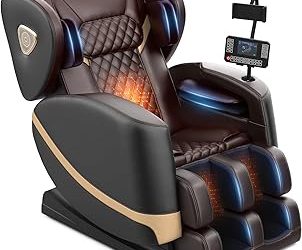
FURNIMAT Zero Gravity Recliner (2026 Version)
The fourteen-roller shiatsu array is unusually thorough for this price band, and the combination of full-body heat and foot massage makes it one of the better pre-bed options here. The Bluetooth speaker sounds like a gimmick until you pair it with a breathing track and realize how much easier a ten-minute wind-down becomes when the audio and the pressure are synchronized.
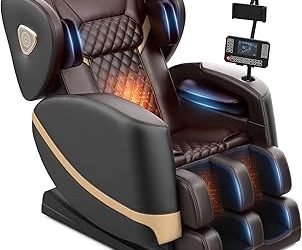
TLIFE 160° Zero Gravity SL-Track
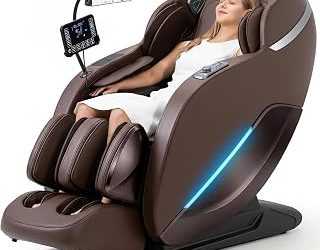
My pick for older users and anyone nervous about setup: it arrives assembled, the body scan calibrates roller height sensibly, and the lumbar and calf heat is genuinely warm rather than tepid. Six massage techniques across twelve modes gives enough range to find something restorative without overworking sensitive tissue.
4D Extended SL-Track with AI Voice
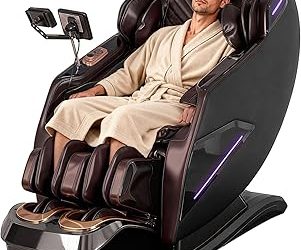
The 53.5-inch track and 4D roller depth control put this closer to showroom-grade mechanics than most sub-$2,000 chairs manage, and the yoga stretch sequence is legitimately useful for hip flexors after a sedentary day. Voice control sounds trivial but earns its place when you’re already reclined, warm, and disinclined to open your eyes.
4D 55″ SL-Track with 40 Airbags and App Control
The longest track in this roundup, with airbag coverage extensive enough to create the compressive, held sensation that many people find more calming than kneading. Fifteen auto modes and app-based customization make it the strongest choice if two or more people with different tolerances will share the chair.
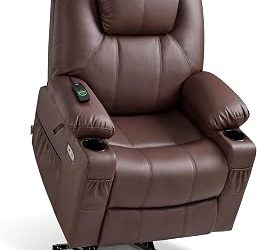
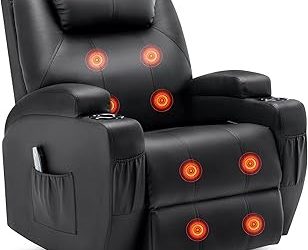
20 Auto Mode Shiatsu Recliner with USB Charging
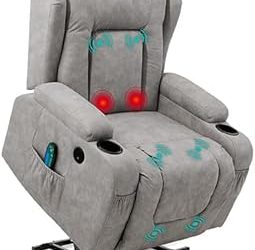
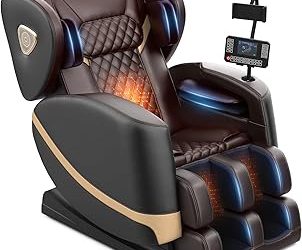
A sensible value option: broad program library, full-body heat, and thoughtful conveniences like the USB port and touchscreen controller. Roller depth is less nuanced than the 4D models, but for light nightly maintenance rather than deep therapeutic work, that’s an acceptable trade.
Frequently Asked Questions
How long before bed should I use a massage chair?
Aim for 30 to 60 minutes before lights out, using a low-intensity program for 10 to 15 minutes. That window lets core temperature drop and muscle tone settle; an intense session immediately before bed can be mildly arousing rather than sedating.
Can a massage chair actually help chronic back pain?
It can meaningfully reduce muscular tension and improve short-term comfort, which often translates to fewer night wakings. It is not a treatment for disc pathology, stenosis, or radiculopathy — clear those with a clinician before regular use.
Is 4D worth paying more for?
4D adds adjustable roller protrusion, meaning you control depth as well as speed and position. If you find most chairs either too shallow or too aggressive, yes; if you mainly want gentle relaxation, a well-built 3D SL-track chair is sufficient.
Are these chairs quiet enough for a bedroom?
Most sit in the 45–55 dB range — comparable to a refrigerator. That’s fine for personal use, but if a partner is asleep in the same room, plan on using the chair elsewhere.
Final Thoughts
If sleep quality is your primary motivation, the TLIFE 160° SL-Track is the easiest recommendation: warm, assembled, forgiving, and calibrated for gentle nightly use. Those wanting more therapeutic depth should stretch toward the 4D 55″ SL-Track for its coverage and app-level customization, or the extended 4D model with yoga stretch if hip and hamstring tightness is what keeps you shifting at night. All three deliver the wind-down ritual that makes a chair worth its footprint — and a consistent ritual, more than any single feature, is what actually improves sleep.